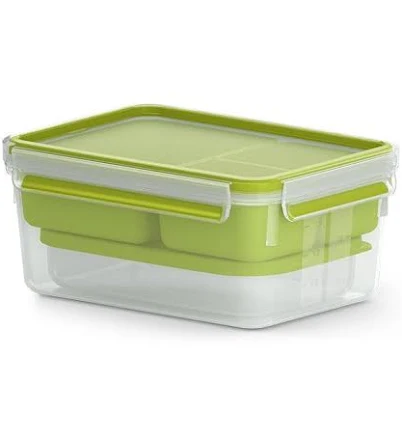
Emsa Clip & Go XL Lunch container Green,transparent 2.3 L 1 pc
Lower concern. PP food containers rarely contain intentional PFAS.
Emsa Clip & Go is a polypropylene lunch container with no disclosed PFAS treatment. PP food storage has lower PFAS risk than coated cookware or treated textiles, though no lab testing was found.
We flunk more products than we pass. This one earned its grade. How we grade
Material
polypropylene (PP) food container, transparent plastic lid
Brand disclosure
Brand is silent on PFAS
Lab data
No public lab test
You may also be interested in
Top-graded picks in the categories readers replace first, every one scored on the same rubric.

- polypropylene filter housing, carbon/sediment cartridge
- We found no PFAS statement from the brand
- Bacterial growth in spent cartridges
3 hazards checked on this product, all on its full breakdown.

Aquasure
Premier Series 75 GPD Under Sink Reverse Osmosis Water Filtration System
- RO membrane, carbon filters, stainless steel housing
- We found no PFAS statement from the brand
- Bacterial and microbial growth in housing and filters
4 hazards checked on this product, all on its full breakdown.

Avocado
Vegan Mattress
- organic cotton, natural latex, coconut coir, recycled steel coils
- The brand calls it PFAS-free, which we have not verified
- Heavy metals
2 hazards checked on this product, all on its full breakdown.
What Emsa Clip & Go XL Lunch Green,transparent is made of, ingredients and materials
This container is polypropylene (PP), a thermoplastic polymer marked with resin code 5. PP does not rely on plasticizers like BPA or phthalates to maintain flexibility, presenting lower concern for those specific hazards compared to polycarbonate or vinyl alternatives. The transparent lid is also PP or a compatible plastic. PP's melting point is around 130-180°C, so it tolerates hot foods briefly but can warp or leach small amounts of oligomers if repeatedly exposed to very hot liquids near boiling.
What’s concerning
Category baseline
The starting point for this type of product, before anything specific to this product is counted.
No PFAS disclosure
No public statement from the brand about PFAS in this product.
Oligomer and monomer leaching
PP can release small amounts of cyclic oligomers (non-regulated compounds) when exposed to prolonged heat, oils, or acidic foods. At normal cold-food and room-temperature storage, leaching is negligible and below any safety concern.
Microplastic shedding
Mechanical wear of the lid hinge and snap joints over years may release very small PP particles. Risk is low with careful handling and replacement every few years; hot-water washing accelerates wear.
What’s reassuring
Base material not linked to PFAS
The main material recorded for this product is not one associated with PFAS.
BPA & bisphenols
PP does not contain BPA, BPS, or phthalate plasticizers by chemistry. This is a primary safety advantage of PP over polycarbonate and PVC alternatives.
Source, FDA ↗Coating degradation or additives in lid
The transparent lid is likely unfilled PP or a compatible polymer without additional coatings. No established hazards specific to Emsa's lid formulation are on public record.
Heavy metals
Food-grade PP is not colored with toxic pigments in standard manufacture. The transparent and green colorant (likely organic or iron oxide based) are not known sources of cadmium, lead, or antimony in this product category.
Source, FDA ↗How is this PFAS grade calculated?
The brand's record and disclosure
Emsa is a German housewares manufacturer owned by Groupe SEB, with a long history in food storage and kitchen products. The company does not maintain a public PFAS disclosure policy specific to food containers, and no major recalls or safety controversies linked to leaching or contamination are on record for Clip & Go lines. Emsa containers are widely sold in Europe and North America with standard food-contact compliance (FDA, EU regulations), but the brand does not advertise third-party testing results for migration or composition.
How it compares in its category
PP food containers like this are considered mid-range in safety profile. PP presents lower concern for BPA risk than polycarbonate and lower concern for phthalate and vinyl chloride risks than PVC, though glass and stainless steel have no hazard of these kinds on record. Compared to other plastic lunch boxes, the Clip & Go XL's simple snap-lock design and large volume make it practical, and PP's rigidity means less need for reinforcing additives. Transparent PP also avoids the opacifying agents sometimes used in opaque plastic formulations.
If you buy it
Avoid microwaving food in this container; transfer contents to glass or ceramic if heating is needed, as prolonged heat can cause minor leaching of cyclic oligomers (non-toxic at low levels but best minimized). Hand wash in cool water; dishwasher use is acceptable but may accelerate wear of hinges and seals over years. Store dry food and cold items preferentially. Replace the container if the plastic becomes cloudy, cracked, or the lid seal degrades, typically after 2-3 years of regular use, as aged PP becomes more brittle and may lose food-contact integrity.
What is not known about PFAS in this product?
- Basis
- Model estimate, 72% confidence, not a lab result
- Lab test
- None on record for this exact product
- Brand statement
- Emsa has made none
Formulations change between production runs, so check the current label. How we grade.
What are the PFAS-free alternatives to Emsa Clip & Go XL Lunch container Green,transparent 2.3 L 1 pc?
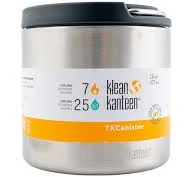
Klean Kanteen
Double Wall Vacuum Insulated Stainless Steel Food Canister Container with Leak Proof Lid
- Stainless steel body, silicone gasket lid seal
- The brand calls it PFAS-free, which we have not verified
- Silicone gasket degradation
3 hazards checked on this product, all on its full breakdown.
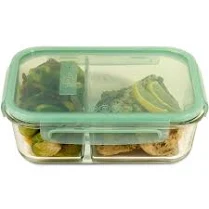
- borosilicate glass
- We found no PFAS statement from the brand
- Leaching from glass matrix or lid seals
2 hazards checked on this product, all on its full breakdown.
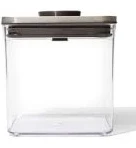
- Stainless steel container, no surface treatment
- Lid/gasket polymer leaching
3 hazards checked on this product, all on its full breakdown.
More lunch boxes grades
How we score, every product runs through the same public 0-100 rubric based on materials, coatings, brand disclosure, lab findings, and recalls. See the full methodology → Spotted a mistake? Report an error.