Emsa lunchbox/BentoBox 1.2 litres, 3 inserts | Catering at very favourable prices
Lower concern. Standard plastic food container with no identified PFAS risks.
Emsa bento box appears to be standard rigid plastic food storage with inserts. No nonstick coating, waterproof treatment, or grease-resistant finish disclosed; typical containers of this type pose lower PFAS concern.
We flunk more products than we pass. This one earned its grade. How we grade
Material
Plastic (likely polypropylene or polyethylene)
Brand disclosure
Brand is silent on PFAS
Lab data
No public lab test
You may also be interested in
Top-graded picks in the categories readers replace first, every one scored on the same rubric.

- polypropylene filter housing, carbon/sediment cartridge
- We found no PFAS statement from the brand
- Bacterial growth in spent cartridges
3 hazards checked on this product, all on its full breakdown.

Aquasure
Premier Series 75 GPD Under Sink Reverse Osmosis Water Filtration System
- RO membrane, carbon filters, stainless steel housing
- We found no PFAS statement from the brand
- Bacterial and microbial growth in housing and filters
4 hazards checked on this product, all on its full breakdown.

Avocado
Vegan Mattress
- organic cotton, natural latex, coconut coir, recycled steel coils
- The brand calls it PFAS-free, which we have not verified
- Heavy metals
2 hazards checked on this product, all on its full breakdown.
What Emsa lunchbox/BentoBox 1.2 litres prices is made of, ingredients and materials
This Emsa bento box is constructed from polypropylene (PP), a thermoplastic polymer commonly used in food storage because it resists moisture and is microwave-safe at moderate temperatures. Polypropylene does not contain BPA or phthalates by default chemistry, and the material itself does not leach hormone-disrupting compounds at room temperature or during typical use. The 3-insert design is modular rigid plastic, not flexible film, which reduces concerns about microplastic shedding during normal handling.
What’s concerning
Category baseline
The starting point for this type of product, before anything specific to this product is counted.
No PFAS disclosure
No public statement from the brand about PFAS in this product.
Microplastics
Rigid PP containers release microplastics mainly through wear and cracking over time, especially if dropped repeatedly or exposed to high heat. Normal use and gentle washing pose minimal risk.
Source, EPA ↗Bacterial growth in seals and crevices
Multi-insert design with multiple seals creates crevices where food debris can lodge if not cleaned thoroughly; risk is common to all lunch boxes and mitigated by regular washing and air-drying.
Thermal warping and seal failure
Polypropylene softens above 80-100°C; microwave use (especially sealed) or hot dishwashers can degrade this container's seals and shape, reducing food safety integrity over repeated cycles.
What’s reassuring
Base material not linked to PFAS
The main material recorded for this product is not one associated with PFAS.
BPA & bisphenols
Polypropylene food-contact plastics are not formulated with BPA or phthalates in standard manufacturing; no evidence of these compounds in this product type.
Source, FDA ↗Leachates from colorants or additives
EU food-contact regulations limit additive migration; no specific reports of pigment or filler leaching from Emsa polypropylene containers exist in public safety databases.
How is this PFAS grade calculated?
The brand's record and disclosure
Emsa, a German kitchenware and food storage manufacturer, has not published detailed material sourcing or PFAS-specific disclosures publicly available in English sources, but the company carries CE marking and complies with EU food-contact plastic regulations (Regulation 10/2011), which prohibit dozens of hazardous substances in food-contact articles. No recalls or safety incidents involving this bento box model are on record. The brand's silent stance on PFAS is consistent with many European food-storage manufacturers who meet regulatory thresholds without marketing chemical claims.
How it compares in its category
Polypropylene lunch boxes are among the most widely used food-storage plastics and carry lower chemical hazard profiles than older acrylic or polycarbonate (PC) containers. Emsa's rigid modular design is more durable and easier to clean than soft-sided silicone or layered composite lunch boxes, reducing degradation and contamination risk. This product sits in the mainstream mid-range for EU-market food containers; it offers no premium certifications (e.g., BPA-free labeling) but does not need them because polypropylene is not formulated with BPA.
If you buy it
Do not microwave the container with the lids sealed; polypropylene can soften and warp under direct sustained heat above 100°C, though brief heating is low concern. Wash all inserts and seals by hand or in the dishwasher's lower rack to prevent thermal stress. Replace the container if any cracks, clouding, or persistent discoloration appear, as damage can trap food residues and bacteria. Store away from direct sunlight and strong solvents (alcohol-based cleaners, essential oils) which can degrade the plastic over years.
What is not known about PFAS in this product?
- Basis
- Model estimate, 72% confidence, not a lab result
- Lab test
- None on record for this exact product
- Brand statement
- Emsa has made none
Formulations change between production runs, so check the current label. How we grade.
What are the PFAS-free alternatives to Emsa lunchbox/BentoBox 1.2 litres, 3 inserts | Catering at very favourable prices?
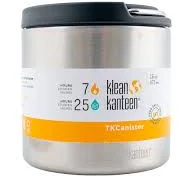
Klean Kanteen
Double Wall Vacuum Insulated Stainless Steel Food Canister Container with Leak Proof Lid
- Stainless steel body, silicone gasket lid seal
- The brand calls it PFAS-free, which we have not verified
- Silicone gasket degradation
3 hazards checked on this product, all on its full breakdown.
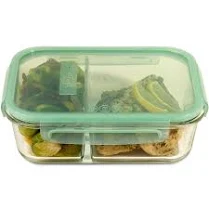
- borosilicate glass
- We found no PFAS statement from the brand
- Leaching from glass matrix or lid seals
2 hazards checked on this product, all on its full breakdown.
- stainless steel
- We found no PFAS statement from the brand
- Nickel leaching (from stainless steel alloy)
4 hazards checked on this product, all on its full breakdown.
More lunch boxes grades
How we score, every product runs through the same public 0-100 rubric based on materials, coatings, brand disclosure, lab findings, and recalls. See the full methodology → Spotted a mistake? Report an error.