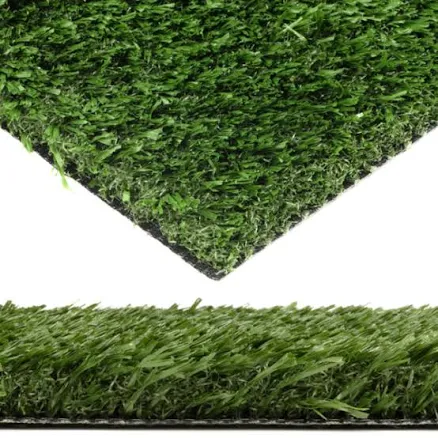
Artificial Sports Field Turf
Wait for FieldTurf to disclose coating details; artificial turf often contains PFAS water repellents.
FieldTurf's synthetic fiber sports turf features unknown protective coatings and no public PFAS disclosure. Research shows PFAS in some artificial turf products, leaving safety unconfirmed without independent testing.
The better-graded swap
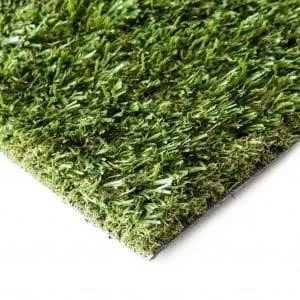
Artificial Landscaping Turf Artificial Turf, Synthetic Grass for Landscaping, Garden, Yards, Fields
75/100 safety
Same rubric that flunked this product. The swap earned Excellent.
Still want this one anyway? Check the price on Amazon. We’d swap it.
Material
Polyethylene/polypropylene fibers with proprietary coatings; infill (typically crumb rubber or sand)
Brand disclosure
Brand is silent on PFAS
Lab data
No public lab test
You may also be interested in
Top-graded picks in the categories readers replace first, every one scored on the same rubric.

- polypropylene filter housing, carbon/sediment cartridge
- We found no PFAS statement from the brand
- Bacterial growth in spent cartridges
3 hazards checked on this product, all on its full breakdown.

Aquasure
Premier Series 75 GPD Under Sink Reverse Osmosis Water Filtration System
- RO membrane, carbon filters, stainless steel housing
- We found no PFAS statement from the brand
- Bacterial and microbial growth in housing and filters
4 hazards checked on this product, all on its full breakdown.

Avocado
Vegan Mattress
- organic cotton, natural latex, coconut coir, recycled steel coils
- The brand calls it PFAS-free, which we have not verified
- Heavy metals
2 hazards checked on this product, all on its full breakdown.
What Artificial Sports Field Turf is made of, ingredients and materials
FieldTurf turf uses polyethylene or polypropylene fibers (plastic strands mimicking grass) with proprietary surface coatings designed to improve durability and water drainage. The infill beneath the fibers is typically recycled crumb rubber (from shredded tires) or silica sand, which anchors the turf and provides cushioning. The coating chemistry is the critical unknown here, water-repellent finishes on synthetic turf often contain PFAS compounds to resist rain and maintain performance, but FieldTurf has not publicly disclosed whether their coatings include these chemicals.
What’s concerning
Category baseline
The starting point for this type of product, before anything specific to this product is counted.
No PFAS disclosure
No public statement from the brand about PFAS in this product.
Waterproof / stain-resistant treatment
Water-repellent coating treatments have historically used PFAS.
Crumb rubber infill - zinc and PAH leaching
Recycled tire crumb commonly used as infill contains zinc compounds and polycyclic aromatic hydrocarbons (PAHs) that can leach into soil and groundwater during rain. FieldTurf does not specify infill composition in public materials; if crumb rubber is used, this is a significant long-term environmental and potentially health concern for players with skin contact.
Proprietary coating composition unknown
FieldTurf's coatings are proprietary and undisclosed. Industry-wide, artificial turf coatings frequently contain PFAS (fluorinated water repellents) or other volatile organics; without third-party verification, chemical safety cannot be confirmed at installation or over time.
Polymer fiber degradation and microplastic shedding
Polyethylene and polypropylene fibers degrade under UV exposure, mechanical wear (foot traffic, abrasion), and temperature stress. Fragmented plastic particles can accumulate in soil and potentially be inhaled or ingested; no field-specific data for FieldTurf exists, but this is a known risk in synthetic turf systems generally, especially in high-use sports settings.
Heat release and off-gassing during and after installation
Synthetic turf systems can off-gas volatile organic compounds (VOCs), particularly during hot weather or initial curing. FieldTurf's proprietary coatings may contribute to this; adequate ventilation during and shortly after installation is important to minimize inhalation exposure.
Heavy metals
Crumb rubber infill can contain cadmium, lead, and other heavy metals from tire manufacturing and additives. FieldTurf does not publicly specify infill metal content; if sand infill is used instead, this hazard is largely avoided, so confirmation of infill type is essential.
Source, FDA ↗How is this PFAS grade calculated?
The brand's record and disclosure
FieldTurf is a leading artificial turf manufacturer owned by Tarkett, a global flooring company. The brand has not published safety data sheets or public statements addressing PFAS content in their coatings, nor have they obtained third-party certifications (such as GOTS or similar) that would verify absence of fluorinated compounds. No major recalls specific to chemical hazards have been documented, but the lack of transparency on coating composition is a red flag in an industry where PFAS use is common and increasingly questioned.
How it compares in its category
Most artificial turf brands face the same PFAS disclosure gap; FieldTurf is neither notably worse nor better than competitors like AstroTurf or TigerTurf in this regard. Some newer entrants (e.g., smaller eco-focused brands) have begun publishing PFAS-free certifications, making FieldTurf's silence a relative weakness. In terms of infill safety, crumb rubber infill carries well-documented zinc and PAH concerns; sand infill presents lower concern but less cushioning for sports.
If you buy it
Request a safety data sheet or coating specification from FieldTurf before installation; if they refuse or provide vague language, that is a warning sign. After installation, maintain proper drainage and inspect infill annually for compaction or degradation, which can concentrate contaminants. Heat management is important for sports surfaces, avoid high-temperature activities that could degrade polymer fibers and release volatile compounds, and replace infill every 7-10 years or when it becomes visibly contaminated or depleted. Ensure adequate ventilation around the field, especially during initial installation when off-gassing may occur.
What is not known about PFAS in this product?
- Basis
- Model estimate, 45% confidence, not a lab result
- Lab test
- None on record for this exact product
- Brand statement
- FieldTurf has made none
Formulations change between production runs, so check the current label. How we grade.
What are the PFAS-free alternatives to Artificial Sports Field Turf?
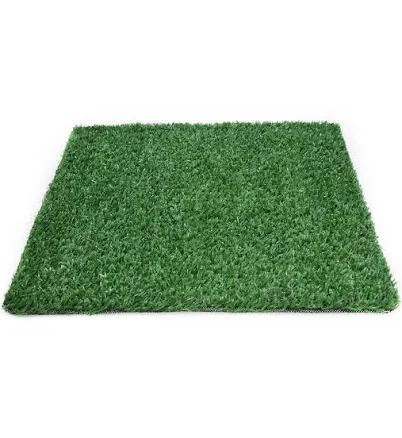
- Polypropylene (PP) astroturf
- We found no PFAS statement from the brand
- VOC off-gassing from polyurethane or latex adhesive
5 hazards checked on this product, all on its full breakdown.
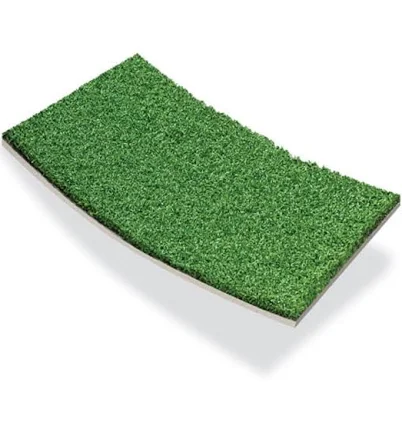
34 Oz Padded Gym Artificial Turf
- polyethylene turf fibers, polypropylene backing
- We found no PFAS statement from the brand
- VOC off-gassing from polyethylene and polypropylene
4 hazards checked on this product, all on its full breakdown.
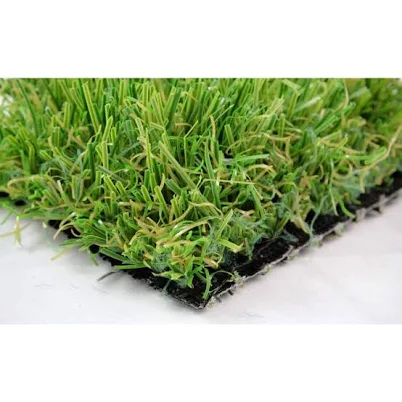
- polyethylene/polypropylene synthetic grass fibers with backing
- We found no PFAS statement from the brand
- Flame retardants
4 hazards checked on this product, all on its full breakdown.
Find an alternative on AmazonMore artificial turf grades
How we score, every product runs through the same public 0-100 rubric based on materials, coatings, brand disclosure, lab findings, and recalls. See the full methodology → Spotted a mistake? Report an error.