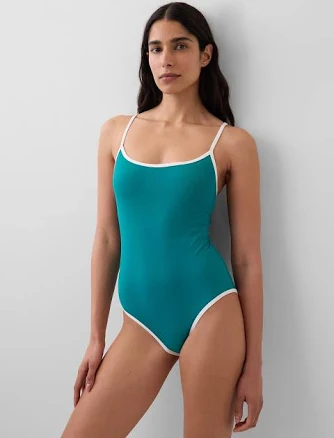
Gap Women's Scoop Neck Swimsuit
Lower concern for basic swimsuit, but Gap discloses no PFAS practices.
Standard polyamide and elastane construction without disclosed water-repellent coatings, posing lower PFAS risk than treated performance fabrics. Gap provides no public PFAS information or testing data.
The better-graded swap
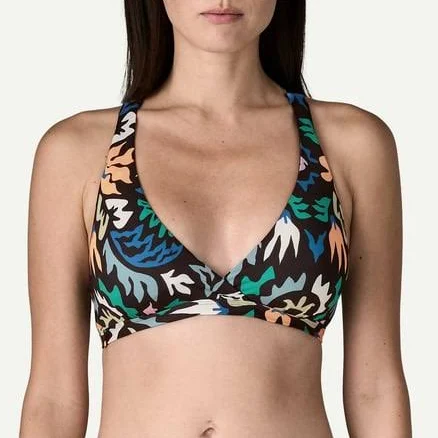
Patagonia
Patagonia Women's Bottom Turn Racerback Bikini Top
90/100 safety
Same rubric that flunked this product. The swap earned Excellent.
Still want this one anyway? Check the price on Amazon. We’d swap it.
Material
Polyamide/nylon (primary); likely elastane/spandex blend for fit
Brand disclosure
Brand is silent on PFAS
Lab data
No public lab test
What Gap Women's Scoop Neck Swimsuit is made of, ingredients and materials
This swimsuit is primarily polyamide (nylon) with elastane (spandex) blended in for stretch and recovery. Nylon itself is a synthetic polymer stable under normal wear conditions and does not leach regulated chemicals like BPA or phthalates during use. The elastane component is a polyurethane-based fiber that adds durability and comfort but has no established hazard profile for swimwear applications. The dye set and any finish applied during manufacturing are the main chemical exposure points, not the base fibers.
What’s concerning
Category baseline
The starting point for this type of product, before anything specific to this product is counted.
No PFAS disclosure
No public statement from the brand about PFAS in this product.
Azo dyes and synthetic dye allergens
Polyamide swimwear typically uses acid dyes and reactive dyes in manufacturing. No specific recall or adverse event data exists for this Gap product, but some users with sensitive skin may react to residual dyes; pre-wash mitigates this risk.
Elastane degradation and microfiber shedding
Spandex/elastane in swimwear gradually breaks down with chlorine exposure and UV light, potentially releasing microfibers into water. This is a known phenomenon in all polyamide-elastane swimwear, not specific to Gap; care (cold rinse, shade dry) reduces rate.
Formaldehyde / VOCs
Some swimwear manufacturers use formaldehyde-releasing resins as durable-press or antimicrobial finishes. Gap discloses no finish specifications; standard nylon swimwear at this price point may include such treatments. Pre-laundering removes most residual formaldehyde.
Source, ATSDR ↗Contact dermatitis from residual chemicals
Unwashed swimwear can cause irritation in users with sensitive skin due to dyes, finishes, or sizing agents. This is a general swimwear issue, not brand-specific; always pre-wash.
What’s reassuring
Base material not linked to PFAS
The main material recorded for this product is not one associated with PFAS.
Heavy metals
Synthetic dyes used in polyamide are regulated under EU and US textile standards to limit lead, cadmium, and chromium. No specific contamination has been reported for Gap swimwear; regulatory compliance is standard in this category.
Source, FDA ↗The full breakdown
The brand's record and disclosure
Gap Inc. has made no public commitments regarding PFAS disclosure or phase-out in swimwear, placing it in the middle range of brand transparency on this issue. The company has faced criticism from environmental groups for overall chemical management but has not faced product-specific safety recalls for this garment type in public records. Gap holds no major chemical certifications (such as Bluesign or GOTS) specific to swimwear, though the brand does operate basic compliance with US and EU textile regulations.
How it compares in its category
Polyamide swimwear is standard across mid-market brands (Gap, Target, Old Navy level) and carries similar chemical and durability profiles. Premium brands (Speedo, Lands' End) often emphasize proprietary finishes or recycled nylon, while eco-focused competitors (Patagonia, MATE) disclose PFAS practices explicitly. Gap's silent stance on PFAS is typical of mass-market apparel but less transparent than leaders in sustainable swimwear; the actual safety risk from this swimsuit is not meaningfully different from comparable polyamide suits.
If you buy it
Launder the suit in cold water before first wear to remove residual dyes and finishes applied during manufacturing. Rinse thoroughly after each use in fresh water to extend lifespan and reduce chlorine or salt buildup. Lay flat or hang to dry; avoid prolonged heat (tumble dryers, direct sun) which can degrade elastane faster. Replace when elastic loses recovery or seams show wear, typically after 50-80 wears depending on care.
What we don’t know
- Basis
- Model estimate, 72% confidence, not a lab result
- Lab test
- None on record for this exact product
- Brand statement
- Gap has made none
Formulations change between production runs, so check the current label. How we grade.
Better-graded alternatives in Swimwear
Patagonia
Women's Bottom Turn Racerback Bikini Top
- Nylon/polyester blend with elastane (standard swimwear)
- The brand calls it PFAS-free, which we have not verified
- Elastane (spandex) degradation under heat or chlorine
More swimwear grades
How we score, every product runs through the same public 0-100 rubric based on materials, coatings, brand disclosure, lab findings, and recalls. See the full methodology → Spotted a mistake? Report an error.