
Rapha Men's Pro Team GORE-TEX Cycling Rain Jacket
GORE-TEX contains Teflon-type coating; Gore makes no PFAS disclosure for this jacket.
GORE-TEX waterproof membranes rely on Teflon-type coating, a Teflon-family coating with PFAS concerns. Gore provides no public PFAS transparency or commitment for this product line.
Still want this one anyway? Check the price on Amazon. We’d swap it.
Material
GORE-TEX polytetrafluoroethylene membrane with water-repellent coating finish
Brand disclosure
Brand is silent on PFAS
Lab data
No public lab test
You may also be interested in
Top-graded picks in the categories readers replace first, every one scored on the same rubric.

- polypropylene filter housing, carbon/sediment cartridge
- We found no PFAS statement from the brand
- Bacterial growth in spent cartridges
3 hazards checked on this product, all on its full breakdown.

Aquasure
Premier Series 75 GPD Under Sink Reverse Osmosis Water Filtration System
- RO membrane, carbon filters, stainless steel housing
- We found no PFAS statement from the brand
- Bacterial and microbial growth in housing and filters
4 hazards checked on this product, all on its full breakdown.

Avocado
Vegan Mattress
- organic cotton, natural latex, coconut coir, recycled steel coils
- The brand calls it PFAS-free, which we have not verified
- Heavy metals
2 hazards checked on this product, all on its full breakdown.
What Rapha Men's Pro Team GORE-TEX Rain Jacket is made of, ingredients and materials
This jacket uses GORE-TEX, a microporous Teflon-type coating (polytetrafluoroethylene) membrane bonded to polyester outer shell and fleece lining. The membrane's water-blocking properties depend on Teflon-type coating chemistry, which inherently involves fluorinated compounds (PFAS). The water-repellent coating (water-repellent coating) finish on the outer fabric typically contains additional fluorocarbons to shed liquid and resist staining, compounding PFAS exposure pathways during manufacturing and disposal.
What’s concerning
Waterproof / stain-resistant treatment
Water-repellent coating treatments have historically used PFAS.
Category baseline
The starting point for this type of product, before anything specific to this product is counted.
No PFAS disclosure
No public statement from the brand about PFAS in this product.
Teflon-type coating membrane integrity and environmental release
GORE-TEX membranes shed Teflon-type coating microparticles during wear, washing, and weathering. While inhalation risk during normal use is low, cumulative microparticle shedding during laundry and eventual disposal poses aquatic and soil contamination concerns that Gore does not quantify or mitigate publicly.
Fluorocarbon water-repellent coating finish durability and reapplication toxicity
The outer-layer water-repellent coating finish degrades over 2-5 years and requires professional reapplication with commercial fluorocarbon sprays, which involve solvent inhalation and secondary PFAS exposure in consumer hands or dry-cleaning facilities. water-repellent coating alternatives not linked to PFAS are not widely available for high-performance cycling.
Polyester degradation and synthetic fiber shedding
The polyester shell and fleece lining shed microplastics during washing and normal wear. This is a minor concern relative to Teflon-type coating, but tumble drying accelerates degradation; air-drying reduces microfiber release by approximately 50% per peer-reviewed laundry studies.
What’s reassuring
Heavy metals
No recalls or public testing data associate Rapha or Gore with banned azo dyes or heavy-metal contamination in their polyester components. Rapha's supply chain is not independently certified (e.g., STANDARD 100 by OEKO-TEX) for this product line.
Source, FDA ↗Formaldehyde / VOCs
Modern GORE-TEX production does not rely on formaldehyde-resin finishes, though no publicly available documentation confirms formaldehyde-free certification for this specific Rapha model.
Source, ATSDR ↗How is this PFAS grade calculated?
The brand's record and disclosure
Gore maintains no published disclosure policy on PFAS content in GORE-TEX products or water-repellent coating treatments. The company has not signed the ZDHC Gateway commitment or similar PFAS restriction agreements. Gore's technical marketing emphasizes durability and water resistance but is silent on chemical composition details or fluorine-free alternatives for cyclists. This opacity is a known industry pattern for membrane-technology leaders.
How it compares in its category
GORE-TEX jackets command premium prices partly because the Teflon-type coating membrane remains the most breathable waterproof option available at this performance level. Most competing cycling rain jackets use similar fluorocarbon-based membranes (eVent, Helly Tech, etc.) or cheaper polyurethane coatings, which avoid PFAS but sacrifice breathability. Waxed-cotton or microfiber alternatives exist but offer lower packability and durability typical of pro racing gear.
If you buy it
Wash separately in cold water with minimal detergent to reduce PFAS mobilization; avoid hot water and tumble drying, which can accelerate polymer breakdown. Inspect seams and coatings annually for delamination or peeling; replace once water beads stop forming reliably or seams leak, typically after 2-5 years of heavy use. Do not incinerate at end-of-life; check local textile recycling programs that handle technical fabrics separately from general waste.
What is not known about PFAS in this product?
- Basis
- Model estimate, 45% confidence, not a lab result
- Lab test
- None on record for this exact product
- Brand statement
- Gore has made none
Formulations change between production runs, so check the current label. How we grade.
What are the PFAS-free alternatives to Rapha Men's Pro Team GORE-TEX Cycling Rain Jacket?
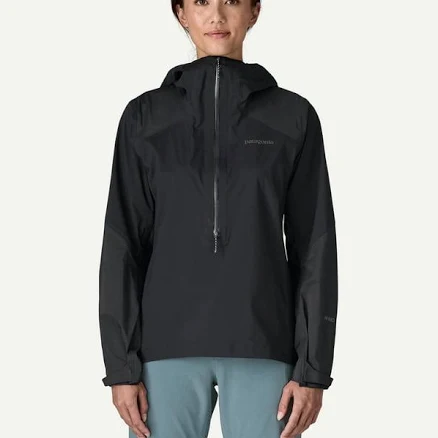
- polyester shell with water-repellent coating finish
- The brand calls it PFAS-free, which we have not verified
- Azo dyes and color fastness
4 hazards checked on this product, all on its full breakdown.
Find an alternative on Amazon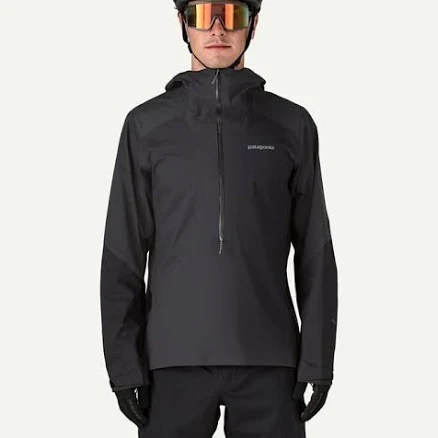
- nylon/polyester with water-repellent coating water treatment
- The brand calls it PFAS-free, which we have not verified
- PFAS
3 hazards checked on this product, all on its full breakdown.
Find an alternative on Amazon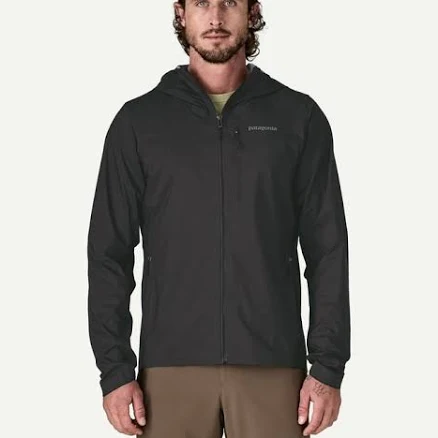
- Nylon with water-repellent coating water-repellent coating finish
- The brand calls it PFAS-free, which we have not verified
- water-repellent coating chemistry opacity (fluorinated vs. non-fluorinated)
3 hazards checked on this product, all on its full breakdown.
Find an alternative on AmazonMore cycling rain jackets grades
How we score, every product runs through the same public 0-100 rubric based on materials, coatings, brand disclosure, lab findings, and recalls. See the full methodology → Spotted a mistake? Report an error.