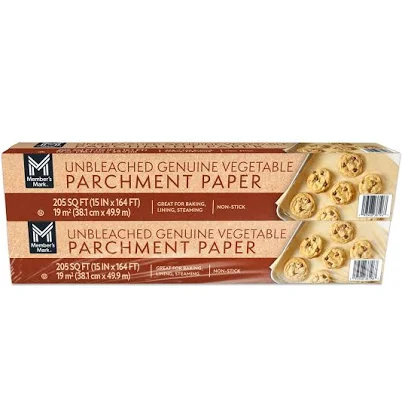
Unbleached Parchment · Fast Food Wrappers
Member's Mark Unbleached Parchment Paper 205 sq. ft. 2 pk.
Avoid unless the manufacturer discloses coating chemistry, as parchment paper routinely uses PFAS.
Member's Mark parchment paper lacks public disclosure of its water and grease-resistant coating composition. Parchment paper commonly uses PFAS for non-stick and barrier properties, and without certification or PFAS-free claims, coating source remains unknown.
The better-graded swap
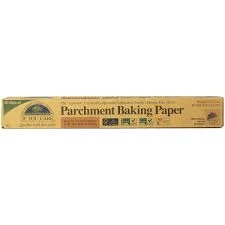
If You Care
If You Care Parchment Baking Paper
90/100 safety
Same rubric that flunked this product. The swap earned Excellent.
Still want this one anyway? Check the price on Amazon. We’d swap it.
Material
Cellulose paper with undisclosed water/grease-resistant coating
Brand disclosure
Brand is silent on PFAS
Lab data
No public lab test
You may also be interested in
Top-graded picks in the categories readers replace first, every one scored on the same rubric.

- polypropylene filter housing, carbon/sediment cartridge
- We found no PFAS statement from the brand
- Bacterial growth in spent cartridges
3 hazards checked on this product, all on its full breakdown.

Aquasure
Premier Series 75 GPD Under Sink Reverse Osmosis Water Filtration System
- RO membrane, carbon filters, stainless steel housing
- We found no PFAS statement from the brand
- Bacterial and microbial growth in housing and filters
4 hazards checked on this product, all on its full breakdown.

Avocado
Vegan Mattress
- organic cotton, natural latex, coconut coir, recycled steel coils
- The brand calls it PFAS-free, which we have not verified
- Heavy metals
2 hazards checked on this product, all on its full breakdown.
What Member's Mark Unbleached Parchment pk. is made of, ingredients and materials
Member's Mark unbleached parchment is cellulose paper treated with a water and grease-resistant coating whose composition is not publicly disclosed. Unbleached parchment avoids chlorine-based bleaching, reducing dioxin risk compared to white varieties. However, the non-stick and moisture barrier properties almost certainly derive from fluorinated compounds (PFAS) or silicone, neither of which the manufacturer acknowledges. This opacity is the core safety concern for food contact use.
What’s concerning
Category baseline
The starting point for this type of product, before anything specific to this product is counted.
No PFAS disclosure
No public statement from the brand about PFAS in this product.
Waterproof / stain-resistant treatment
Water-repellent coating treatments have historically used PFAS.
Coating leaching (undisclosed fluorinated or silicone compounds)
The water-and-grease-resistant coating on parchment paper is typically fluorinated polymer (PFAS family) or silicone. Member's Mark does not disclose which. Heat accelerates leaching; risk rises sharply above 400F but possible even at lower temperatures with fatty foods.
Thermal degradation of coating
Parchment paper coatings break down at 420-450F. Exposure above this threshold may produce volatile degradation byproducts or visible coating fragments in food. No brand-specific data on this product's thermal stability is published.
Microplastics
Repeated use, mechanical friction, and moisture exposure can shed microscopic polymer particles from the coating into food or compost. Risk is small per use but cumulative with high-frequency application over months.
Source, EPA ↗Mold or bacterial growth if stored damp
Cellulose is hygroscopic and can support mold if stored in high humidity or exposed to moisture. Proper dry storage mitigates this risk.
What’s reassuring
Chlorine residues (minimal, due to unbleached claim)
Unbleached parchment avoids hypochlorite bleaching, so dioxin and residual chlorine are not expected. This is a genuine advantage over white parchment paper.
How is this PFAS grade calculated?
The brand's record and disclosure
Member's Mark (Costco's private label) has not published safety data sheets or coating composition for this product line. No independent recalls or safety actions specific to this parchment are on record. However, the industry-wide silence on parchment paper PFAS content reflects a gap in regulatory scrutiny rather than proof of safety. Costco does not market this item with food-safety certifications or third-party testing claims.
How it compares in its category
Parchment paper is inherently higher-risk than alternatives like silicone baking mats or uncoated kraft paper because the coating is essential to function, making you cannot avoid contact. Member's Mark's unbleached variant is a modest step up versus bleached parchment in reducing chemical processing, but the coating chemistry remains opaque. Ceramic-coated reusable alternatives and bare cast iron/stainless steel eliminate coating leach risk entirely but require different handling.
If you buy it
Keep use below 420F (parchment degrades at 420-450F and coating integrity becomes uncertain). Replace the roll if you notice darkening, brittleness, or flaking. Reserve it for low-to-moderate heat applications, baking cookies, roasting vegetables below 400F, wrapping sandwiches. For high-heat cooking (frying, broiling, or oven use above 420F), switch to silicone mats or bare pans. Store in a cool, dry place away from direct sunlight to slow coating breakdown.
What is not known about PFAS in this product?
- Basis
- Model estimate, 45% confidence, not a lab result
- Lab test
- None on record for this exact product
- Brand statement
- Unbleached Parchment has made none
Formulations change between production runs, so check the current label. How we grade.
What are the PFAS-free alternatives to Member's Mark Unbleached Parchment Paper 205 sq. ft. 2 pk.?
- silicone-coated parchment paper
- The brand calls it PFAS-free, which we have not verified
- Silicone coating degradation at extreme heat
2 hazards checked on this product, all on its full breakdown.
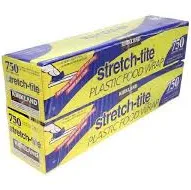
- Polyethylene (PE) film
- We found no PFAS statement from the brand
- Polyethylene film degradation under heat
2 hazards checked on this product, all on its full breakdown.
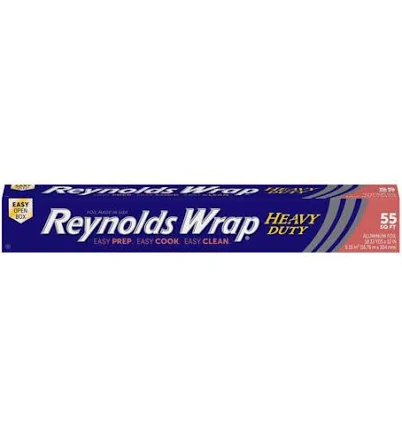
- Aluminum foil, uncoated
- Aluminum leaching (acidic/salt contact)
3 hazards checked on this product, all on its full breakdown.
More fast food wrappers grades
How we score, every product runs through the same public 0-100 rubric based on materials, coatings, brand disclosure, lab findings, and recalls. See the full methodology → Spotted a mistake? Report an error.