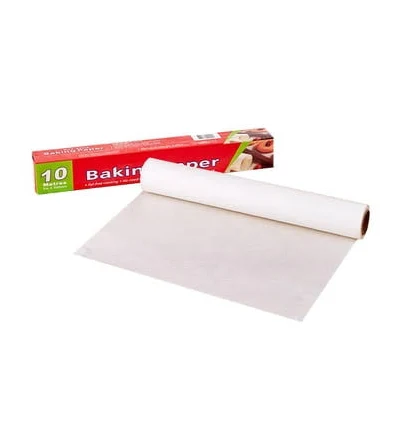
Unbleached Parchment · Fast Food Wrappers
Food Grade Greaseproof Paper Roll for Baking - Non-Stick Parchment Paper for Oven, Microwave, Air Fryer - Unbleached Parchment Baking Sheets for
Avoid unless coating is explicitly PFAS-free certified, as greaseproof coatings commonly contain PFAS.
This parchment paper claims to be unbleached but makes no disclosure about its grease-resistant coating, a red flag since traditional greaseproof papers often use fluorinated compounds. The brand offers no PFAS-free certification, lab testing, or third-party verification.
The better-graded swap
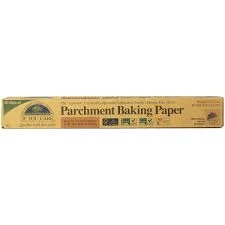
If You Care
If You Care Parchment Baking Paper
90/100 safety
Same rubric that flunked this product. The swap earned Excellent.
Still want this one anyway? Check the price on Amazon. We’d swap it.
Material
Cellulose-based parchment with undisclosed grease-resistant coating
Brand disclosure
Brand is silent on PFAS
Lab data
No public lab test
You may also be interested in
Top-graded picks in the categories readers replace first, every one scored on the same rubric.

- polypropylene filter housing, carbon/sediment cartridge
- We found no PFAS statement from the brand
- Bacterial growth in spent cartridges
3 hazards checked on this product, all on its full breakdown.

Aquasure
Premier Series 75 GPD Under Sink Reverse Osmosis Water Filtration System
- RO membrane, carbon filters, stainless steel housing
- We found no PFAS statement from the brand
- Bacterial and microbial growth in housing and filters
4 hazards checked on this product, all on its full breakdown.

Avocado
Vegan Mattress
- organic cotton, natural latex, coconut coir, recycled steel coils
- The brand calls it PFAS-free, which we have not verified
- Heavy metals
2 hazards checked on this product, all on its full breakdown.
What Food Grade Greaseproof Paper Baking Sheets is made of, ingredients and materials
This product is cellulose-based parchment (wood pulp) treated with a grease-resistant coating to repel oils and moisture during baking. The coating's chemical identity is not disclosed by the brand, which is the critical safety gap. Cellulose itself is food-safe and compostable, but the finishing layer determines whether this product leaches problematic substances when heated. Parchment differs from plastic wraps because it lacks inherent polymers, making it lower-risk for microplastic shedding, but the coating chemistry is what requires scrutiny.
What’s concerning
Category baseline
The starting point for this type of product, before anything specific to this product is counted.
Vague safety claims only
Uses vague language ("eco-friendly", "clean") without a specific PFAS statement.
Waterproof / stain-resistant treatment
Water-repellent coating treatments have historically used PFAS.
PFAS
Undisclosed coating raises substantial concern; fluorinated compounds are traditional in parchment manufacture for water and grease resistance. Without explicit PFAS-free certification or chemical transparency, assume risk is present.
Source, ATSDR ↗Coating degradation and leaching
Heat, acidic foods, and normal wear can cause the coating to break down over time. Degradation products entering food are not well-characterized for this brand's formulation, making long-term safety unclear.
Microplastic or fiber shedding
Cellulose fibers can shed into food if the paper is damaged, torn, or heavily used. Direct contact between food and torn edges should be avoided, particularly with fatty or moist foods.
What’s reassuring
Chlorine residues (bleached variant concern)
This product is marketed as unbleached, so chlorine bleaching should be absent. No published data links unbleached parchment to chlorine residue issues.
Formaldehyde / VOCs
No industry-standard formaldehyde use is typical in parchment manufacture. Cellulose is usually bonded with starch or mild adhesives, not formaldehyde resins common in textiles.
Source, ATSDR ↗How is this PFAS grade calculated?
The brand's record and disclosure
Unbleached Parchment provides no public certification, test reports, or explicit PFAS-free claims on available product information. The brand does not disclose the chemical identity of its grease-resistant coating, which is standard practice for many commodity parchment manufacturers but represents a transparency failure. No third-party certifications (e.g., NSF, FDA approval letters, or independent lab reports) are evident in public records for this specific product line. This silence is problematic because greaseproof coatings in the parchment industry have historically relied on fluorinated compounds.
How it compares in its category
Among parchment papers, unbleached variants carry a slight advantage over bleached versions because they skip chlorine treatment, reducing potential for chlorinated byproducts. However, unbleached does not address the coating question and is primarily a marketing term. Compared to silicone-coated baking papers or Teflon-coated alternatives, cellulose parchment presents lower structural concern if the coating is known, but this brand's silence puts it at parity with mid-market competitors that also withhold coating details. Greaseproof papers marketed as PFAS-free are increasingly available; their absence here is notable.
If you buy it
Do not exceed 420 degrees Fahrenheit; high heat can degrade coatings and increase leaching potential. Replace rolls every 6-12 months or after visible discoloration, brittleness, or grease saturation to avoid breakdown products transferring to food. Use primarily for baking, not prolonged microwave use or direct contact with acidic foods (citrus, tomato) which can weaken coating integrity. Before purchase, contact the brand directly and request a safety data sheet or written confirmation that the coating is PFAS-free; lack of response should trigger a skip decision.
What is not known about PFAS in this product?
- Basis
- Model estimate, 42% confidence, not a lab result
- Lab test
- None on record for this exact product
- Brand statement
- Unbleached Parchment has made none
Formulations change between production runs, so check the current label. How we grade.
What are the PFAS-free alternatives to Food Grade Greaseproof Paper Roll for Baking - Non-Stick Parchment Paper for Oven, Microwave, Air Fryer - Unbleached Parchment Baking Sheets for?
- silicone-coated parchment paper
- The brand calls it PFAS-free, which we have not verified
- Silicone coating degradation at extreme heat
2 hazards checked on this product, all on its full breakdown.
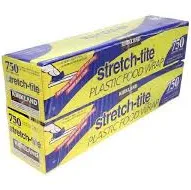
- Polyethylene (PE) film
- We found no PFAS statement from the brand
- Polyethylene film degradation under heat
2 hazards checked on this product, all on its full breakdown.
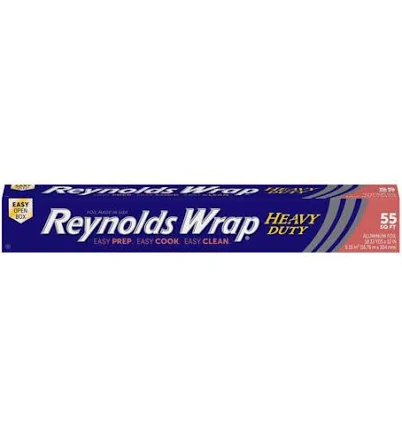
- Aluminum foil, uncoated
- Aluminum leaching (acidic/salt contact)
3 hazards checked on this product, all on its full breakdown.
More fast food wrappers grades
How we score, every product runs through the same public 0-100 rubric based on materials, coatings, brand disclosure, lab findings, and recalls. See the full methodology → Spotted a mistake? Report an error.