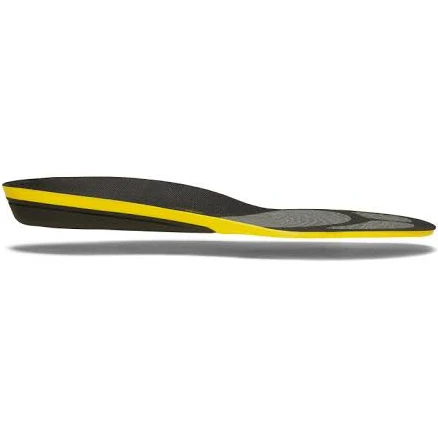
Keen · Synthetic Athletic Insoles & Orthotics
KEEN Men's Outdoor K-20 Plus Insole
Insole likely waterproofed; KEEN does not disclose PFAS status.
KEEN's K-20 Plus contains moisture-wicking and waterproof treatments common in performance insoles, which often rely on PFAS. The brand won't disclose whether these treatments are PFAS-free.
Still want this one anyway? Check the price on Amazon. We’d swap it.
Material
foam/gel insole with moisture-wicking treatment
Brand disclosure
Brand is silent on PFAS
Lab data
No public lab test
You may also be interested in
Top-graded picks in the categories readers replace first, every one scored on the same rubric.

- polypropylene filter housing, carbon/sediment cartridge
- We found no PFAS statement from the brand
- Bacterial growth in spent cartridges
3 hazards checked on this product, all on its full breakdown.

Aquasure
Premier Series 75 GPD Under Sink Reverse Osmosis Water Filtration System
- RO membrane, carbon filters, stainless steel housing
- We found no PFAS statement from the brand
- Bacterial and microbial growth in housing and filters
4 hazards checked on this product, all on its full breakdown.

Avocado
Vegan Mattress
- organic cotton, natural latex, coconut coir, recycled steel coils
- The brand calls it PFAS-free, which we have not verified
- Heavy metals
2 hazards checked on this product, all on its full breakdown.
What KEEN Men's Outdoor K-20 Plus Insole is made of, ingredients and materials
The K-20 Plus is a closed-cell foam or gel composite insole with a moisture-wicking fabric top layer. The 'Plus' designation and outdoor positioning suggest a water-resistant or water-repellent treatment applied to the foam or fabric, which commonly involves fluorinated compounds (PFAS) to repel sweat and rain. Keen does not publicly disclose the specific chemistry of their moisture-wicking treatment, leaving the exact formulation unknown. Foam insoles naturally degrade with compression and temperature cycling, releasing microparticles over time as the material breaks down.
What’s concerning
Category baseline
The starting point for this type of product, before anything specific to this product is counted.
No PFAS disclosure
No public statement from the brand about PFAS in this product.
Waterproof / stain-resistant treatment
Water-repellent coating treatments have historically used PFAS.
PFAS
Outdoor insoles with moisture-wicking claims are almost universally treated with fluorinated compounds. Keen does not disclose this; skin contact with treated insoles may result in PFAS uptake, though migration risk is low compared to food-contact items. See separate PFAS grade (20/100).
Source, ATSDR ↗Foam microparticles from degradation
Closed-cell foam breaks down under compression and heat cycling, releasing small particles that can be inhaled or absorbed through skin. Risk increases as insole ages; replacement every 6-12 months mitigates this significantly.
Allergic sensitization from treatment chemicals
Undisclosed water-resistant treatments and dye systems can trigger contact dermatitis in sensitive individuals. Test fit on clean, dry skin for 1-2 hours before all-day wear; discontinue if redness, itching, or swelling occurs.
What’s reassuring
Adhesives and glue residues
No reported issues with adhesives in Keen insoles, but multi-layer foam and fabric bonding typically uses polyurethane or rubber cement. Off-gassing is usually minimal after curing but can occur with heat or sweat; proper ventilation and drying limits exposure.
Formaldehyde / VOCs
Synthetic fabric layers on insoles can contain formaldehyde-based resins or antimony-based flame retardants, but these are regulated in the US and EU. No specific testing or reports on Keen insoles exist; risk is typical for the category and low given brief skin contact.
Source, ATSDR ↗How is this PFAS grade calculated?
The brand's record and disclosure
Keen has not published a PFAS transparency statement or commitment to phase out fluorinated water repellents in footwear, despite industry peers (Patagonia, The North Face) doing so. The company has faced no major public recalls or safety controversies on insoles specifically. Keen's silence on PFAS use in moisture-wicking treatments is typical of the outdoor footwear sector but represents a gap in consumer communication around an emerging concern.
How it compares in its category
Replacement insoles occupy a middle ground of risk, they contact skin but are not ingested, and users typically replace them every 6-12 months. Most competitors in the outdoor insole market use identical foam-gel-fabric combinations with undisclosed water treatments. Not a material linked to PFAS or have PFAS-related certifications, though alternatives exist (natural rubber, non-treated wool blends) but are less common in performance outdoor lines. The K-20 Plus is comparable to Superfeet and Spenco offerings in material class and transparency gap.
If you buy it
Replace insoles every 6-12 months or when compression is visibly permanent; this limits cumulative exposure to aging foam microparticles and any residual treatment chemicals. Do not machine wash or expose to prolonged heat (>140F / 60C), which can accelerate foam degradation and potential leaching of treatment compounds. Keep feet dry to reduce moisture-driven breakdown; air-dry insoles after wet use. If you have sensitive skin or chemical sensitivities, test fit for 1-2 hours to check for irritation before extended wear.
What is not known about PFAS in this product?
- Basis
- Model estimate, 45% confidence, not a lab result
- Lab test
- None on record for this exact product
- Brand statement
- Keen has made none
Formulations change between production runs, so check the current label. How we grade.
What are the PFAS-free alternatives to KEEN Men's Outdoor K-20 Plus Insole?
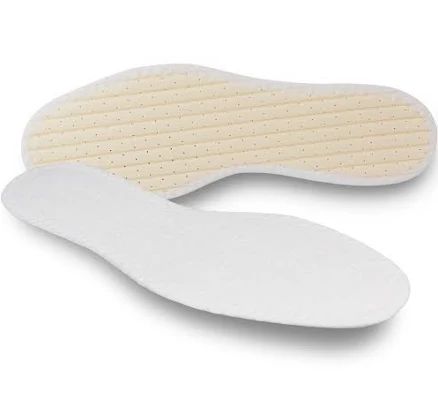
Cotton Insole
- Cotton with possible latex or synthetic backing
- We found no PFAS statement from the brand
- Adhesive/backing composition (unknown)
2 hazards checked on this product, all on its full breakdown.
Find an alternative on Amazon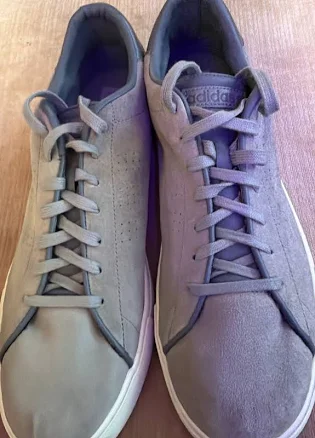
Addias Men's Ortholite Comfort Insoles
- Ortholite cushioning foam, polyurethane base
- Volatile organic compounds (VOCs) from polyurethane
3 hazards checked on this product, all on its full breakdown.
Find an alternative on Amazon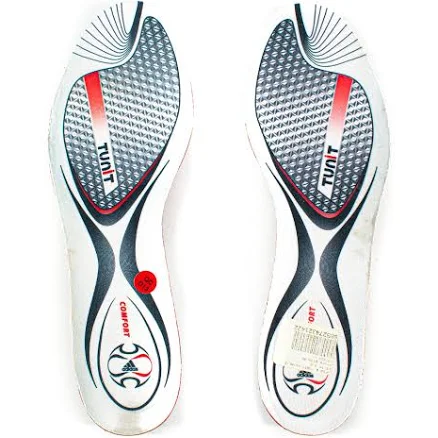
- EVA foam, mesh textile lining
- Azo dyes in mesh textile
3 hazards checked on this product, all on its full breakdown.
Find an alternative on AmazonMore synthetic athletic insoles & orthotics grades
How we score, every product runs through the same public 0-100 rubric based on materials, coatings, brand disclosure, lab findings, and recalls. See the full methodology → Spotted a mistake? Report an error.