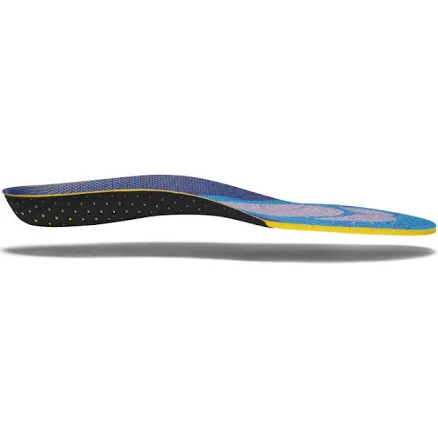
Keen · Synthetic Athletic Insoles & Orthotics
KEEN Outdoor K-10 Replacement Insole
Lower concern. No known water-resistant treatment typical for insoles.
This Keen insole uses typical foam cushioning with no disclosed water-resistant coating. The brand makes no PFAS claims either way.
Still want this one anyway? Check the price on Amazon. We’d swap it.
Material
Foam/cushioning insole, likely EVA or polyurethane base
Brand disclosure
Brand is silent on PFAS
Lab data
No public lab test
You may also be interested in
Top-graded picks in the categories readers replace first, every one scored on the same rubric.

Aqua Pure
3M Aqua-Pure AP802B Whole House Filter Housing
- polypropylene filter housing, carbon/sediment cartridge
- We found no PFAS statement from the brand
- Bacterial growth in spent cartridges
3 hazards checked on this product. See all of them.

Aquasure
Premier Series 75 GPD Under Sink Reverse Osmosis Water Filtration System
- RO membrane, carbon filters, stainless steel housing
- We found no PFAS statement from the brand
- Bacterial and microbial growth in housing and filters
4 hazards checked on this product. See all of them.

Avocado
Vegan Mattress
- organic cotton, natural latex, coconut coir, recycled steel coils
- The brand calls it PFAS-free, which we have not verified
- Heavy metals
2 hazards checked on this product. See all of them.
What KEEN Outdoor K-10 Replacement Insole is made of, ingredients and materials
The K-10 replacement insole is foam-based, most likely EVA (ethylene-vinyl acetate) or polyurethane, both common cushioning materials in athletic insoles. These foams are chemically stable at normal body temperature and do not leach significantly into skin or sweat under standard use. The main concern with foam insoles is degradation over time through mechanical wear and sweat exposure, which can reduce cushioning rather than create chemical hazards.
What’s concerning
Category baseline
The starting point for this type of product, before anything specific to this product is counted.
No PFAS disclosure
No public statement from the brand about PFAS in this product.
Foam degradation and microfragmentation
EVA and polyurethane insoles degrade mechanically over time with wear and moisture exposure. Fragments are unlikely to be absorbed through skin but could be inhaled or ingested if shed material is not contained; replacement before severe breakdown is the primary mitigation.
Bacterial or fungal growth (maintenance-dependent)
Damp foam insoles stored in shoes can harbor bacteria and fungi if not dried between uses. This is a hygiene and foot-health issue rather than a chemical hazard, but affects product safety in practice.
What’s reassuring
Base material not linked to PFAS
The main material recorded for this product is not one associated with PFAS.
Azo dyes or colorant contamination
No public information on dyes used in the K-10 insole fabric layer (if present). Replacement insoles often use minimal dyes or white/neutral colorants, making exposure to azo dyes or heavy metal pigments unlikely but not verified for this specific product.
Formaldehyde / VOCs
Foam insoles may contain trace formaldehyde in adhesive binders between layers. Emissions are expected to be minimal under normal use (body temperature, non-heated), and no specific testing or complaints are on record for Keen insoles.
Source, ATSDR ↗The full breakdown
The brand's record and disclosure
Keen does not publicly disclose detailed material safety data or chemical content for replacement insoles specifically. The brand has no known recalls or reported safety issues tied to insole products. Keen markets itself as an outdoor/sustainability-focused brand but does not emphasize independent third-party certifications (e.g., bluesign, oeko-tex) for insole components, though parent company Deckers has moved some lines toward certified materials.
How it compares in its category
Replacement insoles are among the lowest-risk textile/footwear accessories because they are not dyed, do not contact large skin surface areas for extended periods, and are not subject to flame retardant regulations. EVA and polyurethane insoles are industry-standard; more premium alternatives may use gel, cork, or merino wool composites, which carry different tradeoffs (durability vs. chemical exposure). Keen's offering is conventional and poses no unusual hazard profile for the category.
If you buy it
Replace insoles every 6 to 12 months depending on activity level and visible compression or separation. Rinse with lukewarm water and air-dry completely between uses to prevent bacterial or fungal growth in damp foam. Do not machine wash, tumble dry, or expose to direct heat (e.g., radiators, car dashboards) as high temperatures can degrade foam structure. Store in a cool, dry place when not in use.
What we don’t know
- Basis
- Model estimate, 62% confidence, not a lab result
- Lab test
- None on record for this exact product
- Brand statement
- Keen has made none
Formulations change between production runs, so check the current label. How we grade.
More synthetic athletic insoles & orthotics grades
How we score, every product runs through the same public 0-100 rubric based on materials, coatings, brand disclosure, lab findings, and recalls. See the full methodology → Spotted a mistake? Report an error.