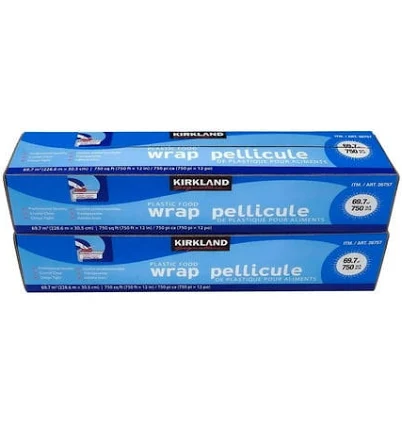
Kirkland Signature · Fast Food Wrappers
Kirkland Signature Plastic Food Wrap
Avoid until composition is transparent, as plastic wrap coatings often hide PFAS but Kirkland doesn't disclose.
Kirkland Signature plastic food wrap likely uses a release agent to prevent sticking, but the brand provides no public information about PFAS content or coating chemistry. Many cling wraps have historically relied on fluorinated coatings, and without disclosure or testing, uncertainty remains moderate.
The better-graded swap
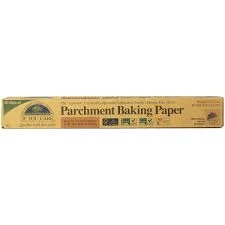
If You Care
If You Care Parchment Baking Paper
90/100 safety
Same rubric that flunked this product. The swap earned Excellent.
Still want this one anyway? Check the price on Amazon. We’d swap it.
Material
PVC or polyethylene film with undisclosed release agent/coating
Brand disclosure
Brand is silent on PFAS
Lab data
No public lab test
You may also be interested in
Top-graded picks in the categories readers replace first, every one scored on the same rubric.

- polypropylene filter housing, carbon/sediment cartridge
- We found no PFAS statement from the brand
- Bacterial growth in spent cartridges
3 hazards checked on this product, all on its full breakdown.

Aquasure
Premier Series 75 GPD Under Sink Reverse Osmosis Water Filtration System
- RO membrane, carbon filters, stainless steel housing
- We found no PFAS statement from the brand
- Bacterial and microbial growth in housing and filters
4 hazards checked on this product, all on its full breakdown.

Avocado
Vegan Mattress
- organic cotton, natural latex, coconut coir, recycled steel coils
- The brand calls it PFAS-free, which we have not verified
- Heavy metals
2 hazards checked on this product, all on its full breakdown.
What Kirkland Signature Plastic Food Wrap is made of, ingredients and materials
Kirkland Signature plastic wrap is either PVC (polyvinyl chloride) or polyethylene film, both common food-contact materials. The critical issue is the undisclosed release agent or non-stick coating that prevents the film from sticking to itself. These coatings frequently contain PFAS compounds in commercial plastic wraps, though Kirkland does not publicly specify what theirs contains. Without transparency, you cannot rule out PFAS migration into fatty or acidic foods during storage.
What’s concerning
Category baseline
The starting point for this type of product, before anything specific to this product is counted.
No PFAS disclosure
No public statement from the brand about PFAS in this product.
Waterproof / stain-resistant treatment
Water-repellent coating treatments have historically used PFAS.
PFAS
Undisclosed coating on Kirkland wrap almost certainly contains non-stick agents; commercial food wraps typically use PFAS-based compounds for release. Kirkland's refusal to disclose means PFAS migration into food cannot be ruled out, particularly with fatty or acidic foods.
Source, ATSDR ↗PVC chlorine leaching (if PVC formulation)
If the wrap is PVC-based rather than polyethylene, direct contact with fatty foods or heat exposure may cause migration of plasticizers or residual chlorine compounds. PVC is regulated for food contact but carries inherent risk if misused.
Microplastics
Plastic wrap breaks down over time, especially if stretched, crumpled, or heated. Fragments may transfer to food, particularly soft or moist items. The risk increases if the wrap is reused or stored in direct sunlight.
Source, EPA ↗Coating degradation and unknown leachates
Plastic wrap coatings degrade with age and temperature exposure. Without knowing Kirkland's specific coating chemistry, you cannot identify what byproducts may leach as the coating breaks down over weeks or months of storage.
How is this PFAS grade calculated?
The brand's record and disclosure
Kirkland Signature (Costco's house brand) has not published ingredient lists, safety certifications, or coating composition for this product. No public statements address PFAS use or food-safety testing. The brand's silence on composition is standard for many retailers but stands out as a gap compared to competitors who have begun disclosing or eliminating PFAS-based release agents. No recalls or documented health incidents specific to Kirkland plastic wrap are on public record.
How it compares in its category
Most plastic wraps in the market rely on similar coatings, making disclosure gaps widespread. Brands like Glad and Saran have begun offering PFAS-free alternatives in some markets. Kirkland's lack of transparency places it in the middle-to-lower tier for consumer confidence, though the product itself meets FDA regulations for food contact. If PFAS avoidance is your priority, alternative wraps with explicit PFAS-free or coating-free claims (e.g., uncoated PE films) are available.
If you buy it
Use Kirkland plastic wrap only for cold storage and wrapping dry or non-fatty foods; avoid direct contact with hot foods, fatty meats, cheeses, or oils, as these increase leaching risk. Replace the wrap immediately if torn or degraded. Store rolls in a cool, dry place away from heat sources. Consider rotating to explicitly PFAS-free alternatives, especially for high-risk foods, until Kirkland discloses its coating composition.
What is not known about PFAS in this product?
- Basis
- Model estimate, 35% confidence, not a lab result
- Lab test
- None on record for this exact product
- Brand statement
- Kirkland Signature has made none
Formulations change between production runs, so check the current label. How we grade.
What are the PFAS-free alternatives to Kirkland Signature Plastic Food Wrap?
- silicone-coated parchment paper
- The brand calls it PFAS-free, which we have not verified
- Silicone coating degradation at extreme heat
2 hazards checked on this product, all on its full breakdown.
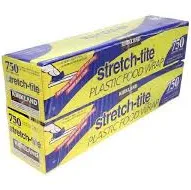
- Polyethylene (PE) film
- We found no PFAS statement from the brand
- Polyethylene film degradation under heat
2 hazards checked on this product, all on its full breakdown.
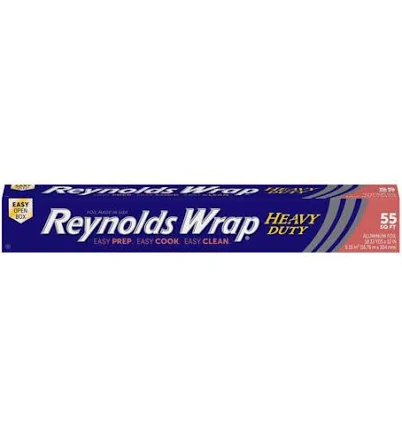
- Aluminum foil, uncoated
- Aluminum leaching (acidic/salt contact)
3 hazards checked on this product, all on its full breakdown.
More fast food wrappers grades
How we score, every product runs through the same public 0-100 rubric based on materials, coatings, brand disclosure, lab findings, and recalls. See the full methodology → Spotted a mistake? Report an error.