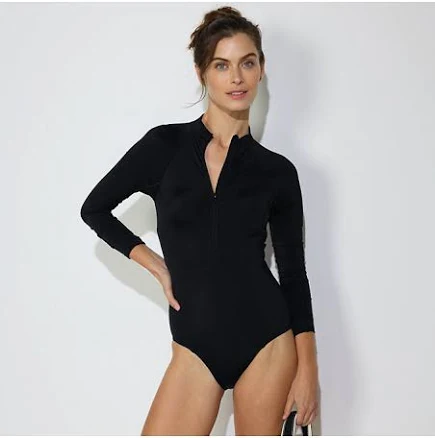
Lands' End Women's Tugless Long Sleeve Rash Guard One Piece Swimsuit
Avoid unless Lands' End discloses water-repellent coating chemistry; rash guards typically use fluorinated water repellents.
This rash guard uses water-repellent coating finish common in swim and athletic wear, historically relying on PFAS. Lands' End does not publicly disclose the specific water-repellent coating chemistry or confirm PFAS-free treatment without third-party verification or brand transparency.
The better-graded swap
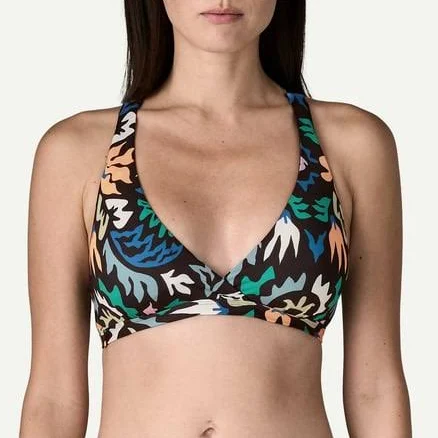
Patagonia
Patagonia Women's Bottom Turn Racerback Bikini Top
90/100 safety
Same rubric that flunked this product. The swap earned Excellent.
Still want this one anyway? Check the price on Amazon. We’d swap it.
Material
Nylon/polyester blend with water-repellent coating treatment
Brand disclosure
Brand is silent on PFAS
Lab data
No public lab test
You may also be interested in
Top-graded picks in the categories readers replace first, every one scored on the same rubric.

- polypropylene filter housing, carbon/sediment cartridge
- We found no PFAS statement from the brand
- Bacterial growth in spent cartridges
3 hazards checked on this product, all on its full breakdown.

Aquasure
Premier Series 75 GPD Under Sink Reverse Osmosis Water Filtration System
- RO membrane, carbon filters, stainless steel housing
- We found no PFAS statement from the brand
- Bacterial and microbial growth in housing and filters
4 hazards checked on this product, all on its full breakdown.

Avocado
Vegan Mattress
- organic cotton, natural latex, coconut coir, recycled steel coils
- The brand calls it PFAS-free, which we have not verified
- Heavy metals
2 hazards checked on this product, all on its full breakdown.
What Lands' End Women's Tugless Piece Swimsuit is made of, ingredients and materials
This rash guard is a nylon/polyester blend with a water-repellent coating (water-repellent coating) finish applied to the fabric surface. The water-repellent coating is the chemical wildcard, most mass-market swimwear uses fluorinated compounds (PFAS-based) to achieve water shedding, though some brands have shifted to non-fluorinated alternatives. Lands' End does not publicly specify which chemistry is in this product. Nylon and polyester themselves are stable synthetics with low leaching risk in normal use, but the finish treatment determines the real hazard profile.
What’s concerning
Category baseline
The starting point for this type of product, before anything specific to this product is counted.
No PFAS disclosure
No public statement from the brand about PFAS in this product.
Waterproof / stain-resistant treatment
Water-repellent coating treatments have historically used PFAS.
water-repellent coating (water-repellent coating) finish chemistry, unknown fluorine content
Lands' End does not disclose whether the water-repellent coating is fluorinated (PFAS-based) or non-fluorinated. Fluorinated finishes on textiles are a known PFAS exposure pathway, particularly during manufacturing and laundering. Without chemistry details, assume possible PFAS presence; request specification from Lands' End customer service if concerned.
Microplastic shedding during washing
All synthetic textiles, including this nylon/polyester blend, shed microfibers during laundering. Microplastic accumulation in waterways is an environmental concern. Wear and washing intensity increase shedding; using a washing bag filter or washing less frequently reduces release.
What’s reassuring
Azo dyes and color fastness
No recalls or documented azo dye hazards have been reported for Lands' End swimwear. However, imported nylon/polyester blends may contain azo dyes if not certified to stricter EU or OEKO-TEX standards, which Lands' End does not highlight. Prewashing helps leach out excess unfixed dyes.
Antimony in polyester fiber
Polyester production can use antimony as a catalyst; residual antimony may remain in the finished fiber at trace levels. No established health risk from wearing polyester clothing in normal conditions, and Lands' End does not report antimony contamination. Standard industry practice is that polyester garments contain minimal antimony residue.
Formaldehyde / VOCs
Formaldehyde-based resins are sometimes used to set elastic and finishes in swimwear. No documented formaldehyde releases or complaints are associated with Lands' End rash guards. Prewashing before first wear helps release residual finishing chemicals across any synthetic garment.
Source, ATSDR ↗How is this PFAS grade calculated?
The brand's record and disclosure
Lands' End has not published material safety data sheets or water-repellent coating chemistry declarations for swimwear on their website. The brand is silent on PFAS use and does not advertise PFAS-free or fluorine-free finishes as a selling point. No major recalls or safety controversies specific to Lands' End swimwear have been documented in public databases. The company's lack of transparency on finishing chemicals is typical for mid-market apparel but limits consumer ability to make an informed choice.
How it compares in its category
Most traditional rash guards in this price and distribution tier use fluorinated water-repellent coating, making Lands' End average for the category rather than exceptional. Premium or eco-certified alternatives (e.g., Patagonia, some organic cotton hybrids) explicitly market non-fluorinated or PFAS-free finishes and provide technical specs. Budget fast-fashion rash guards typically offer the same opacity around finish chemistry. This product occupies the middle ground, functional design with standard chemical transparency gaps.
If you buy it
Wash separately from other items in cool water before first use to rinse excess finish chemicals and dyes. Machine wash warm with mild detergent; avoid chlorine bleach and high heat drying, which can degrade both nylon and the water-repellent coating. Reapply water repellent spray (commercial non-fluorinated options exist) every 5, 10 washes if water beading diminishes. Replace when seams weaken or elastic fails, typically 2, 3 years of regular use; worn-out rash guards shed microfibers in the wash, so dispose responsibly rather than donating deteriorated items.
What is not known about PFAS in this product?
- Basis
- Model estimate, 45% confidence, not a lab result
- Lab test
- None on record for this exact product
- Brand statement
- Lands' End has made none
Formulations change between production runs, so check the current label. How we grade.
What are the PFAS-free alternatives to Lands' End Women's Tugless Long Sleeve Rash Guard One Piece Swimsuit?
- Nylon/polyester blend with elastane (standard swimwear)
- The brand calls it PFAS-free, which we have not verified
- Elastane (spandex) degradation under heat or chlorine

- Cotton/cotton-blend seersucker plaid
- We found no PFAS statement from the brand
- Azo dyes and colorfast stability
2 hazards checked on this product, all on its full breakdown.
Find an alternative on Amazon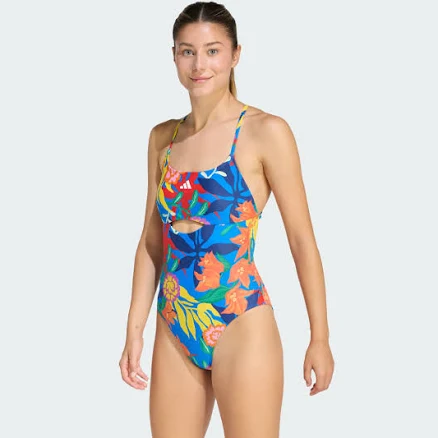
- Polyester/nylon swimsuit fabric, likely uncoated or standard finish
- Azo dyes and synthetic colorants
4 hazards checked on this product, all on its full breakdown.
Find an alternative on AmazonMore swimwear grades
How we score, every product runs through the same public 0-100 rubric based on materials, coatings, brand disclosure, lab findings, and recalls. See the full methodology → Spotted a mistake? Report an error.