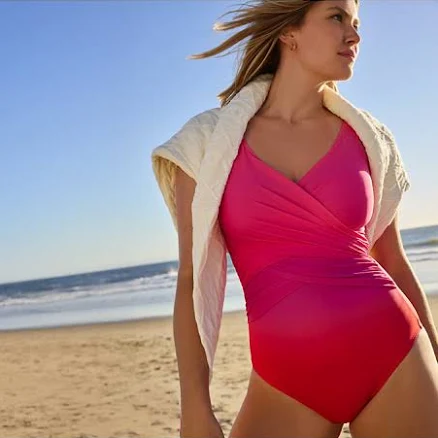
Women's Lands' End DD-Cup New SlenderSuit Wrap One Piece Swimsuit
Higher PFAS risk from water-repellent coating; Lands' End lacks treatment transparency.
This swimsuit uses water-repellent coating finish typical of performance swimwear, historically relying on PFAS or structurally similar fluorochemicals. Lands' End makes no public commitment to PFAS-free manufacturing or third-party verification, leaving PFAS exposure risk unquantified.
The better-graded swap
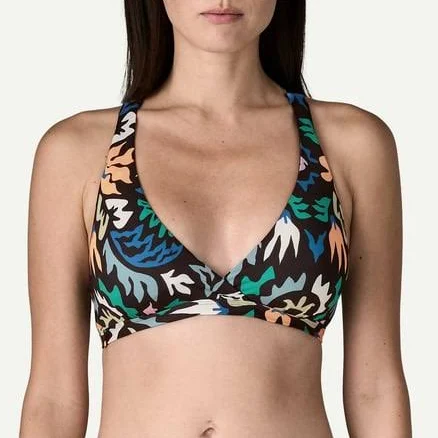
Patagonia
Patagonia Women's Bottom Turn Racerback Bikini Top
90/100 safety
Same rubric that flunked this product. The swap earned Excellent.
Still want this one anyway? Check the price on Amazon. We’d swap it.
Material
Nylon/polyester blend with water-resistant finish (water-repellent coating treatment)
Brand disclosure
Brand is silent on PFAS
Lab data
No public lab test
You may also be interested in
Top-graded picks in the categories readers replace first, every one scored on the same rubric.

- polypropylene filter housing, carbon/sediment cartridge
- We found no PFAS statement from the brand
- Bacterial growth in spent cartridges
3 hazards checked on this product, all on its full breakdown.

Aquasure
Premier Series 75 GPD Under Sink Reverse Osmosis Water Filtration System
- RO membrane, carbon filters, stainless steel housing
- We found no PFAS statement from the brand
- Bacterial and microbial growth in housing and filters
4 hazards checked on this product, all on its full breakdown.

Avocado
Vegan Mattress
- organic cotton, natural latex, coconut coir, recycled steel coils
- The brand calls it PFAS-free, which we have not verified
- Heavy metals
2 hazards checked on this product, all on its full breakdown.
What Women's Lands' End DD-Cup Piece Swimsuit is made of, ingredients and materials
This swimsuit is a nylon-polyester blend with a water-repellent coating (water-repellent coating) finish applied to the outer shell. water-repellent coating coatings on textiles are a primary source of PFAS exposure in apparel because they bond to fabric permanently and persist through wear and washing. The synthetic fiber blend itself is stable, but the finishing chemistry is the exposure pathway. A DD-cup one-piece will have extended seam areas and elastic that also receive the water-repellent coating treatment.
What’s concerning
Category baseline
The starting point for this type of product, before anything specific to this product is counted.
No PFAS disclosure
No public statement from the brand about PFAS in this product.
Waterproof / stain-resistant treatment
Water-repellent coating treatments have historically used PFAS.
PFAS
Nylon-polyester swimwear with water-repellent finish almost certainly uses fluorinated compounds (Teflon-type coating-based or similar). Lands' End silence on this chemistry is consistent with use of conventional, higher-PFAS-load formulations. Exposure occurs through skin contact and microfiber shedding.
Source, ATSDR ↗Azo dyes in synthetic fibers
Polyester and nylon commonly use azo dyes for color. Restricted azo dyes (that cleave to carcinogenic amines) are regulated in EU but enforcement in US-market swimwear is inconsistent. No specific testing documented for Lands' End swimwear; risk depends on dye lot and origin.
Formaldehyde / VOCs
Water-repellent coating finishes and elastic treatments sometimes contain formaldehyde-release resins for durability. Lands' End does not disclose resin chemistry. Exposure is typically dermal; off-gassing decreases after first few washes.
Source, ATSDR ↗Microplastic shedding during wear and wash
Nylon-polyester blends shed microfibers when stretched, dried, and washed. Swimwear undergoes frequent washing and chlorine/saltwater stress, accelerating degradation. Shed fibers are ingested via water and inhaled; long-term health effects remain under study.
Elastic degradation and antimony in polyester
Polyester fiber sometimes contains antimony trioxide as a catalyst residue. Levels in finished garments are typically low and not leachable during normal wear, but degradation over time (chlorine exposure, UV) could increase release. No antimony testing published for Lands' End products.
How is this PFAS grade calculated?
The brand's record and disclosure
Lands' End does not publicly disclose the specific water-repellent coating chemistry used in their swimwear (fluorocarbon-based or non-fluorinated alternatives). The brand has not committed to PFAS elimination or published a restricted substance list for performance coatings. Unlike some competitors (Patagonia, Allbirds), Lands' End has remained silent on fluorinated finish phase-out, which is a red flag for higher PFAS-risk treatments. No major recalls or chemical controversies are documented for this specific product line.
How it compares in its category
Mainstream swimwear from department brands typically uses fluorinated water-repellent coating coatings; Lands' End sits at the industry norm for chemical transparency and finish type. Premium brands increasingly offer fluorine-free or PFAS-reduced alternatives (Patagonia Hyperflex, some Speedo options), though often at higher price. Budget retailers may use older, heavier fluorocarbon formulations. This product is mid-market with average risk profile for conventional water-repellent coating-treated swimwear.
If you buy it
Wash inside-out in cold water before first wear to remove loose finishing residues. Avoid hot water and machine drying, as heat can increase PFAS off-gassing. Hand wash in cool water with mild detergent; avoid bleach and fabric softeners that interact with water-repellent coating coatings. Replace after 2-3 seasons of regular use (chlorine and UV degrade water-repellent coating and may increase microfiber shedding). Minimize skin contact duration immediately after purchase.
What is not known about PFAS in this product?
- Basis
- Model estimate, 45% confidence, not a lab result
- Lab test
- None on record for this exact product
- Brand statement
- Lands' End has made none
Formulations change between production runs, so check the current label. How we grade.
What are the PFAS-free alternatives to Women's Lands' End DD-Cup New SlenderSuit Wrap One Piece Swimsuit?
- Nylon/polyester blend with elastane (standard swimwear)
- The brand calls it PFAS-free, which we have not verified
- Elastane (spandex) degradation under heat or chlorine
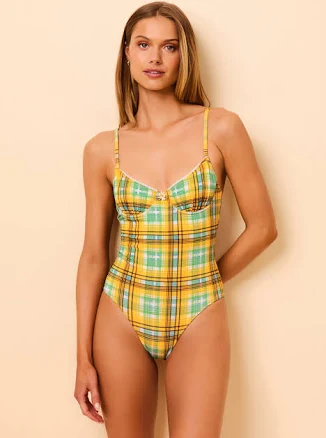
- Cotton/cotton-blend seersucker plaid
- We found no PFAS statement from the brand
- Azo dyes and colorfast stability
2 hazards checked on this product, all on its full breakdown.
Find an alternative on Amazon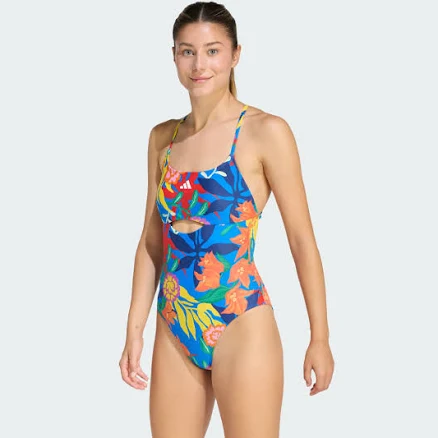
- Polyester/nylon swimsuit fabric, likely uncoated or standard finish
- Azo dyes and synthetic colorants
4 hazards checked on this product, all on its full breakdown.
Find an alternative on AmazonMore swimwear grades
How we score, every product runs through the same public 0-100 rubric based on materials, coatings, brand disclosure, lab findings, and recalls. See the full methodology → Spotted a mistake? Report an error.