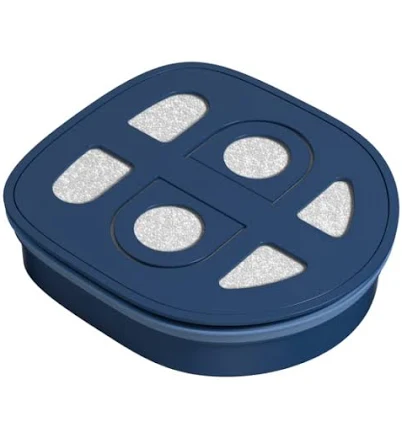
LARQ PureVis Pitcher
Low risk. Glass pitcher avoids PFAS, verify filter cartridge sourcing.
LARQ PureVis uses borosilicate glass as the primary pitcher material, which carries lower PFAS concern. The brand doesn't disclose activated carbon filter composition.
We flunk more products than we pass. This one earned its grade. How we grade
Material
Borosilicate glass pitcher, activated carbon filter cartridge
Lab data
No public lab test
You may also be interested in
Top-graded picks in the categories readers replace first, every one scored on the same rubric.

- polypropylene filter housing, carbon/sediment cartridge
- We found no PFAS statement from the brand
- Bacterial growth in spent cartridges
3 hazards checked on this product, all on its full breakdown.

Aquasure
Premier Series 75 GPD Under Sink Reverse Osmosis Water Filtration System
- RO membrane, carbon filters, stainless steel housing
- We found no PFAS statement from the brand
- Bacterial and microbial growth in housing and filters
4 hazards checked on this product, all on its full breakdown.

Avocado
Vegan Mattress
- organic cotton, natural latex, coconut coir, recycled steel coils
- The brand calls it PFAS-free, which we have not verified
- Heavy metals
2 hazards checked on this product, all on its full breakdown.
What LARQ PureVis Pitcher is made of, ingredients and materials
The LARQ PureVis pitcher is constructed from borosilicate glass, a chemically inert material resistant to thermal shock and leaching. Borosilicate does not release BPA, phthalates, or other endocrine disruptors into water under normal use. The activated carbon filter cartridge is the functional component; its safety depends on manufacturing standards and whether the carbon and housing materials are free of heavy metals and binders that could leach into filtered water.
What’s concerning
No PFAS disclosure
No public statement from the brand about PFAS in this product.
Bacterial growth in filter cartridge
Activated carbon filters can harbor bacteria if not replaced regularly or if the pitcher sits unused for extended periods. LARQ has not published maintenance intervals or antimicrobial treatment of the cartridge, so adherence to a strict replacement schedule is critical to avoid water quality degradation.
Activated carbon filter housing leachables
If the filter cartridge housing or binder materials contain heavy metals (cadmium, lead) or synthetic resins not certified food-safe, prolonged contact with water could leach contaminants. The brand does not disclose cartridge material specifications or third-party testing results, making this assessment uncertain.
Replacement cartridge sourcing variability
Without NSF certification or published supply-chain audits, replacement cartridges may vary in quality or sourcing between production batches. Users relying on LARQ-branded replacements have no independent assurance that cartridge composition remains consistent or free from PFAS-related concerns over time.
PFAS
While the pitcher body avoids PFAS, activated carbon production and filter housing materials may contain PFAS-based compounds used in manufacturing or binders. The brand has not addressed PFAS removal capacity or cartridge PFAS content, making long-term exposure through filtered water a potential concern if sourcing is not verified.
Source, ATSDR ↗What’s reassuring
Bare uncoated material
Recorded as a bare, uncoated material with no surface coating or treatment.
Borosilicate glass durability and breakage
Borosilicate glass is not a material linked to PFAS but is mechanically fragile. Drops or thermal shock from rapid temperature changes can cause breakage; no safety hazard from the material itself, but product reliability and consumer injury risk from breakage should be considered.
How is this PFAS grade calculated?
The brand's record and disclosure
LARQ markets the PureVis pitcher as a premium filtration device but has not published third-party NSF or WQA certifications for the cartridge, nor has the brand disclosed material sourcing, activated carbon testing protocols, or PFAS removal specifications. No public recalls or safety controversies are on record for this model. The brand's silence on PFAS performance and filter cartridge composition limits confidence in replacement cartridge quality over time.
How it compares in its category
Most countertop pitchers (Brita, PUR, Mavea) use plastic housings that carry BPA or phthalate risks; the LARQ PureVis eliminates that by using glass. However, standard competitors often carry NSF/WQA certification and publish contaminant reduction claims. The LARQ pitcher prioritizes material safety over third-party verification, which is a trade-off, you gain glass durability and no plastic leaching, but lose independent validation of filter performance and cartridge composition.
If you buy it
Replace the filter cartridge every 2-3 months or after 100 gallons, whichever comes first, to prevent bacterial growth and saturation. Do not heat the glass pitcher on a stovetop; borosilicate tolerates temperature shifts but is not designed for direct flame. Store in a cool, dry place away from sunlight to avoid algae growth in the reservoir. When purchasing replacement cartridges, request documentation of carbon sourcing and any NSF testing to confirm the supply chain has not changed.
What is not known about PFAS in this product?
- Basis
- Model estimate, 72% confidence, not a lab result
- Lab test
- None on record for this exact product
- Brand statement
- LARQ has made a specific claim
Formulations change between production runs, so check the current label. How we grade.
More countertop filters grades
How we score, every product runs through the same public 0-100 rubric based on materials, coatings, brand disclosure, lab findings, and recalls. See the full methodology → Spotted a mistake? Report an error.