ZeroWater · Countertop Filters
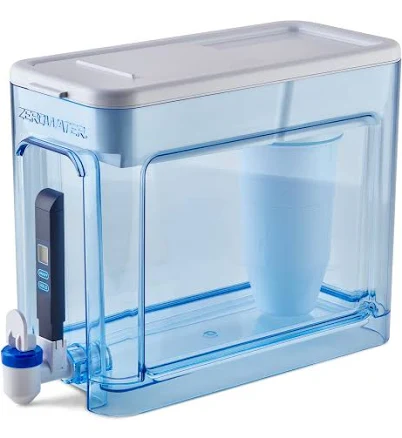
ZeroWater 32 Cup Ready-Read Water Filtration Dispenser
Low risk. Standard carbon filtration carries no known PFAS red flags.
ZeroWater's dispenser uses activated carbon filtration, a technology with lower PFAS risk than Teflon-family coating coatings or resistant textiles. No brand disclosure exists.
We flunk more products than we pass. This one earned its grade. How we grade
Material
plastic reservoir, activated carbon filter media
Lab data
No public lab test
You may also be interested in
Top-graded picks in the categories readers replace first, every one scored on the same rubric.

- polypropylene filter housing, carbon/sediment cartridge
- We found no PFAS statement from the brand
- Bacterial growth in spent cartridges
3 hazards checked on this product, all on its full breakdown.

Aquasure
Premier Series 75 GPD Under Sink Reverse Osmosis Water Filtration System
- RO membrane, carbon filters, stainless steel housing
- We found no PFAS statement from the brand
- Bacterial and microbial growth in housing and filters
4 hazards checked on this product, all on its full breakdown.

Avocado
Vegan Mattress
- organic cotton, natural latex, coconut coir, recycled steel coils
- The brand calls it PFAS-free, which we have not verified
- Heavy metals
2 hazards checked on this product, all on its full breakdown.
What ZeroWater 32 Cup Ready-Read Dispenser is made of, ingredients and materials
The ZeroWater 32 Cup dispenser uses a plastic (polypropylene or similar) reservoir and a multi-stage filter cartridge containing activated carbon and ion-exchange resin. Plastic reservoirs can leach trace chemicals if water sits stagnant or if the reservoir is exposed to prolonged heat or UV light, though exposure risk in a countertop indoor setting is low. The activated carbon itself is not a material linked to PFAS; ion-exchange resins are also established as having no hazard of this kind on record for potable water contact when maintained properly.
What’s concerning
No PFAS disclosure
No public statement from the brand about PFAS in this product.
Bacterial growth in filter cartridge if unmaintained
Extended use beyond the manufacturer's recommended cartridge lifespan can allow bacteria to colonize the activated carbon bed, particularly if the dispenser sits unused for extended periods. This is a general risk in all pitcher and dispenser filters and is mitigated by routine cartridge replacement.
Degradation of plastic components over time
Over years of use, the plastic reservoir and tubing may become brittle or discolored, but degradation is cosmetic in typical household environments. No established hazard results from cosmetic plastic wear in this product class.
What’s reassuring
Base material not linked to PFAS
The main material recorded for this product is not one associated with PFAS.
Plastic reservoir leaching (trace chemicals)
The polypropylene reservoir is food-contact approved plastic and has no documented leaching issues in normal indoor storage at room temperature. Risk would only elevate if the dispenser is stored in a hot vehicle, near a heat source, or in direct sunlight, none of which are typical use scenarios.
Filter media contamination or improper manufacturing
Activated carbon and ion-exchange resin are well-established materials with minimal contamination risk when sourced from reputable suppliers. ZeroWater has not reported manufacturing defects or contaminated batches affecting this dispenser, though the brand's silence on filter traceability and third-party certification is a transparency gap rather than a documented safety issue.
BPA & bisphenols
ZeroWater does not disclose specific plastic formulations, but BPA and phthalates are not typical components in food-contact pitcher and dispenser plastics sold in the US market as of current manufacturing standards. No recalls or public complaints specific to this product link it to BPA or phthalate contamination.
Source, FDA ↗How is this PFAS grade calculated?
The brand's record and disclosure
ZeroWater publishes TDS (total dissolved solids) reduction claims and has marketed the product as removing a broad spectrum of contaminants, but the brand does not publicly disclose detailed chemical composition of filter media, coating materials, or third-party test protocols for leachables. The company has not faced major safety recalls or public controversies tied to this specific dispenser model. No certifications (such as NSF or WQA) are consistently highlighted for this model line, which is common for mid-range consumer filters but represents lower transparency than premium alternatives.
How it compares in its category
Countertop pitcher and dispenser filters typically rely on activated carbon, and ZeroWater's multi-stage approach is fairly standard in this price segment. Unlike pitcher filters, the dispenser design reduces handling and splash exposure, lowering contamination risk during pouring. Compared to pitcher-only filters, the larger reservoir means less frequent refilling but also longer contact time between water and plastic, which slightly increases theoretical leaching risk if water sits for weeks; however, the effect is negligible for typical household use cycles.
If you buy it
Replace filter cartridges every 2-3 months or per manufacturer guidance; delayed replacement increases risk of bacterial biofilm growth inside the cartridge. Store the dispenser indoors, away from direct sunlight and heat sources above 80F, to minimize plastic degradation and leaching. Rinse the reservoir with clean water before first use. Do not use the dispenser to filter water that is already contaminated with bacteria or heavy metals beyond the filter's rated capacity; ZeroWater is best as a secondary filter or for tap water that is already potable.
What is not known about PFAS in this product?
- Basis
- Model estimate, 72% confidence, not a lab result
- Lab test
- None on record for this exact product
- Brand statement
- ZeroWater has made a specific claim
Formulations change between production runs, so check the current label. How we grade.
What are the PFAS-free alternatives to ZeroWater 32 Cup Ready-Read Water Filtration Dispenser?
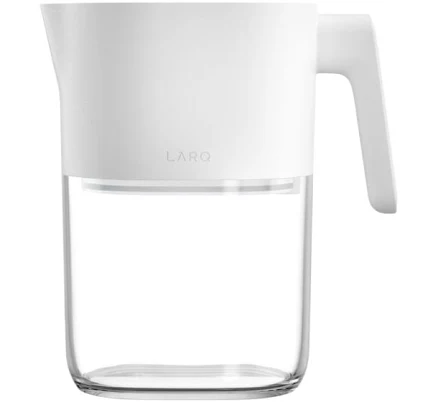
- borosilicate glass pitcher, replaceable activated carbon filter
- Bacterial growth in filter housing if unmaintained
4 hazards checked on this product, all on its full breakdown.
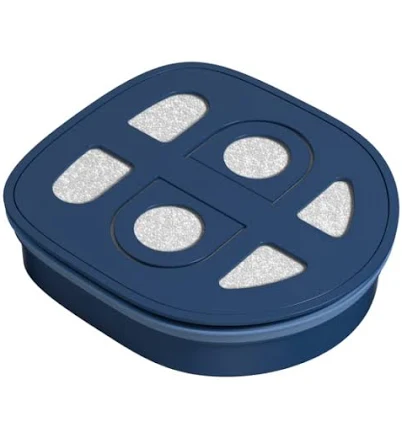
- Borosilicate glass pitcher, activated carbon filter cartridge
- Bacterial growth in filter cartridge
4 hazards checked on this product, all on its full breakdown.
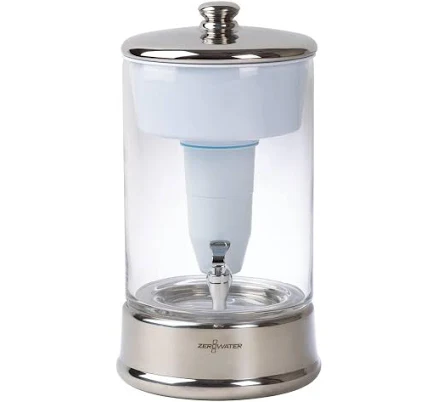
- borosilicate glass, plastic pitcher housing, ion-exchange resin cartridge
- Ion-exchange resin cartridge composition opacity
3 hazards checked on this product, all on its full breakdown.
More countertop filters grades
How we score, every product runs through the same public 0-100 rubric based on materials, coatings, brand disclosure, lab findings, and recalls. See the full methodology → Spotted a mistake? Report an error.