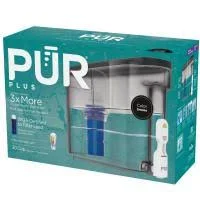
PUR Plus 30 Cup Dispenser
Low risk. Carbon-filter design carries no known PFAS exposure.
The PUR Plus 30 uses activated carbon filtration with standard plastic housing, neither typically treated with PFAS water-repellents. No PFAS testing or claims available.
We flunk more products than we pass. This one earned its grade. How we grade
Material
activated carbon filter, plastic dispenser housing
Lab data
No public lab test
You may also be interested in
Top-graded picks in the categories readers replace first, every one scored on the same rubric.

- polypropylene filter housing, carbon/sediment cartridge
- We found no PFAS statement from the brand
- Bacterial growth in spent cartridges
3 hazards checked on this product, all on its full breakdown.

Aquasure
Premier Series 75 GPD Under Sink Reverse Osmosis Water Filtration System
- RO membrane, carbon filters, stainless steel housing
- We found no PFAS statement from the brand
- Bacterial and microbial growth in housing and filters
4 hazards checked on this product, all on its full breakdown.

Avocado
Vegan Mattress
- organic cotton, natural latex, coconut coir, recycled steel coils
- The brand calls it PFAS-free, which we have not verified
- Heavy metals
2 hazards checked on this product, all on its full breakdown.
What PUR Plus 30 Cup Dispenser is made of, ingredients and materials
The PUR Plus 30 uses a two-stage filter cartridge combining activated carbon with ion-exchange resin to reduce chlorine, taste, odor, and some dissolved contaminants. The dispenser housing is food-grade plastic (typically polypropylene or similar), which does not leach into water at room temperature and is not heated during normal use. The activated carbon itself is inert once water passes through it; the risk profile is low because there is no heat exposure, no coating degradation typical of cookware, and water does not sit long enough on carbon media to extract problematic compounds.
What’s concerning
No PFAS disclosure
No public statement from the brand about PFAS in this product.
Bacterial growth in filter media if not maintained
Activated carbon can support microbial biofilm if filters are not replaced on schedule or if water sits stagnant in the pitcher for extended periods. This is a usage-dependent risk, not inherent to product design, and is controlled by regular cartridge changes and daily use.
Ion-exchange resin particles or fragments in filtered water
If a filter cartridge cracks or degrades prematurely, small resin beads could pass into the dispensed water. This is rare but can occur if filters are not seated properly or if the pitcher is dropped. Visual inspection of cartridge integrity before installation mitigates this risk.
Activated carbon dust or fines in first use
New PUR filter cartridges may release fine activated carbon particles if not pre-rinsed. This is a cosmetic and minor ingestion issue resolved by a 15-second rinse under running water before first use; no toxicological harm is established from ingesting small amounts of food-grade activated carbon.
Reduced contaminant removal if filter exceeds rated capacity
Using a cartridge beyond 40 gallons reduces its adsorptive capacity and may allow chlorine, taste, or odor compounds to pass through. While not a safety hazard per se, this creates a functional failure and slightly increases exposure to tap water contaminants if water quality is poor.
What’s reassuring
Base material not linked to PFAS
The main material recorded for this product is not one associated with PFAS.
Plastic housing off-gassing or leaching
The dispenser is typically polypropylene or similar food-grade plastic with no reported migration of BPA, phthalates, or other plasticizers into water at room temperature. No recalls or health complaints specific to PUR pitcher housing are on public record.
How is this PFAS grade calculated?
The brand's record and disclosure
PUR is owned by Helen of Troy Limited and has been widely sold in North America for over 25 years with no major recalls tied to chemical leaching or filter contamination. The brand does not publicly disclose PFAS testing results or stance, which is a transparency gap shared by most pitcher-filter manufacturers. No significant controversies regarding heavy metals, microplastics, or harmful polymer additives in PUR dispensers are on public record. Certifications such as NSF/ANSI Standard 42 (aesthetic) and Standard 53 (health effects) are claimed but end-user verification of current product batches is not independently available.
How it compares in its category
Pitcher filters as a category show lower concern among water treatment products because they involve no electrical components, no ion-exchange resin leakage risk at normal pH, and no biofilm-prone standing water loops common in under-sink or whole-house carbon systems. The PUR Plus 30 is mid-range in filter lifespan (40 gallons, typically 2-3 months) compared to premium brands like Brita (similar) or budget alternatives; all use the same activated carbon principle and pose equivalent chemical hazards. The 30-cup capacity is slightly larger than standard pitchers, reducing filter replacement frequency and thus waste, but offers no safety advantage over smaller models.
If you buy it
Replace filter cartridges every 40 gallons or 2-3 months, whichever comes first; overstayed filters lose effectiveness and may harbor bacterial biofilm in the carbon bed. Do not expose the plastic housing to direct sunlight or heat above 120 degrees F, as this could accelerate minor polymer off-gassing, though no toxicological risk is documented for normal kitchen use. Always rinse a new cartridge under running water for 15 seconds before first use to flush activated carbon dust. Store dispensers in a cool, dry place and do not let water sit in the bottom reservoir longer than 24 hours between refills.
What is not known about PFAS in this product?
- Basis
- Model estimate, 72% confidence, not a lab result
- Lab test
- None on record for this exact product
- Brand statement
- PUR has made a specific claim
Formulations change between production runs, so check the current label. How we grade.
What are the PFAS-free alternatives to PUR Plus 30 Cup Dispenser?
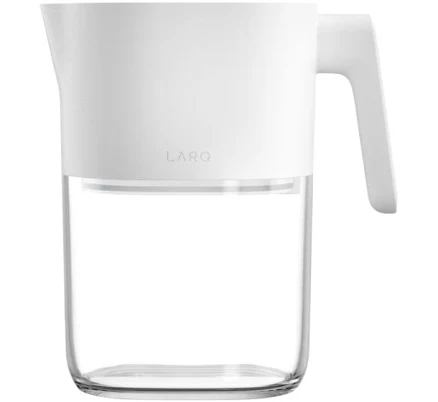
- borosilicate glass pitcher, replaceable activated carbon filter
- Bacterial growth in filter housing if unmaintained
4 hazards checked on this product, all on its full breakdown.
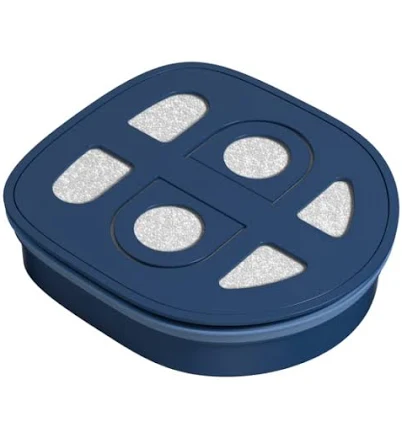
- Borosilicate glass pitcher, activated carbon filter cartridge
- Bacterial growth in filter cartridge
4 hazards checked on this product, all on its full breakdown.
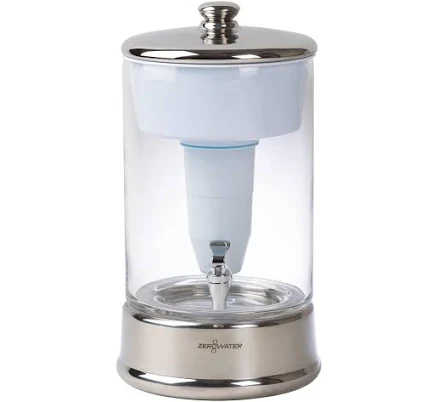
- borosilicate glass, plastic pitcher housing, ion-exchange resin cartridge
- Ion-exchange resin cartridge composition opacity
3 hazards checked on this product, all on its full breakdown.
More countertop filters grades
How we score, every product runs through the same public 0-100 rubric based on materials, coatings, brand disclosure, lab findings, and recalls. See the full methodology → Spotted a mistake? Report an error.