ZeroWater · Countertop Filters
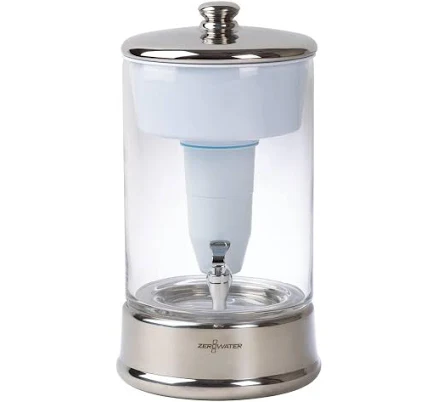
ZeroWater 40-Cup Glass Water Filter Dispenser
Low risk. Glass pitcher avoids PFAS, but cartridge transparency lacking.
ZeroWater's borosilicate glass design avoids PFAS-prone materials in the main pitcher. The brand doesn't disclose PFAS content in its ion-exchange cartridges.
We flunk more products than we pass. This one earned its grade. How we grade
Material
borosilicate glass, plastic pitcher housing, ion-exchange resin cartridge
Lab data
No public lab test
You may also be interested in
Top-graded picks in the categories readers replace first, every one scored on the same rubric.

- polypropylene filter housing, carbon/sediment cartridge
- We found no PFAS statement from the brand
- Bacterial growth in spent cartridges
3 hazards checked on this product, all on its full breakdown.

Aquasure
Premier Series 75 GPD Under Sink Reverse Osmosis Water Filtration System
- RO membrane, carbon filters, stainless steel housing
- We found no PFAS statement from the brand
- Bacterial and microbial growth in housing and filters
4 hazards checked on this product, all on its full breakdown.

Avocado
Vegan Mattress
- organic cotton, natural latex, coconut coir, recycled steel coils
- The brand calls it PFAS-free, which we have not verified
- Heavy metals
2 hazards checked on this product, all on its full breakdown.
What ZeroWater 40-Cup Glass Filter Dispenser is made of, ingredients and materials
The 40-cup dispenser uses borosilicate glass as its primary water-contact surface, which is chemically inert and does not leach minerals, metals, or organic compounds into stored water. The plastic housing and spigot are polypropylene or similar food-grade polymers; these materials do not contain BPA or phthalates at levels of regulatory concern when used at room temperature (the design is not for hot water). The consumable ion-exchange cartridge removes dissolved minerals and some contaminants through resin beads but does not introduce documented hazardous residues into filtered water when new.
What’s concerning
No PFAS disclosure
No public statement from the brand about PFAS in this product.
Ion-exchange resin cartridge composition opacity
ZeroWater does not publicly disclose the resin type, additive package, or manufacturing standards for cartridge media. While certified filters generally use food-safe resins, long-term exposure to leached additives (plasticizers, cross-linking agents) cannot be ruled out without ingredient transparency, particularly if cartridges age in storage.
Bacterial or mold growth in housing and spigot
Standing water in the plastic housing and spigot can harbor bacteria or mold if the pitcher is not emptied and dried regularly. The plastic crevices around the spigot are difficult to clean thoroughly and could become a microbial reservoir, especially in warm kitchens.
Polypropylene plastic durability and UV exposure
The pitcher housing is food-grade polypropylene, which is generally stable at room temperature but can degrade if exposed to sunlight or heat over years of use. Degradation could increase leaching of oligomers or residual monomers, though this is slow and not documented as a safety issue for this brand at typical use life.
What’s reassuring
Bare uncoated material
Recorded as a bare, uncoated material with no surface coating or treatment.
Cartridge end-of-life contamination risk
No public recalls or contamination reports linked to spent ZeroWater cartridges. However, the lack of guidance on proper disposal means used cartridges may end up in landfill or recycling streams, raising environmental concerns but not direct consumer safety hazard.
Glass vessel thermal shock and fragmentation
Borosilicate glass is thermally stable and unlikely to crack from normal temperature shifts in a refrigerator or kitchen. No documented fracture incidents linked to this model; risk is negligible under normal handling.
How is this PFAS grade calculated?
The brand's record and disclosure
ZeroWater publishes performance data on total dissolved solids (TDS) removal and has third-party certification claims (NSF/ANSI standards) for some models, indicating willingness to submit to external review. The company does not publicly disclose cartridge resin composition, manufacturing origin, or end-of-life environmental protocols, a transparency gap relative to competitors like Brita or Aqua. No major safety recalls or documented contamination incidents involving this product line appear in FDA or CPSC records. Brand communication on PFAS removal is absent from marketing materials, though ion-exchange filters can capture some PFAS depending on resin chemistry.
How it compares in its category
Borosilicate glass pitchers have lower concern for leaching into stored drinking water; most plastic pitcher filters use similar food-grade polymers with comparable leaching profiles. Ion-exchange cartridge design is standard across the category (ZeroWater, Brita, PUR) and carries similar unknown long-term resin safety concerns. ZeroWater's wider TDS reduction (advertised as removing more dissolved solids than standard carbon filters) is a functional advantage but does not inherently reduce chemical safety risks. Glass construction commands a higher price point than plastic alternatives but eliminates polymer leaching risk entirely.
If you buy it
Replace cartridges every 2-3 months or when TDS meter reading plateaus, as exhausted resin may stop filtering effectively and could allow bacteria to colonize the bed. Do not leave standing water in the pitcher for more than 48 hours; empty and dry the vessel between uses to prevent mold or algae growth in the housing. The glass body is durable but brittle; handle carefully and inspect regularly for chips or cracks that could harbor bacteria. Store in a cool, dry place away from direct sunlight to prevent algal growth and preserve plastic spigot integrity.
What is not known about PFAS in this product?
- Basis
- Model estimate, 72% confidence, not a lab result
- Lab test
- None on record for this exact product
- Brand statement
- ZeroWater has made a specific claim
Formulations change between production runs, so check the current label. How we grade.
More countertop filters grades
How we score, every product runs through the same public 0-100 rubric based on materials, coatings, brand disclosure, lab findings, and recalls. See the full methodology → Spotted a mistake? Report an error.