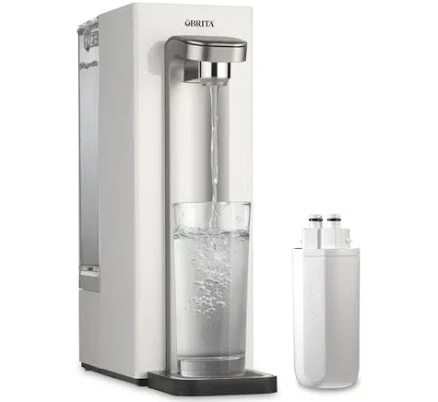
Brita Hub Countertop Water Filter System
Low risk. Standard filter materials pose lower concern despite brand silence.
This filter uses activated carbon and ion-exchange resin without documented PFAS manufacturing links. Brita hasn't disclosed PFAS information or sought third-party certification.
We flunk more products than we pass. This one earned its grade. How we grade
Material
activated carbon filter media, plastic reservoir housing
Lab data
No public lab test
You may also be interested in
Top-graded picks in the categories readers replace first, every one scored on the same rubric.

- polypropylene filter housing, carbon/sediment cartridge
- We found no PFAS statement from the brand
- Bacterial growth in spent cartridges
3 hazards checked on this product, all on its full breakdown.

Aquasure
Premier Series 75 GPD Under Sink Reverse Osmosis Water Filtration System
- RO membrane, carbon filters, stainless steel housing
- We found no PFAS statement from the brand
- Bacterial and microbial growth in housing and filters
4 hazards checked on this product, all on its full breakdown.

Avocado
Vegan Mattress
- organic cotton, natural latex, coconut coir, recycled steel coils
- The brand calls it PFAS-free, which we have not verified
- Heavy metals
2 hazards checked on this product, all on its full breakdown.
What Brita Hub Countertop Water Filter System is made of, ingredients and materials
The Brita Hub uses activated carbon filter cartridges (the standard for consumer water filters) housed in a plastic reservoir and pitcher assembly. Activated carbon is inert and effective at absorbing chlorine, odors, and some organic compounds, but the plastic enclosure matters, polypropylene or similar food-contact plastics can leach small amounts of oligomers or residual monomers, especially if water sits for days or if the system is exposed to warm conditions. The filter media itself poses minimal leaching risk if maintained properly.
What’s concerning
No PFAS disclosure
No public statement from the brand about PFAS in this product.
Plastic reservoir leachables (oligomers, residual monomers)
Polypropylene and similar food-contact plastics used in the Hub housing can release trace organic compounds into stored water, especially if water temperature rises or contact time extends beyond a few days. Risk is low under normal household conditions but increases if filter sits full and unused.
Bacterial growth in filter media and tubing
Activated carbon cartridges and internal tubing provide surfaces for microbial colonization if not replaced on schedule or if the system sits idle for extended periods. Brita does not document antimicrobial treatment of media; regular cartridge replacement and weekly flushing mitigate this.
PFAS
Activated carbon does not reliably remove PFOA, PFOS, or newer PFAS variants; Brita makes no PFAS claims. Consumers in contaminated areas who rely on this filter for PFAS reduction may be exposed if they assume it provides protection it does not offer.
Source, ATSDR ↗Mold or mildew in housing seams and spigot
Plastic pitcher and lid seams can harbor mold if not regularly cleaned and dried, particularly in humid climates. The spigot valve is a common site for biofilm buildup; manufacturer guidance on disassembly and cleaning is limited.
What’s reassuring
Base material not linked to PFAS
The main material recorded for this product is not one associated with PFAS.
Filter cartridge manufacturing residues
No documented reports of heavy metals, adhesives, or binders leaching from Brita-branded cartridges into filtered water. Cartridges are not NSF-tested for leachable metals, so trace contamination cannot be ruled out but is not on record.
How is this PFAS grade calculated?
The brand's record and disclosure
Brita does not publicly disclose testing data for PFAS in filter media or housing materials; this silence on PFAS is typical across consumer filter brands but falls short of emerging transparency norms. The company does not appear on public recall lists for leachable contamination or bacterial growth related to this model. Brita holds NSF certification for some filter claims (chlorine reduction, taste/odor) but certification does not cover PFAS or plastic leachable screening. No major safety controversies are documented for the Hub model specifically.
How it compares in its category
The Brita Hub is a mid-tier countertop filter; activated carbon is the least expensive and most common filtration media, offering good value for chlorine and sediment but not a substitute for reverse osmosis if you live in a PFAS-contaminated area. Competitors like PUR or Aqua-Pure use similar carbon cartridges in plastic housings, so leaching risk is comparable across the category. If you need PFAS removal, only reverse-osmosis or specialized ion-exchange systems target those compounds; Brita Hub does not claim PFAS removal.
If you buy it
Replace cartridges every 2-3 months or per label guidance; stale filter media can develop bacterial biofilm if water sits between uses. Do not leave filled pitcher in direct sunlight or near heat sources, as this accelerates plastic off-gassing. Empty and rinse the reservoir weekly if not in regular use; standing water in plastic can accumulate microbes and plastic leachates. Store replacement cartridges in a cool, dry place and discard opened cartridges if unused for more than a few months.
What is not known about PFAS in this product?
- Basis
- Model estimate, 68% confidence, not a lab result
- Lab test
- None on record for this exact product
- Brand statement
- Brita has made a specific claim
Formulations change between production runs, so check the current label. How we grade.
What are the PFAS-free alternatives to Brita Hub Countertop Water Filter System?
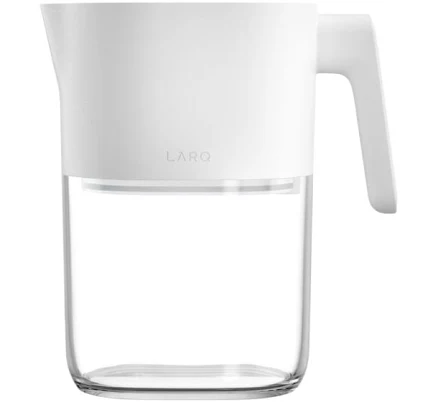
- borosilicate glass pitcher, replaceable activated carbon filter
- Bacterial growth in filter housing if unmaintained
4 hazards checked on this product, all on its full breakdown.
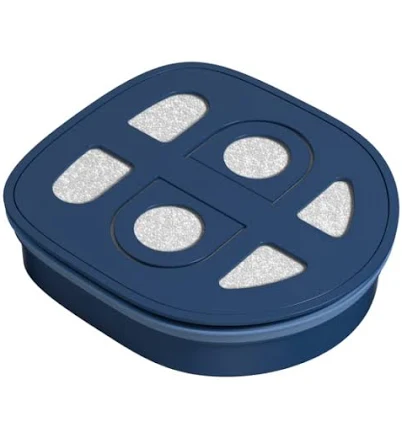
- Borosilicate glass pitcher, activated carbon filter cartridge
- Bacterial growth in filter cartridge
4 hazards checked on this product, all on its full breakdown.
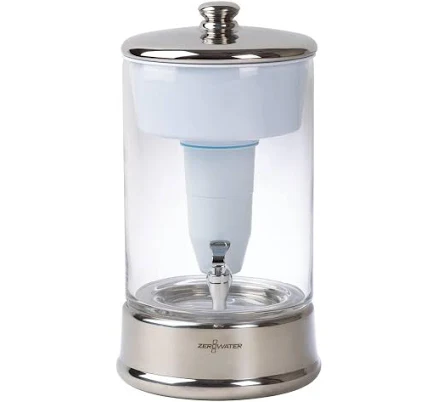
- borosilicate glass, plastic pitcher housing, ion-exchange resin cartridge
- Ion-exchange resin cartridge composition opacity
3 hazards checked on this product, all on its full breakdown.
More countertop filters grades
How we score, every product runs through the same public 0-100 rubric based on materials, coatings, brand disclosure, lab findings, and recalls. See the full methodology → Spotted a mistake? Report an error.