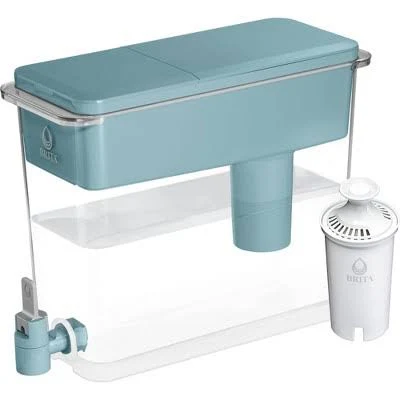
Brita UltraMax Filtered Water Dispenser
Low risk. Carbon filters avoid PFAS vectors, no brand transparency offered.
Brita UltraMax uses activated carbon filtration, which relies on physical absorption rather than Teflon-family coating coatings. The BPA-free plastic housing offers no PFAS statement.
We flunk more products than we pass. This one earned its grade. How we grade
Material
BPA-free plastic pitcher with activated carbon filter cartridge
Lab data
No public lab test
You may also be interested in
Top-graded picks in the categories readers replace first, every one scored on the same rubric.

- polypropylene filter housing, carbon/sediment cartridge
- We found no PFAS statement from the brand
- Bacterial growth in spent cartridges
3 hazards checked on this product, all on its full breakdown.

Aquasure
Premier Series 75 GPD Under Sink Reverse Osmosis Water Filtration System
- RO membrane, carbon filters, stainless steel housing
- We found no PFAS statement from the brand
- Bacterial and microbial growth in housing and filters
4 hazards checked on this product, all on its full breakdown.

Avocado
Vegan Mattress
- organic cotton, natural latex, coconut coir, recycled steel coils
- The brand calls it PFAS-free, which we have not verified
- Heavy metals
2 hazards checked on this product, all on its full breakdown.
What Brita UltraMax Filtered Water Dispenser is made of, ingredients and materials
The UltraMax pitcher body is polypropylene or similar food-grade plastic certified BPA-free by the manufacturer. The activated carbon filter cartridge contains bituminous or coconut-shell carbon, which is the industry standard for chlorine and odor removal. Polypropylene has a melting point around 130°C and is considered stable under normal cold-water storage; no phthalates or secondary plasticizers are disclosed in Brita's typical formulations. The materials are not designed for hot water and should not be used above 45°C.
What’s concerning
No PFAS disclosure
No public statement from the brand about PFAS in this product.
Bacterial growth in filter media
Activated carbon filters can accumulate bacteria if cartridges are not replaced on schedule or if pitcher is left standing with water at room temperature for extended periods. Regular replacement (per instructions) and rinsing mitigate this risk substantially.
Incomplete contaminant removal claims
Brita's standard carbon filters are certified to reduce chlorine, taste, and odor but do not claim or certify removal of PFAS, nitrates, arsenic, or lead. Consumers expecting broad water purification may be misled by the pitcher's presence; it is not a substitute for whole-house or point-of-use RO systems if those contaminants are present.
Pitcher housing durability and degradation
Polypropylene pitchers can become cloudy or brittle with age and UV exposure, especially if stored near windows or in warm kitchens. Visible crazing or discoloration may precede small leaks, though the pitcher itself is not known to leach toxins as it degrades.
What’s reassuring
Base material not linked to PFAS
The main material recorded for this product is not one associated with PFAS.
Plastic leaching (general)
Polypropylene is stable at cold-water temperatures and BPA-free formulation is confirmed by the manufacturer. No documented cases of plasticizer or monomer migration from Brita UltraMax pitchers have been reported in consumer safety databases.
Filter cartridge material leaching
Bituminous or coconut-shell activated carbon used in standard Brita filters is inert at cold temperatures. No contaminants or off-tastes from the carbon matrix itself are documented in routine use.
How is this PFAS grade calculated?
The brand's record and disclosure
Brita maintains NSF certification for its standard filter cartridges and has published product safety data sheets confirming BPA-free status since the early 2010s. The company does not voluntarily disclose PFAS testing or removal capability on the UltraMax line, a notable silence given industry movement toward transparency. No product recalls or documented leaching incidents involving the UltraMax pitcher have been recorded in FDA or CPSC databases. Brita's parent company (Tronix Holdings/Soma) has faced no major product safety lawsuits specific to this model.
How it compares in its category
The UltraMax sits in the mid-range pitcher-filter segment alongside brands like PUR and Clearly Filtered. Unlike high-end competitors, it makes no PFAS-removal claims and does not publish third-party test results for emerging contaminants. Its activated carbon cartridge is comparable in scope to PUR's standard filters but less specialized than carbon-ion-blend systems marketed for PFAS reduction. For routine chlorine/taste/odor filtration in municipal water, it performs adequately; for PFAS or heavy-metal concerns, transparency and certified testing are absent.
If you buy it
Replace filter cartridges every 2 months or 40 gallons of use, whichever comes first, to prevent bacterial biofilm growth inside carbon media. Never fill with hot or boiling water; cold tap water only. Do not store filled pitcher in direct sunlight, as UV exposure can degrade the plastic over extended periods. If your municipal water report shows elevated PFAS, chlorine-resistant chemicals, or heavy metals, consider pairing this pitcher with point-of-entry filtration or requesting an NSF-certified PFAS filter cartridge upgrade from Brita, if available in your region.
What is not known about PFAS in this product?
- Basis
- Model estimate, 72% confidence, not a lab result
- Lab test
- None on record for this exact product
- Brand statement
- Brita has made a specific claim
Formulations change between production runs, so check the current label. How we grade.
What are the PFAS-free alternatives to Brita UltraMax Filtered Water Dispenser?
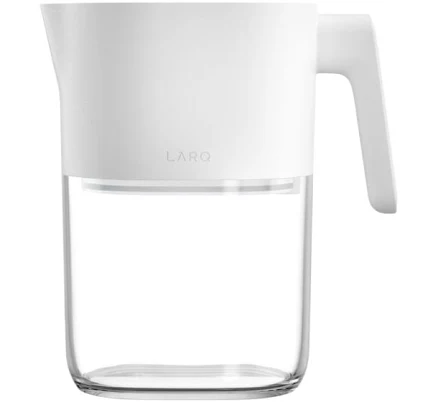
- borosilicate glass pitcher, replaceable activated carbon filter
- Bacterial growth in filter housing if unmaintained
4 hazards checked on this product, all on its full breakdown.
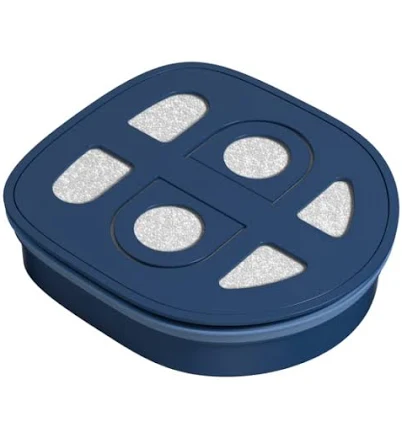
- Borosilicate glass pitcher, activated carbon filter cartridge
- Bacterial growth in filter cartridge
4 hazards checked on this product, all on its full breakdown.
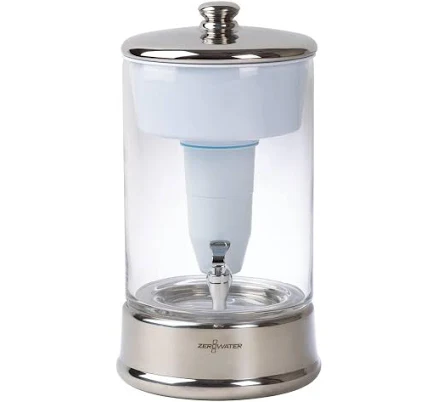
- borosilicate glass, plastic pitcher housing, ion-exchange resin cartridge
- Ion-exchange resin cartridge composition opacity
3 hazards checked on this product, all on its full breakdown.
More countertop filters grades
How we score, every product runs through the same public 0-100 rubric based on materials, coatings, brand disclosure, lab findings, and recalls. See the full methodology → Spotted a mistake? Report an error.