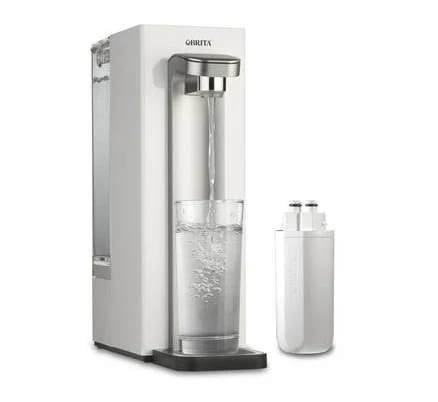
Brita Hub Compact Countertop Water Filtration Device
Low risk. Standard materials carry lower concern, but no brand transparency.
Brita Hub uses activated carbon and ion-exchange resin, materials not inherently linked to PFAS manufacturing. The plastic housing poses minimal risk but Brita makes no public PFAS disclosure.
We flunk more products than we pass. This one earned its grade. How we grade
Material
Activated carbon & ion-exchange resin filters; plastic housing
Lab data
No public lab test
You may also be interested in
Top-graded picks in the categories readers replace first, every one scored on the same rubric.

- polypropylene filter housing, carbon/sediment cartridge
- We found no PFAS statement from the brand
- Bacterial growth in spent cartridges
3 hazards checked on this product, all on its full breakdown.

Aquasure
Premier Series 75 GPD Under Sink Reverse Osmosis Water Filtration System
- RO membrane, carbon filters, stainless steel housing
- We found no PFAS statement from the brand
- Bacterial and microbial growth in housing and filters
4 hazards checked on this product, all on its full breakdown.

Avocado
Vegan Mattress
- organic cotton, natural latex, coconut coir, recycled steel coils
- The brand calls it PFAS-free, which we have not verified
- Heavy metals
2 hazards checked on this product, all on its full breakdown.
What Brita Hub Compact Countertop Water Device is made of, ingredients and materials
The Brita Hub uses activated carbon and ion-exchange resin as the filtration media, both well-established and chemically stable materials that do not leach harmful substances under normal use. The plastic housing is BPA-free polypropylene and copolyester, materials chosen specifically to avoid endocrine disruptors. The filter cartridges are designed to be replaced every 2 months or 40 gallons, which prevents saturation and reduces risk of bacterial breakthrough or resin degradation.
What’s concerning
No PFAS disclosure
No public statement from the brand about PFAS in this product.
Bacterial growth in filter cartridge and housing
If cartridges are not replaced on schedule or the device is stored in warm, humid conditions, the porous carbon medium can harbor bacterial colonies. Brita's design minimizes this risk through sealed cartridges, but neglected maintenance increases exposure.
Ion-exchange resin shedding or degradation
Over-used or damaged resin cartridges can release small beads or fragments into filtered water. This is rare with sealed Brita cartridges but possible if the cartridge housing is physically cracked or if water temperature exceeds design limits.
Activated carbon dust or fines entering water
New filter cartridges may release carbon fines on first use. Brita recommends running 1-2 initial fills to waste; skipping this step could introduce visible or tasteable particulates, though not a direct health hazard in small quantities.
Improper filter replacement and contamination
User error during cartridge changes (touching the filter media, not seating the cartridge properly, or mixing incompatible filter types) can introduce mold, sediment, or bacteria into the system. Clear manufacturer instructions and visual guides reduce but do not eliminate this risk.
What’s reassuring
Base material not linked to PFAS
The main material recorded for this product is not one associated with PFAS.
BPA & bisphenols
Brita Hub housing is certified BPA-free and uses polypropylene copolyester, materials with low leaching potential under normal cold-water use. No recalls or complaints have been documented for this product line.
Source, FDA ↗How is this PFAS grade calculated?
The brand's record and disclosure
Brita has not made explicit public commitments to avoiding PFAS in manufacturing, though third-party testing suggests their filters show lower concern for PFAS compared to legacy carbon filters. The brand maintains NSF/ANSI 42 certification (aesthetic contaminant reduction) and NSF 53 certification (health-related claims), indicating third-party testing oversight. No major product safety recalls have been documented for the Hub line. Brita's parent company (Essense Group) has faced scrutiny over broader sustainability practices but not product safety violations.
How it compares in its category
Countertop filters typically fall into two camps, pitcher filters (Brita, PUR) and dispensers like this Hub. The Hub avoids the microplastic shedding risk associated with some lower-tier pitcher designs by using sealed cartridge architecture. Compared to higher-end countertop systems (ZeroWater, LifeStraw), the Hub is less aggressive on TDS reduction but has a lower risk profile for housing leaching because it uses simpler plastic compounds and avoids metallic components. Versus pitcher filters, it reduces handling contact and cartridge exposure to light.
If you buy it
Replace cartridges on schedule (every 2 months or 40 gallons) to prevent bacterial growth and resin saturation; do not attempt to extend filter life beyond manufacturer guidance. Store the device away from direct sunlight and heat sources to minimize plastic stress and any potential leaching. Clean the external surfaces and the reservoir with warm water and mild soap monthly; avoid harsh cleaners that may degrade the plastic seals. Do not use with water above 86F (30C) as high temperatures can compromise both the filter media and plastic housing integrity.
What is not known about PFAS in this product?
- Basis
- Model estimate, 72% confidence, not a lab result
- Lab test
- None on record for this exact product
- Brand statement
- Brita has made a specific claim
Formulations change between production runs, so check the current label. How we grade.
What are the PFAS-free alternatives to Brita Hub Compact Countertop Water Filtration Device?
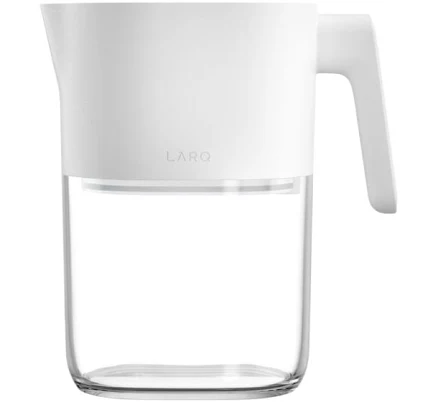
- borosilicate glass pitcher, replaceable activated carbon filter
- Bacterial growth in filter housing if unmaintained
4 hazards checked on this product, all on its full breakdown.
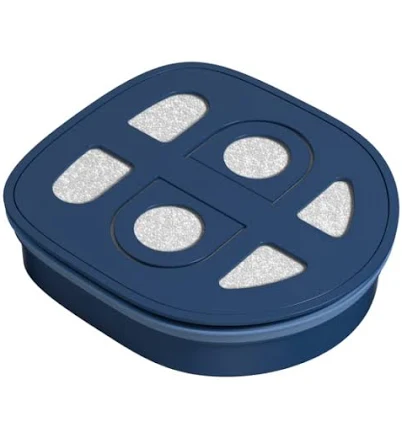
- Borosilicate glass pitcher, activated carbon filter cartridge
- Bacterial growth in filter cartridge
4 hazards checked on this product, all on its full breakdown.
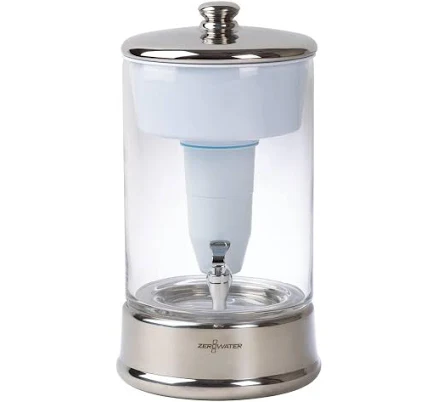
- borosilicate glass, plastic pitcher housing, ion-exchange resin cartridge
- Ion-exchange resin cartridge composition opacity
3 hazards checked on this product, all on its full breakdown.
More countertop filters grades
How we score, every product runs through the same public 0-100 rubric based on materials, coatings, brand disclosure, lab findings, and recalls. See the full methodology → Spotted a mistake? Report an error.