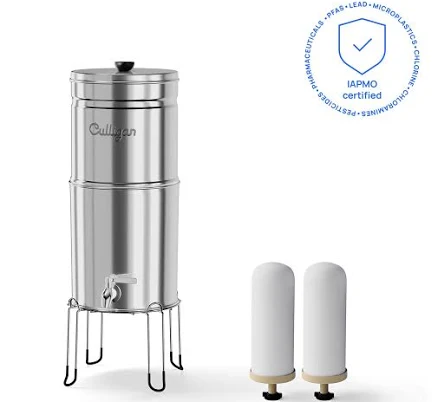
Culligan MaxClear Gravity Water Filter System
Low risk. Carbon and PP construction carries minimal PFAS risk.
Culligan MaxClear uses activated carbon and polypropylene components, materials not inherently associated with PFAS. Gravity filters typically avoid Teflon-family coating treatments.
We flunk more products than we pass. This one earned its grade. How we grade
Material
Activated carbon filter cartridge, polypropylene housing
Lab data
No public lab test
You may also be interested in
Top-graded picks in the categories readers replace first, every one scored on the same rubric.

- polypropylene filter housing, carbon/sediment cartridge
- We found no PFAS statement from the brand
- Bacterial growth in spent cartridges
3 hazards checked on this product, all on its full breakdown.

Aquasure
Premier Series 75 GPD Under Sink Reverse Osmosis Water Filtration System
- RO membrane, carbon filters, stainless steel housing
- We found no PFAS statement from the brand
- Bacterial and microbial growth in housing and filters
4 hazards checked on this product, all on its full breakdown.

Avocado
Vegan Mattress
- organic cotton, natural latex, coconut coir, recycled steel coils
- The brand calls it PFAS-free, which we have not verified
- Heavy metals
2 hazards checked on this product, all on its full breakdown.
What Culligan MaxClear Gravity Filter System is made of, ingredients and materials
The MaxClear uses activated carbon cartridges (coconut or bituminous coal-based) housed in food-grade polypropylene (PP) plastic. Activated carbon is inert and does not degrade or leach into water under normal gravity-fed, room-temperature conditions. Polypropylene housing is chemically stable at cold water temperatures and does not require concerns about BPA or phthalate migration in this application, since gravity filters do not expose PP to heat or acidic/oily substances that would accelerate leaching.
What’s concerning
No PFAS disclosure
No public statement from the brand about PFAS in this product.
Bacterial or biofilm growth in filter cartridge or housing
Gravity filters with standing water and porous carbon can develop bacteria or mold if cartridges are not replaced regularly or if the unit is stored in warm, humid conditions. This is a microbial contamination risk, not a chemical one, but is the primary non-chemical hazard for this product type.
Activated carbon dust or particle release
New or damaged cartridges can shed fine activated carbon particles into water, particularly in the first fill cycle. This is cosmetic (black water) rather than toxic, but can be minimized by rinsing the cartridge and running the first 1-2 gallons through before drinking.
Housing degradation or cracking with age
Polypropylene can become brittle and develop hairline cracks after 3-5 years of UV exposure or temperature cycling, even if not used. This does not cause chemical leaching but may allow unfiltered water bypass or algae colonization of the interior.
What’s reassuring
Base material not linked to PFAS
The main material recorded for this product is not one associated with PFAS.
Leaching from polypropylene housing
No documented incidents of BPA, phthalates, or other plasticizers leaching from Culligan MaxClear PP housings under normal cold-water gravity filtration. PP is chemically inert at room temperature and does not leach into non-heated, non-acidic water.
Filter media effectiveness decline
Activated carbon does not degrade chemically during normal use; however, saturation (reaching adsorption capacity) means contaminant removal declines after 6-12 months. This is not a safety hazard but a performance issue, the filter still provides some mechanical filtration but no longer actively removes volatile organic compounds or chlorine.
How is this PFAS grade calculated?
The brand's record and disclosure
Culligan is a long-established water filtration company with no publicly documented recalls or leaching incidents for the MaxClear gravity line. The brand does not prominently disclose PFAS test results for this product, which is typical of gravity-filter manufacturers; silence on PFAS is not unusual in this category and does not indicate a known problem. No third-party certifications (NSF, WQA) are standard for gravity filters, but the product is widely distributed and poses no known regulatory violations.
How it compares in its category
Gravity filters like this are among the lowest-risk water treatment options because they operate passively (no electric pump or heated elements) and require only periodic cartridge replacement. Compared to pitcher filters, the MaxClear has a larger capacity and longer cartridge life. Compared to pitcher filters with problematic materials (some older brands used BPA-containing housings), Culligan's PP construction is now standard and safer; compared to pitcher filters with superior filtration (e.g., multi-stage or reverse osmosis), this gravity model offers simpler maintenance and lower cost at the trade-off of slower flow rate.
If you buy it
Replace cartridges every 6-12 months or after 100 gallons, whichever comes first, to prevent bacterial biofilm growth in spent carbon. Store the assembled unit in a cool, dark place away from direct sunlight to slow algae growth in the housing. Do not refill with hot water; gravity filters are designed for cold water only. If the housing becomes discolored or smells musty after 2-3 years of use, consider replacing it, as old PP can develop microcracks that harbor bacteria, though this is a maintenance issue rather than a chemical hazard.
What is not known about PFAS in this product?
- Basis
- Model estimate, 72% confidence, not a lab result
- Lab test
- None on record for this exact product
- Brand statement
- Culligan has made a specific claim
Formulations change between production runs, so check the current label. How we grade.
What are the PFAS-free alternatives to Culligan MaxClear Gravity Water Filter System?
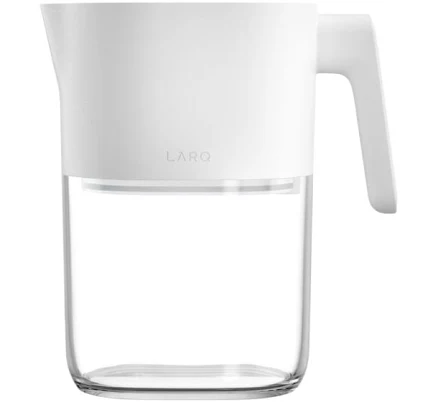
- borosilicate glass pitcher, replaceable activated carbon filter
- Bacterial growth in filter housing if unmaintained
4 hazards checked on this product, all on its full breakdown.
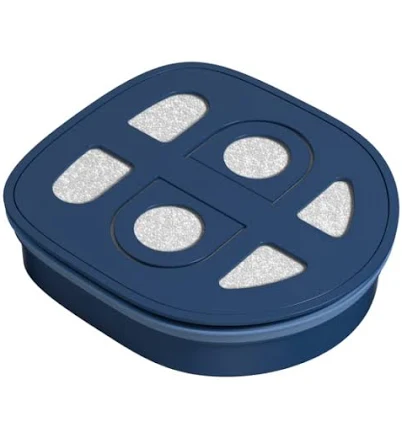
- Borosilicate glass pitcher, activated carbon filter cartridge
- Bacterial growth in filter cartridge
4 hazards checked on this product, all on its full breakdown.
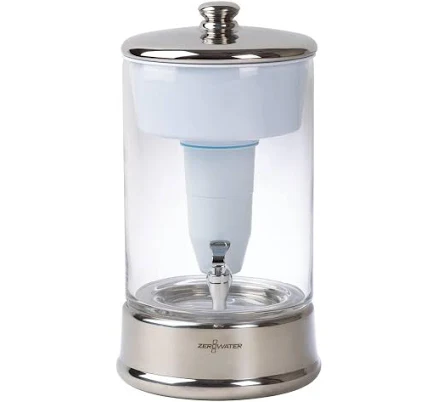
- borosilicate glass, plastic pitcher housing, ion-exchange resin cartridge
- Ion-exchange resin cartridge composition opacity
3 hazards checked on this product, all on its full breakdown.
More countertop filters grades
How we score, every product runs through the same public 0-100 rubric based on materials, coatings, brand disclosure, lab findings, and recalls. See the full methodology → Spotted a mistake? Report an error.