Li-Ning · Running & Athletic Shoes
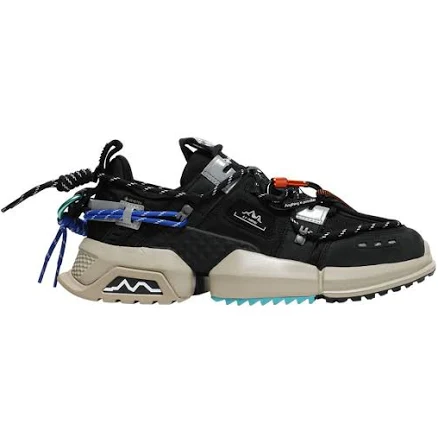
Men's Li-Ning Titan GTX
GTX membrane likely contains PFAS; brand discloses nothing about it.
Li-Ning Titan GTX is a waterproof athletic shoe featuring Gore-Tex membrane, which typically relies on PFAS-based water-repellent coating treatments. No public PFAS disclosure or testing available from the brand.
Still want this one anyway? Check the price on Amazon. We’d swap it.
Material
Synthetic textile with GTX waterproof membrane
Brand disclosure
Brand is silent on PFAS
Lab data
No public lab test
What Men's Li-Ning Titan GTX is made of, ingredients and materials
The Titan GTX uses a synthetic textile upper (likely polyester or nylon blend) bonded to a Gore-Tex waterproof membrane. Gore-Tex membranes historically rely on Teflon-type coating (polytetrafluoroethylene) chemistry, which requires fluorinated surfactants or binders to function, a primary source of PFAS in waterproof apparel. The synthetic shell itself may contain azo dyes, flame retardants, or antimony trioxide (a polyester processing catalyst), depending on dyeing and finishing protocols Li-Ning has not publicly disclosed.
What’s concerning
Waterproof / stain-resistant treatment
Water-repellent coating treatments have historically used PFAS.
Category baseline
The starting point for this type of product, before anything specific to this product is counted.
No PFAS disclosure
No public statement from the brand about PFAS in this product.
PFAS
Dry cleaning at very high temperatures or accidental exposure to direct flame could theoretically decompose Teflon-type coating in the GTX membrane and release volatile organic compounds. This is not a normal-use hazard but worth avoiding with high-heat processes.
Source, ATSDR ↗Azo dyes
Synthetic sportswear commonly uses azo dyes in polyester and nylon uppers. While regulated in the EU, some azo dyes can break down to release carcinogenic amines. Li-Ning does not publicly certify compliance with Oeko-Tex or EU restrictions on 24 prohibited azo dyes.
Antimony trioxide in polyester
Polyester finishes sometimes use antimony as a polymerization catalyst or flame retardant. Levels in finished textiles are generally low, but extended skin contact with treated synthetics at elevated temperatures can theoretically increase dermal uptake. No specific testing of Li-Ning Titan GTX for antimony is on record.
Microfiber shedding from degraded coating
Over time and with washing, the GTX membrane can delaminate or pill, releasing microfibers into water. This is a known issue with all membrane-bonded jackets, not unique to Li-Ning, but increases with poor care or age. Extent of PFAS particle shedding during breakdown is not separately quantified for this product.
What’s reassuring
Formaldehyde / VOCs
While waterproof membranes do not typically require formaldehyde cross-linking, the synthetic shell may have been treated with wrinkle-resistance or durability resins. No formaldehyde violations or warnings are documented for Li-Ning apparel, but the brand provides no finish-chemistry transparency.
Source, ATSDR ↗The full breakdown
The brand's record and disclosure
Li-Ning, a Chinese sportswear manufacturer, has not published detailed material safety certifications, restricted substance lists, or PFAS phase-out commitments as of public record. The brand does not disclose whether its GTX products meet Bluesign or similar independent textile chemistry standards. This silence on PFAS and synthetic finish composition stands in contrast to competitors like Salomon and Arc'teryx, which have begun labeling PFAS content or transitioning to alternative membranes.
How it compares in its category
Men's waterproof hiking and technical apparel universally grapple with PFAS in membranes; Li-Ning's Titan GTX is not exceptional in this regard. However, many established European and North American brands now offer transparency statements or are moving toward PFAS-free membranes (e.g., eVent, Polartec NeoShell). Li-Ning's lack of disclosure makes it harder to assess whether this product is being phased toward lower concern chemistry or remains locked in traditional PFAS-reliant design.
If you buy it
Wash infrequently in cool water and avoid commercial laundry detergents with heavy surfactants, as these can degrade the membrane and increase PFAS shedding into wastewater. Do not tumble dry or expose to high heat (above 60C), as this accelerates membrane breakdown and potential microfiber and PFAS particle release. Avoid applying aftermarket water repellents or conditioning treatments, which often add additional fluorochemicals. Inspect seams and coating annually; once the membrane delaminates or pilling begins, the garment's integrity is compromised and replacement is prudent.
What we don’t know
- Basis
- Model estimate, 35% confidence, not a lab result
- Lab test
- None on record for this exact product
- Brand statement
- Li-Ning has made none
Formulations change between production runs, so check the current label. How we grade.
Better-graded alternatives in Running & Athletic Shoes
Converse
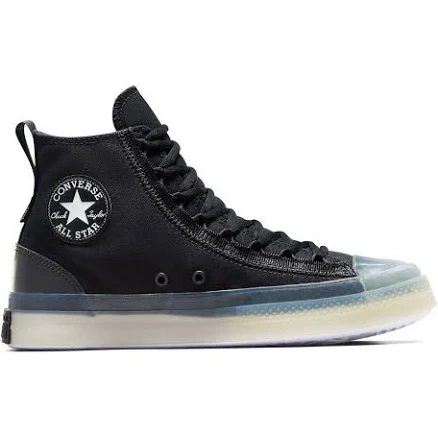
Chuck Taylor All Star Cx Exp2 4.5 Men A07199C
- Canvas upper, rubber sole
- We found no PFAS statement from the brand
- Azo dyes in canvas
2 hazards checked on this product. See all of them.
Converse
Run Star Trainer
- Canvas, rubber sole
- We found no PFAS statement from the brand
- Azo dyes and synthetic dyes
4 hazards checked on this product. See all of them.
New Balance
Women's Fresh Foam Arishi v4 Shoes
- Mesh upper, Fresh Foam midsole, rubber outsole
- We found no PFAS statement from the brand
- Azo dyes and color-based toxins
2 hazards checked on this product. See all of them.
More running & athletic shoes grades
How we score, every product runs through the same public 0-100 rubric based on materials, coatings, brand disclosure, lab findings, and recalls. See the full methodology → Spotted a mistake? Report an error.