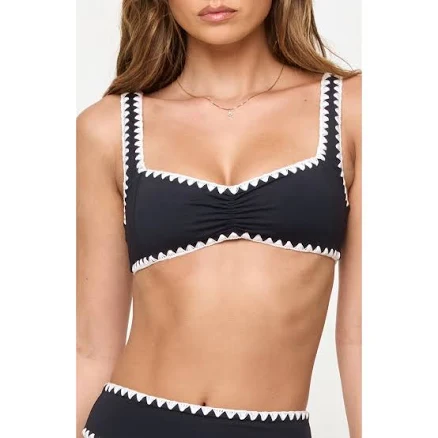
L*Space Effie Bikini Top Women's
Lower-concern swim apparel; no synthetic water-repellent treatment implies reduced PFAS risk.
L*Space's Effie bikini top is a basic nylon/spandex blend with no publicly disclosed water-repellent or stain-resistant finish. The brand makes no PFAS claims either way.
The better-graded swap
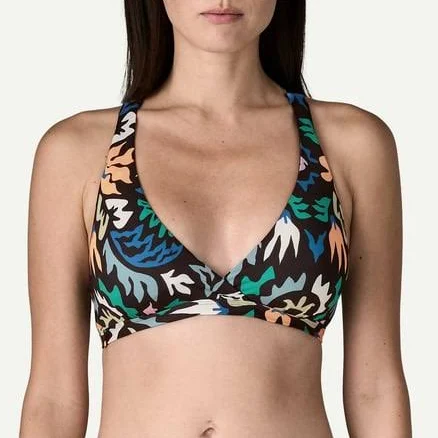
Patagonia
Patagonia Women's Bottom Turn Racerback Bikini Top
90/100 safety
Same rubric that flunked this product. The swap earned Excellent.
Still want this one anyway? Check the price on Amazon. We’d swap it.
Material
nylon/spandex blend swim fabric
Brand disclosure
Brand is silent on PFAS
Lab data
No public lab test
What L*Space Effie Bikini Top Women's is made of, ingredients and materials
The Effie top is constructed from a nylon and spandex (elastane) blend, the industry standard for swimwear. Nylon provides durability and chlorine resistance; spandex adds stretch and shape retention. This blend does not typically include water-repellent coating (water-repellent coating) treatments that would introduce PFAS, and neither nylon nor spandex themselves are sources of bioaccumulative fluorinated compounds. The absence of a water-resistant finish is a safety advantage in this category.
What’s concerning
Category baseline
The starting point for this type of product, before anything specific to this product is counted.
No PFAS disclosure
No public statement from the brand about PFAS in this product.
Azo dyes in synthetic colorants
Nylon swimwear is typically piece-dyed with reactive or acid dyes. Azo dyes are standard in this process but are regulated in the EU and US for specific carcinogenic metabolites. No recall or hazard notice has been issued for Lspace products, and direct skin exposure risk from fugitive dyes in rinsed, finished fabric is low.
Spandex degradation and microfiber shedding
Spandex elastane fibers degrade with chlorine exposure, UV light, and repeated washing, releasing microfibers into water. This is a material-class issue, not brand-specific; all nylon/spandex swimwear sheds microplastics over time. The Effie is subject to the same wear profile as competitors.
Formaldehyde / VOCs
Swimwear may be finished with formaldehyde-releasing resins for wrinkle resistance or shape holding, though this is more common in cotton-blend apparel. Nylon/spandex blends rarely require such finishes. If present, residual formaldehyde is substantially removed by the first rinse; skin contact risk is minimal in a rinsed, finished garment.
Source, ATSDR ↗Allergen sensitization from dye or finish residuals
Individuals with sensitive skin or dye allergies may experience irritation from residual dyes or finishing chemicals, particularly on first wear. This is not unique to Lspace and affects all dyed synthetic swimwear. A pre-wear rinse and patch test on a small area of skin can mitigate this risk.
What’s reassuring
Base material not linked to PFAS
The main material recorded for this product is not one associated with PFAS.
Heavy metals
No safety alert or recall on record implicates lead, cadmium, or other heavy metals in Lspace swimwear dyes or pigments. Synthetic organic dyes in mainstream swimwear are seldom contaminated with metals; this hazard is more relevant to budget or imported dyed textiles lacking third-party oversight.
Source, FDA ↗The full breakdown
The brand's record and disclosure
Lspace does not publicly disclose material sourcing, manufacturing certifications, or chemical-use policies on their website or in accessible documentation. The brand has no known recalls, lawsuits, or safety violations on record involving this product line. Without active transparency on dye chemistry, finishing processes, or supplier audits, independent verification of chemical hazards is limited; this reflects industry-wide opacity rather than a specific red flag.
How it compares in its category
Most mid-market swimwear brands (Lspace, ASOS, Target) use identical nylon/spandex blends without water-repellent coating coatings. Premium brands (Summersalt, Andie) may offer more detailed chemical disclosure. Fast-fashion swimwear sometimes includes heavier coatings and dyes with higher contamination risk. The Effie is compositionally typical and carries no distinguishing safety disadvantage versus peers.
If you buy it
Rinse thoroughly in fresh water after each wear and chlorine exposure to remove residual chemicals and extend fabric life. Wash in cool water with mild detergent; avoid bleach and high heat, which can degrade spandex elasticity. Air dry flat or hang; do not machine dry. Replace when elasticity visibly declines (typically 1-2 years with regular use), as weakened fabric may pill or tear. Store in a cool, dry place away from direct sunlight to slow UV degradation.
What we don’t know
- Basis
- Model estimate, 72% confidence, not a lab result
- Lab test
- None on record for this exact product
- Brand statement
- Lspace has made none
Formulations change between production runs, so check the current label. How we grade.
Better-graded alternatives in Swimwear
Patagonia
Women's Bottom Turn Racerback Bikini Top
- Nylon/polyester blend with elastane (standard swimwear)
- The brand calls it PFAS-free, which we have not verified
- Elastane (spandex) degradation under heat or chlorine
More swimwear grades
How we score, every product runs through the same public 0-100 rubric based on materials, coatings, brand disclosure, lab findings, and recalls. See the full methodology → Spotted a mistake? Report an error.