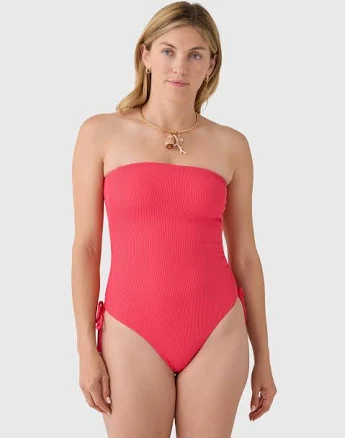
L*Space Elise One Piece Swimsuit
Lower concern baseline; standard swimwear without obvious water-repellent coating flag, but brand silence on PFAS is typical.
L*Space doesn't publicly disclose PFAS or water-repellent coating treatment details for this swimsuit. Most conventional one-piece swimwear uses nylon/spandex blends without added water-repellent finishes.
The better-graded swap
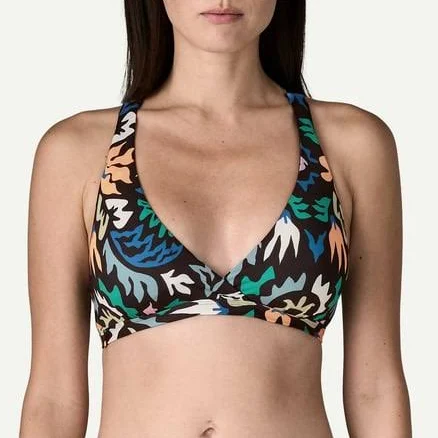
Patagonia
Patagonia Women's Bottom Turn Racerback Bikini Top
90/100 safety
Same rubric that flunked this product. The swap earned Excellent.
Still want this one anyway? Check the price on Amazon. We’d swap it.
Material
nylon/polyester blend (typical swimwear)
Brand disclosure
Brand is silent on PFAS
Lab data
No public lab test
What L*Space Elise One Piece Swimsuit is made of, ingredients and materials
The Elise is a nylon and polyester blend typical of contemporary one-piece swimsuits. This synthetic pairing is chosen for stretch, chlorine resistance, and durability in wet environments. Neither nylon nor polyester inherently leach toxic substances into skin or water under normal swimming conditions, though degradation over time (pilling, fiber shedding) is cosmetic rather than a chemical hazard. The blend is chemically stable in chlorine and saltwater, which is why it dominates the category.
What’s concerning
Category baseline
The starting point for this type of product, before anything specific to this product is counted.
No PFAS disclosure
No public statement from the brand about PFAS in this product.
Azo dyes and colorfast stability
Nylon and polyester in swimwear typically use disperse or reactive dyes. No specific testing or complaints are on record for L*Space Elise, but azo dyes can release aromatic amines if the garment is exposed to prolonged heat or harsh detergents beyond normal care. Adherence to cool-water care mitigates this low-probability risk.
Microfiber shedding from wear
Nylon and polyester swimsuits shed microfibers into pool and ocean water with normal use, particularly as elastic degrades. This is a material-class issue, not brand-specific, and affects all synthetic swimwear similarly. Replacement every 1-2 years reduces accumulated shedding.
What’s reassuring
Base material not linked to PFAS
The main material recorded for this product is not one associated with PFAS.
Elastic degradation and contact dermatitis
Spandex/elastane in the waistband and leg openings is chemically stable against skin contact under normal conditions. No recalls or skin reaction reports are documented for this product. Degraded elastic fraying presents a minor mechanical irritation risk but not a chemical hazard.
Chlorine retention in fibers
Nylon and polyester do not absorb or trap residual chlorine in concentrations that pose skin irritation or off-gassing risk. Rinsing after pool use removes surface chlorine and is standard care practice across all swimwear.
Heavy metals
No testing or complaints documenting lead, cadmium, or restricted azo dyes in L*Space products are on public record. Mainstream US swimwear manufacturing is subject to voluntary compliance with CPSIA limits, though this brand does not publicly certify compliance.
Source, FDA ↗The full breakdown
The brand's record and disclosure
L*Space does not publicly disclose material testing, chemical certifications (Oeko-Tex, GOTS), or PFAS mitigation strategies on available product pages. The brand has no known recalls or chemical controversy on public record for this product line. Silence on PFAS and dye safety is typical across mainstream swimwear brands and does not indicate a specific risk, but limits transparency for consumers seeking deeper assurance on finish treatments.
How it compares in its category
Mainstream one-piece swimsuits are nearly universally nylon/polyester blends with similar chemical profiles. L*Space is mid-market pricing; alternatives range from fast-fashion (H&M, Target) with identical material risk profiles to premium eco-certified brands (Girlfriend Collective, Aerie) that disclose Oeko-Tex or recycled fiber sourcing. This product occupies the standard-safety tier, no documented hazard advantage or disadvantage versus category peers.
If you buy it
Rinse immediately after chlorine or salt exposure to remove residual chemicals and extend fabric life. Wash in cool water, lay flat to dry, and avoid direct heat (dryers, radiators), which can degrade elastic and synthetic fibers prematurely. Replace when elastic fails noticeably or seams separate, typically 1-2 years of regular use. Do not bleach; chlorine in pool water is sufficient and bleach accelerates fiber breakdown.
What we don’t know
- Basis
- Model estimate, 62% confidence, not a lab result
- Lab test
- None on record for this exact product
- Brand statement
- Lspace has made none
Formulations change between production runs, so check the current label. How we grade.
Better-graded alternatives in Swimwear
Patagonia
Women's Bottom Turn Racerback Bikini Top
- Nylon/polyester blend with elastane (standard swimwear)
- The brand calls it PFAS-free, which we have not verified
- Elastane (spandex) degradation under heat or chlorine
More swimwear grades
How we score, every product runs through the same public 0-100 rubric based on materials, coatings, brand disclosure, lab findings, and recalls. See the full methodology → Spotted a mistake? Report an error.