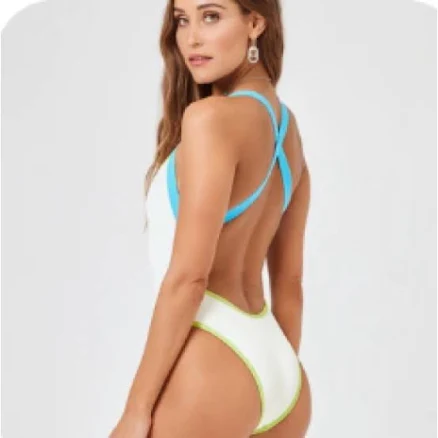
L*Space Swim L*Space Ribbed Baewatch One Piece Swimsuit
Lower-concern baseline; no PFAS red flags, but no transparency, ask the brand if worried.
L*Space's ribbed one-piece is a standard nylon/polyamide swimsuit with no documented water-repellent or stain-resistant treatment. The brand offers no public disclosure on PFAS or water-repellent coating chemistry.
The better-graded swap
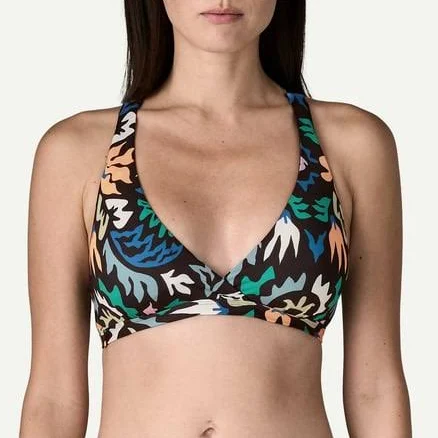
Patagonia
Patagonia Women's Bottom Turn Racerback Bikini Top
90/100 safety
Same rubric that flunked this product. The swap earned Excellent.
Still want this one anyway? Check the price on Amazon. We’d swap it.
Material
Nylon/polyamide blend (ribbed knit swimsuit)
Brand disclosure
Brand is silent on PFAS
Lab data
No public lab test
What L*Space Swim L*Space Ribbed Baewatch One is made of, ingredients and materials
This swimsuit is a nylon/polyamide blend knit, a standard synthetic polymer widely used in swimwear for stretch, durability, and chlorine resistance. Nylon itself is chemically stable when worn against skin and does not leach monomers or plasticizers at body temperature or in typical pool/saltwater environments. The ribbed knit construction is a mechanical property (texture) and does not introduce additional chemical hazards beyond the base polymer.
What’s concerning
Category baseline
The starting point for this type of product, before anything specific to this product is counted.
No PFAS disclosure
No public statement from the brand about PFAS in this product.
Azo dyes and color-fastness
Nylon swimwear typically uses acid or disperse dyes; azo dyes are permitted in textiles but some formulations may contain restricted azo compounds. L*Space does not disclose dye standards. Fading in chlorine/sun is cosmetic, not a health indicator. No recalls or sensitization reports specific to this brand.
Microplastic shedding
Nylon fibers can shed microplastics in washing, as with most synthetic textiles; this is an environmental hazard, not a direct health hazard to the wearer. Minimize shedding by using a wash bag and cold water cycles, but complete prevention is not feasible with synthetic swimwear.
Allergic sensitization or skin irritation from dyes or finishes
Rare but documented in sensitive individuals exposed to acid or disperse dyes in swimwear; L*Space has no public incidents on record. Prewash new swimwear and observe for itching or rashes on first wear if you have dye-sensitive skin.
What’s reassuring
Base material not linked to PFAS
The main material recorded for this product is not one associated with PFAS.
Formaldehyde / VOCs
Industrial nylon knitwear may use formaldehyde-based resins for shape-setting or wrinkle resistance, but swimwear typically avoids these finishes due to frequent water exposure and skin contact. No formaldehyde concerns have been documented for this product or similar L*Space items.
Source, ATSDR ↗Antimony in polyester (not applicable here)
This product is nylon-based, not polyester, so antimony catalyst residues are not a concern. Nylon manufacturing does not rely on antimony trioxide catalysts.
The full breakdown
The brand's record and disclosure
LSpace has no widely documented chemical disclosure statements or certifications (e.g., OEKO-TEX, bluesign) on record for this product line, and the brand does not publicly communicate PFAS testing or mitigation. No major recalls or chemical contamination incidents have been reported for LSpace swimwear. The lack of transparency is typical for mid-tier swim brands and does not indicate a problem, only an absence of proactive communication.
How it compares in its category
Nylon swimwear is one of the most common and chemically benign swimsuit materials on the market; alternatives like polyester or spandex-heavy blends carry similar or slightly higher theoretical hazard profiles. High-end certified options (OEKO-TEX, bluesign-labeled) offer greater assurance but at higher cost and not necessarily lower chemical risk for this garment type. L*Space sits in the mainstream mass-market segment with no distinguishing safety advantage or disadvantage.
If you buy it
Rinse with fresh water after each use (chlorine and salt can degrade fibers and dyes over time, though not a health hazard). Wash in cool water with mild detergent; avoid bleach and high heat. Store dry and avoid prolonged direct sunlight, which can fade dyes but does not create chemical release. Replace when elasticity visibly degrades (typically 2-3 years of regular use), not for chemical safety reasons but for function.
What we don’t know
- Basis
- Model estimate, 62% confidence, not a lab result
- Lab test
- None on record for this exact product
- Brand statement
- Lspace has made none
Formulations change between production runs, so check the current label. How we grade.
Better-graded alternatives in Swimwear
Patagonia
Women's Bottom Turn Racerback Bikini Top
- Nylon/polyester blend with elastane (standard swimwear)
- The brand calls it PFAS-free, which we have not verified
- Elastane (spandex) degradation under heat or chlorine
More swimwear grades
How we score, every product runs through the same public 0-100 rubric based on materials, coatings, brand disclosure, lab findings, and recalls. See the full methodology → Spotted a mistake? Report an error.