
LSPACE Women's Piper Keyhole One-Piece Swimsuit
Lower concern for basic swimsuit; standard nylon/polyester typically doesn't require water-repellent coating treatment, but brand silence is unremarkable.
LSPACE's Piper one-piece is made from conventional nylon/polyester swim fabric, which carries lower PFAS risk compared to outdoor apparel requiring water-repellent coating coatings. The brand doesn't claim PFAS-free status or disclose chemical treatments.
The better-graded swap
Patagonia
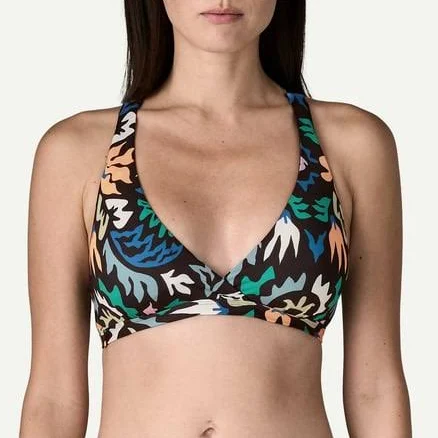
Patagonia Women's Bottom Turn Racerback Bikini Top
90/100 safety
Same rubric that flunked this product. The swap earned Excellent.
Still want this one anyway? Check the price on Amazon. We’d swap it.
Material
nylon/polyester blend (standard swimwear)
Brand disclosure
Brand is silent on PFAS
Lab data
No public lab test
What LSPACE Women's Piper Keyhole One-Piece is made of, ingredients and materials
This swimsuit is a nylon/polyester blend, the industry standard for one-piece swim apparel. Nylon and polyester are synthetic polymers chosen for chlorine resistance, stretch recovery, and durability in wet environments. Neither material requires fluorocarbon water-repellent (water-repellent coating) treatment in basic swimwear, so PFAS use is unlikely unless applied for a specific performance finish, which is not typical for casual swimsuits. The blend itself is chemically stable and does not leach into water or skin under normal swimming conditions.
What’s concerning
Category baseline
The starting point for this type of product, before anything specific to this product is counted.
No PFAS disclosure
No public statement from the brand about PFAS in this product.
Formaldehyde / VOCs
Polyester and nylon may be treated with formaldehyde-releasing resins during manufacturing to improve dye retention or reduce shrinkage. No specific treatment record exists for this Lspace product, but it is a common industry practice for synthetic swimwear. Residual formaldehyde is typically minimal after manufacturing and rinsing, but sensitive individuals may experience skin irritation on first
Source, ATSDR ↗Azo dyes and color fastness
The Piper design is available in multiple colors; synthetic dyes used in nylon/polyester production may include azo compounds, some of which are restricted in EU textiles but still used in US manufacturing. Color bleeding into water or skin is a sign of poor dye fixation, which increases exposure risk. Lspace does not disclose dye sourcing or azo restrictions on product labels or websites.
Degradation and microplastic shedding
Nylon and polyester fibers shed microplastics when abraded, washed, or worn; swimwear experiences high mechanical stress (stretching, friction from body and seams). The rate of shedding depends on fabric density, weave, and age; a worn-out swimsuit sheds more particles than a new one. This is an environmental and potential ingestion concern if microfibers settle in water or food, not an acute toxi
What’s reassuring
Base material not linked to PFAS
The main material recorded for this product is not one associated with PFAS.
Elastic degradation (synthetic rubber and spandex)
Swimsuit elastics typically contain spandex (polyurethane) blended with nylon or polyester. No documented chemical leaching or skin reactions from standard swimwear elastic are on record for Lspace products. Degradation occurs over time due to chlorine, UV, and heat, but this is a physical failure, not a chemical hazard.
Antimicrobial finishes or coatings
Some swimwear brands apply antimicrobial silver or triclosan finishes to reduce odor and mildew. No public disclosure exists indicating Lspace uses such treatments on the Piper model. Standard nylon/polyester blends without these additives pose no antimicrobial-related chemical risk.
The full breakdown
The brand's record and disclosure
Lspace is a contemporary beachwear brand with no known public certifications (e.g., OEKO-TEX, Fair Trade) or detailed material transparency statements on their website. The brand has not published recall notices or documented chemical compliance issues in accessible records. Their silence on PFAS and chemical sourcing is standard for mid-market swimwear brands but represents a lack of third-party verification; this is not a red flag specific to Lspace, but reflects industry norms.
How it compares in its category
Nylon/polyester blends dominate affordable-to-mid-range swimwear (Speedo, TYR, most mall brands). This material choice presents lower concern than vintage or bargain alternatives that may include older flame retardant or antimicrobial finishes. Swimwear rarely undergoes the rigorous chemical vetting of clothing meant to touch skin directly for extended periods, so material composition is less regulated than activewear or children's apparel; this product sits in a middle position.
If you buy it
Rinse the swimsuit in fresh water after each use to remove chlorine and salt, which accelerate polymer degradation. Wash separately in cool water and lay flat to dry; avoid high heat, dryers, and direct sun exposure for extended periods, as UV and heat weaken nylon and polyester fibers. Replace when seams separate, elastic loses recovery, or fabric becomes thin; a typical lifespan is 1 to 2 years with regular use. Do not bleach or use fabric softeners, which degrade the stretch fibers.
What we don’t know
- Basis
- Model estimate, 72% confidence, not a lab result
- Lab test
- None on record for this exact product
- Brand statement
- Lspace has made none
Formulations change between production runs, so check the current label. How we grade.
Better-graded alternatives in Swimwear
Patagonia
Women's Bottom Turn Racerback Bikini Top
- Nylon/polyester blend with elastane (standard swimwear)
- The brand calls it PFAS-free, which we have not verified
- Elastane (spandex) degradation under heat or chlorine
More swimwear grades
How we score, every product runs through the same public 0-100 rubric based on materials, coatings, brand disclosure, lab findings, and recalls. See the full methodology → Spotted a mistake? Report an error.