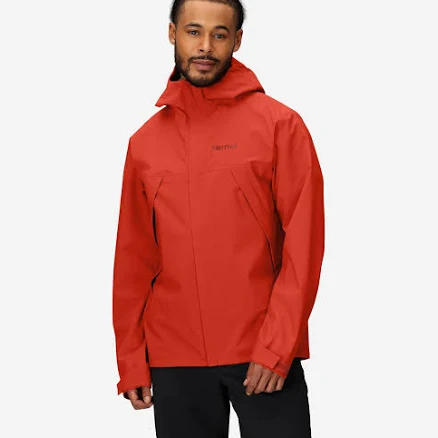
Marmot Men's PreCip Eco Pro Jacket
water-repellent coating treatment type unclear; Marmot does not disclose PFAS details.
Marmot's PreCip Eco Pro uses water-repellent coating treatment but does not publicly specify whether PFAS-based or PFAS-free water-repellent coating chemistry is used. Brand transparency on this is absent.
Still want this one anyway? Check the price on Amazon. We’d swap it.
Material
polyester with water-repellent coating water-repellent treatment
Lab data
No public lab test
You may also be interested in
Top-graded picks in the categories readers replace first, every one scored on the same rubric.

- polypropylene filter housing, carbon/sediment cartridge
- We found no PFAS statement from the brand
- Bacterial growth in spent cartridges
3 hazards checked on this product, all on its full breakdown.

Aquasure
Premier Series 75 GPD Under Sink Reverse Osmosis Water Filtration System
- RO membrane, carbon filters, stainless steel housing
- We found no PFAS statement from the brand
- Bacterial and microbial growth in housing and filters
4 hazards checked on this product, all on its full breakdown.

Avocado
Vegan Mattress
- organic cotton, natural latex, coconut coir, recycled steel coils
- The brand calls it PFAS-free, which we have not verified
- Heavy metals
2 hazards checked on this product, all on its full breakdown.
What Marmot Men's PreCip Eco Pro Jacket is made of, ingredients and materials
The PreCip Eco Pro is polyester with a water-repellent coating (water-repellent coating) finish. Polyester itself is stable in normal use, but the water-repellent coating is the concern, Marmot does not publicly specify whether this uses PFAS-based chemicals (older standard) or newer PFAS-free alternatives. The 'Eco' branding suggests environmental consideration but does not guarantee PFAS avoidance. Polyester can shed microfibers during washing, and water-repellent coating treatments may leach into water during laundering.
What’s concerning
Waterproof / stain-resistant treatment
Water-repellent coating treatments have historically used PFAS.
Category baseline
The starting point for this type of product, before anything specific to this product is counted.
No PFAS disclosure
No public statement from the brand about PFAS in this product.
PFAS
Marmot does not disclose water-repellent coating chemistry. Standard industry practice until ~2020 was PFAS-based; newer batches may use alternatives. Leaching occurs during washing and contact with skin sweat. Without lab testing, you cannot know which this is.
Source, ATSDR ↗Microfiber shedding (polyester)
Polyester jackets release microplastics during laundering, with some fibers carrying residual water-repellent coating treatment. Frequency of washing and water temperature directly increase shed rate. This is a documented issue across polyester garments, not unique to Marmot.
Formaldehyde / VOCs
Polyester garments sometimes use formaldehyde-based resin finishes for wrinkle resistance or dye fixation. Marmot does not list finish chemistry. Formaldehyde is volatile and can off-gas during initial wear and after washing, especially if water-repellent treatment is also applied.
Source, ATSDR ↗Azo dyes (if dark colors used)
The PreCip Eco Pro is sold in multiple colors. If darker dyes are azo-based (common in polyester), certain azo compounds can break down to amines under sweat and UV exposure, though risk in finished garments is low. No specific dye testing data available for this product.
Coating degradation and re-application temptation
As water-repellent coating wears, consumers often apply aftermarket sprays (e.g., Nikwax, Scotchgard) that may use higher-PFAS formulations than factory treatment. This compounds PFAS exposure over the garment's lifetime if not done carefully.
How is this PFAS grade calculated?
The brand's record and disclosure
Marmot (owned by Wolverine World Wide) does not publish detailed water-repellent coating chemistry or PFAS phase-out timelines on product pages or sustainability reports reviewed in public sources. The brand has not signed onto the ZDHC Gateway or made specific PFAS elimination commitments visible to consumers. This silence is common among mid-tier outdoor brands and makes it impossible to confirm whether the water-repellent coating is legacy PFAS or newer formulations. Without third-party certification (bluesign, GOTS, or equivalent), you cannot verify the treatment chemistry.
How it compares in its category
Most polyester rain jackets in this price range use water-repellent coating treatments of unclear origin. Brands like Arc'teryx and Patagonia disclose PFAS phase-out or use PFAS-free alternatives more transparently. Budget alternatives may use cheaper Teflon-type coating-based coatings with higher PFAS content. The PreCip Eco Pro sits in a middle zone where the 'Eco' label suggests better practice but lacks verification; you are buying on promise rather than proof.
If you buy it
Wash infrequently and use cold water with minimal detergent to reduce water-repellent coating leaching and microfiber shed. Avoid hot water and tumble drying, which can degrade the coating and may release volatile compounds. Do not dry-clean, as solvents can strip and mobilize water-repellent coating residues. If the water-repellency noticeably fades after 1-2 years of regular use, consider replacement rather than re-coating, since aftermarket treatments are often higher-PFAS products. Air-dry only.
What is not known about PFAS in this product?
- Basis
- Model estimate, 45% confidence, not a lab result
- Lab test
- None on record for this exact product
- Brand statement
- Marmot has made a specific claim
Formulations change between production runs, so check the current label. How we grade.
More rain jackets grades
How we score, every product runs through the same public 0-100 rubric based on materials, coatings, brand disclosure, lab findings, and recalls. See the full methodology → Spotted a mistake? Report an error.