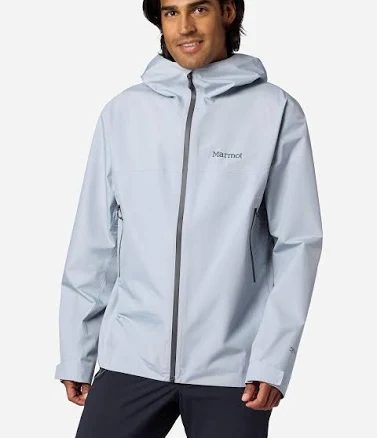
Marmot Minimalist Pertex Jacket Men's
water-repellent coating apparel typically uses PFAS; Marmot discloses nothing publicly.
Pertex shell with water-repellent coating treatment. Marmot does not publicly disclose PFAS use or avoidance. Waterproof jacket water-repellent coating coatings often contain PFAS; direct brand inquiry recommended.
Still want this one anyway? Check the price on Amazon. We’d swap it.
Material
Pertex nylon with water-repellent coating water-repellent finish
Lab data
No public lab test
You may also be interested in
Top-graded picks in the categories readers replace first, every one scored on the same rubric.

- polypropylene filter housing, carbon/sediment cartridge
- We found no PFAS statement from the brand
- Bacterial growth in spent cartridges
3 hazards checked on this product, all on its full breakdown.

Aquasure
Premier Series 75 GPD Under Sink Reverse Osmosis Water Filtration System
- RO membrane, carbon filters, stainless steel housing
- We found no PFAS statement from the brand
- Bacterial and microbial growth in housing and filters
4 hazards checked on this product, all on its full breakdown.

Avocado
Vegan Mattress
- organic cotton, natural latex, coconut coir, recycled steel coils
- The brand calls it PFAS-free, which we have not verified
- Heavy metals
2 hazards checked on this product, all on its full breakdown.
What Marmot Minimalist Pertex Jacket Men's is made of, ingredients and materials
This jacket uses Pertex nylon, a densely woven high-tenacity polyamide designed for wind and moisture resistance. The water-repellent coating (water-repellent coating) finish is the critical unknown, Marmot does not publicly specify whether this uses PFAS-based or PFAS-free chemistry. Pertex nylon itself is stable and does not leach under normal wear, but the water-repellent coating finish applied to the outer layer is where chemical risk concentrates.
What’s concerning
Waterproof / stain-resistant treatment
Water-repellent coating treatments have historically used PFAS.
Category baseline
The starting point for this type of product, before anything specific to this product is counted.
No PFAS disclosure
No public statement from the brand about PFAS in this product.
PFAS
Pertex jackets typically use C6 or C8 fluorocarbon water-repellent coating unless explicitly labeled otherwise. Marmot does not disclose; standard industry practice for this product tier suggests PFAS-based chemistry is probable, not confirmed.
Source, ATSDR ↗water-repellent coating degradation and reapplication cycles
As water-repellent coating finish breaks down over 3-5 years, repeated industrial or consumer reapplication introduces cumulative exposure to whatever finish chemistry is used; Marmot's silence prevents informed decision-making on long-term ownership safety.
What’s reassuring
Azo dyes in nylon fabric
No recalls or public testing results for azo dyes in Marmot nylon apparel are on record. Pertex nylon is typically dyed with modern disperse dyes, but without independent testing, residual aromatic amine risk cannot be ruled out for all color variants.
Formaldehyde / VOCs
Pertex uses minimal chemical finishing compared to heavily treated fabrics, but water-repellent coating cross-linking may involve formaldehyde-releasing catalysts. Marmot provides no finish composition data, so this remains unconfirmed for this specific product.
Source, ATSDR ↗Antimony in polyester (if present)
This jacket is nylon, not polyester, so antimony catalyst contamination is not relevant unless polyester threads are used in construction details (typically negligible exposure risk if present).
How is this PFAS grade calculated?
The brand's record and disclosure
Marmot has not published a detailed PFAS policy or commitment to alternatives to PFAS-based water-repellent coating as of available public records. The company does not disclose water-repellent coating chemistry on product labels or websites. This silence is notable because many outdoor brands (Patagonia, Arc'teryx) have begun transitioning to or disclosing PFAS-free water-repellent coating options. Marmot's lack of transparency makes it impossible to confirm whether this jacket uses legacy fluorocarbon finishes.
How it compares in its category
Pertex jackets occupy the mid-to-premium segment. Many competitors at this price point now offer alternatives to PFAS-based water-repellent coating or publish their finish chemistry. Marmot's silence places this jacket in a weaker disclosure position than brands like Patagonia or The North Face (which have committed to phasing PFAS). However, Pertex nylon itself is chemically inert and does not off-gas formaldehyde or heavy metals the way some coated fabrics do.
If you buy it
Launder separately the first wash in cool water to reduce any loose finish residues. Avoid high heat drying, which may accelerate water-repellent coating breakdown and potential leachate release. Do not dry-clean, as solvents can degrade both nylon and water-repellent coating coatings. Plan replacement after 5-7 years or if water beading visibly fails; reapplication of water-repellent coating finishes to worn jackets carries the same PFAS uncertainty as the original.
What is not known about PFAS in this product?
- Basis
- Model estimate, 45% confidence, not a lab result
- Lab test
- None on record for this exact product
- Brand statement
- Marmot has made a specific claim
Formulations change between production runs, so check the current label. How we grade.
More rain jackets grades
How we score, every product runs through the same public 0-100 rubric based on materials, coatings, brand disclosure, lab findings, and recalls. See the full methodology → Spotted a mistake? Report an error.