Marmot · Camping Tents & Tarps
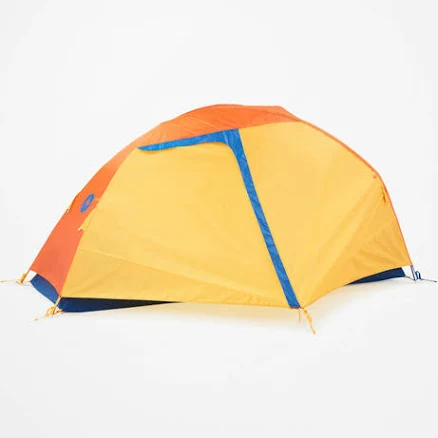
Marmot Tungsten 1 Person Tent
Tent uses water-repellent coating; Marmot does not disclose PFAS status publicly
Marmot Tungsten 1 tent has waterproof-treated nylon fabric typical of outdoor gear. Brand provides no public disclosure on PFAS or water-repellent coating chemistry; standard industry practice suggests potential PFAS presence without confirmation.
Still want this one anyway? Check the price on Amazon. We’d swap it.
Material
Nylon ripstop with waterproof coating, unspecified water-repellent coating treatment
Lab data
No public lab test
You may also be interested in
Top-graded picks in the categories readers replace first, every one scored on the same rubric.

- polypropylene filter housing, carbon/sediment cartridge
- We found no PFAS statement from the brand
- Bacterial growth in spent cartridges
3 hazards checked on this product, all on its full breakdown.

Aquasure
Premier Series 75 GPD Under Sink Reverse Osmosis Water Filtration System
- RO membrane, carbon filters, stainless steel housing
- We found no PFAS statement from the brand
- Bacterial and microbial growth in housing and filters
4 hazards checked on this product, all on its full breakdown.

Avocado
Vegan Mattress
- organic cotton, natural latex, coconut coir, recycled steel coils
- The brand calls it PFAS-free, which we have not verified
- Heavy metals
2 hazards checked on this product, all on its full breakdown.
What Marmot Tungsten 1 Person Tent is made of, ingredients and materials
The Tungsten 1 uses nylon ripstop fabric, a lightweight polyamide weave chosen for tear resistance and packability. The fabric is coated with an unspecified water-repellent coating (water-repellent coating) treatment to shed rain; water-repellent coating formulations vary widely in chemical safety, and Marmot does not publicly specify whether theirs contains PFAS-based compounds or fluorine-free alternatives. Nylon itself is chemically stable in normal use and does not leach into food or skin; the coating is the primary chemical concern.
What’s concerning
Waterproof / stain-resistant treatment
Water-repellent coating treatments have historically used PFAS.
Category baseline
The starting point for this type of product, before anything specific to this product is counted.
No PFAS disclosure
No public statement from the brand about PFAS in this product.
PFAS
Water-repellent coating formulation not disclosed by Marmot; most nylon tents at this price point use legacy PFOA-based or similar fluorinated treatments. Graded separately but drives primary safety concern.
Source, ATSDR ↗Coating degradation and reapplication chemical exposure
Over years of use, water-repellent coating wears and users may reapply aftermarket sprays. Consumer-grade water-repellent coating products vary in safety; some still contain PFAS. Risk is manageable by choosing fluorine-free renewal products.
Mold or bacterial growth from moisture retention
If stored damp, nylon can support mold growth, which poses respiratory risk on setup. This is a use/storage hazard, not a material hazard; prevent by drying thoroughly before storage.
What’s reassuring
Nylon fiber shedding or microplastic release
Nylon ripstop does not shed microplastics into food or water under normal tent use. Risk is only relevant if fabric is mechanically abraded into small pieces and ingested, which is not a practical exposure route for a tent.
Heavy metals
No recalls or public data linking Marmot tent dyes to lead or cadmium contamination. Outdoor fabric dyes are regulated in most jurisdictions; risk is not established for this product.
Source, FDA ↗How is this PFAS grade calculated?
The brand's record and disclosure
Marmot is a major outdoor equipment maker owned by Amer Sports. The brand does not publicly disclose water-repellent coating chemistry or commit to PFAS-free manufacturing, which is notably behind competitors like Patagonia (PFOA-free commitment since 2011) and some REI-branded lines. Marmot has no known major product recalls for chemical hazards in tents. Lack of transparency on water-repellent coating formulation is the most significant red flag.
How it compares in its category
Nylon ripstop tents are industry standard for lightweight backpacking; the Tungsten 1 is a mainstream mid-range model. Direct PFAS-free competitors exist (e.g., some Big Agnes and MSR tents explicitly avoid fluorinated water-repellent coating), but they are less common and sometimes pricier. Most major brands have not yet committed publicly to phasing out PFAS-based water-repellent coating, making the Marmot's silence typical rather than exceptional for the category.
If you buy it
Store the tent dry and well-ventilated indoors; off-gassing of coatings is minimal but best managed in open air for the first few uses. Avoid prolonged direct heat near the fabric. Inspect seams annually and reapply seam sealer as needed to maintain the waterproof barrier. If water-repellent coating performance degrades (water no longer beads), you can reapply a water-repellent coating spray; consider a fluorine-free alternative product at that stage to reduce long-term PFAS accumulation.
What is not known about PFAS in this product?
- Basis
- Model estimate, 45% confidence, not a lab result
- Lab test
- None on record for this exact product
- Brand statement
- Marmot has made a specific claim
Formulations change between production runs, so check the current label. How we grade.
More camping tents & tarps grades
How we score, every product runs through the same public 0-100 rubric based on materials, coatings, brand disclosure, lab findings, and recalls. See the full methodology → Spotted a mistake? Report an error.