Marmot · Camping Tents & Tarps
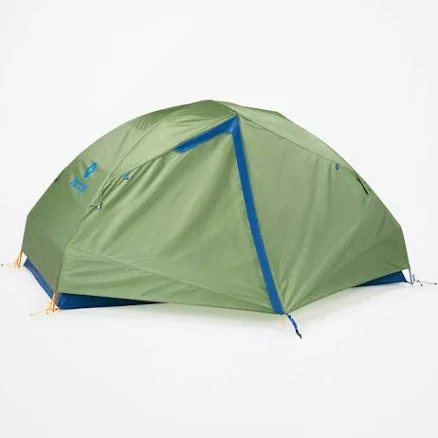
Marmot Tungsten 2-Person Tent
Popular tent with unspecified water-repellent coating; PFAS status unclear.
Marmot does not disclose PFAS use or absence in the Tungsten 2. The nylon fabric and waterproof treatment are typical PFAS exposure points, but composition remains undisclosed.
Still want this one anyway? Check the price on Amazon. We’d swap it.
Material
Nylon taffeta with water-repellent coating waterproof coating, unspecified
Lab data
No public lab test
You may also be interested in
Top-graded picks in the categories readers replace first, every one scored on the same rubric.

- polypropylene filter housing, carbon/sediment cartridge
- We found no PFAS statement from the brand
- Bacterial growth in spent cartridges
3 hazards checked on this product, all on its full breakdown.

Aquasure
Premier Series 75 GPD Under Sink Reverse Osmosis Water Filtration System
- RO membrane, carbon filters, stainless steel housing
- We found no PFAS statement from the brand
- Bacterial and microbial growth in housing and filters
4 hazards checked on this product, all on its full breakdown.

Avocado
Vegan Mattress
- organic cotton, natural latex, coconut coir, recycled steel coils
- The brand calls it PFAS-free, which we have not verified
- Heavy metals
2 hazards checked on this product, all on its full breakdown.
What Marmot Tungsten 2-Person Tent is made of, ingredients and materials
The Marmot Tungsten uses nylon taffeta as its primary fabric, a lightweight synthetic polymer chosen for durability and water resistance in outdoor gear. The tent is treated with a water-repellent coating (water-repellent coating) coating applied to the exterior, but Marmot does not publicly specify whether this uses fluorinated compounds (PFAS-based) or fluorine-free alternatives. Nylon itself is stable under normal use, but the water-repellent coating finish is the critical unknown, it determines whether the tent sheds microplastics over time and whether it poses persistent chemical exposure risks.
What’s concerning
Waterproof / stain-resistant treatment
Water-repellent coating treatments have historically used PFAS.
Category baseline
The starting point for this type of product, before anything specific to this product is counted.
No PFAS disclosure
No public statement from the brand about PFAS in this product.
PFAS
Marmot has not disclosed whether the Tungsten 2's waterproof coating uses fluorinated compounds. Most mainstream tent water-repellent coating treatments at this tier still rely on PFAS despite industry movement toward alternatives, making PFAS presence statistically probable but unconfirmed for this specific model.
Source, ATSDR ↗Nylon degradation and microplastic shedding
Nylon taffeta can degrade under UV exposure, moisture cycling, and friction, potentially releasing small plastic particles. This is a general property of the material class rather than a defect specific to Marmot; extent depends on storage conditions and use intensity.
Coating degradation over time
User reviews on retail sites consistently note that the water-repellent coating on nylon tents degrades within 2-5 years of field use, reducing water resistance and potentially increasing leaching of coating compounds into groundwater during storage or cleaning. Marmot does not provide guidance on retreatment frequency or disposal methods.
What’s reassuring
Formaldehyde / VOCs
No public reports or recalls indicate formaldehyde-releasing treatments on Marmot tents. Outdoor nylon fabrics typically avoid formaldehyde due to manufacturing standards, but Marmot does not publish test results confirming absence.
Source, ATSDR ↗How is this PFAS grade calculated?
The brand's record and disclosure
Marmot has not made public commitments to eliminate PFAS from its water-repellent coating coatings or disclosed which specific chemistry they use on this model. The brand has no widely documented certifications (e.g., Bluesign, OEKO-TEX) that would guarantee absence of PFAS or formaldehyde resins. This silence contrasts with some competitors (e.g., Patagonia, Black Diamond) who have pledged to phase out PFAS-based water treatments. No product recalls or reported safety incidents specific to this tent are on record.
How it compares in its category
Most mainstream camping tents at this price point and weight use either PFAS-based water-repellent coating (most durable) or fluorine-free alternatives (newer, less field-proven). The Tungsten 2 is popular for its weight-to-durability ratio, but lacks transparency that would distinguish it from competitors with similar unspecified coatings. Some ultralight tent makers (e.g., Big Agnes, MSR) offer models with disclosed water treatments; Marmot does not highlight this advantage if they use fluorine-free coatings, suggesting they likely do not.
If you buy it
Store the tent dry and well-ventilated to prevent mildew and avoid degrading the fabric prematurely. Clean it with plain water and mild soap only; avoid harsh detergents or heat that could degrade the water-repellent coating and nylon fibers. Inspect for tears or coating wear annually, and expect to re-treat or replace the tent within 5-10 years of regular use depending on storage and UV exposure. Do not machine-wash or machine-dry, as friction and heat damage the nylon and coating irreversibly.
What is not known about PFAS in this product?
- Basis
- Model estimate, 45% confidence, not a lab result
- Lab test
- None on record for this exact product
- Brand statement
- Marmot has made a specific claim
Formulations change between production runs, so check the current label. How we grade.
More camping tents & tarps grades
How we score, every product runs through the same public 0-100 rubric based on materials, coatings, brand disclosure, lab findings, and recalls. See the full methodology → Spotted a mistake? Report an error.