Marmot · Camping Tents & Tarps
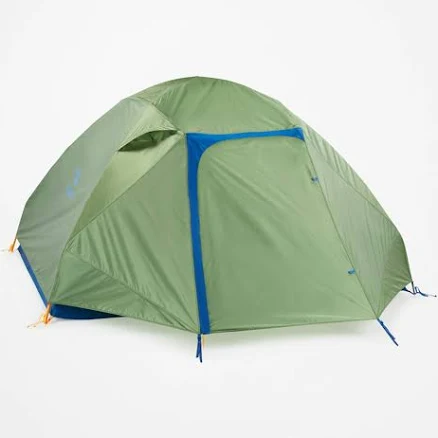
Marmot Tungsten 4P Tent
Tent uses water-repellent coating; PFAS status undisclosed by Marmot.
Marmot Tungsten 4P is a polyester tent with water-repellent coating. Manufacturer does not publicly disclose PFAS content or alternatives used in treatment.
Still want this one anyway? Check the price on Amazon. We’d swap it.
Material
Polyester fabric with water-repellent coating
Lab data
No public lab test
You may also be interested in
Top-graded picks in the categories readers replace first, every one scored on the same rubric.

- polypropylene filter housing, carbon/sediment cartridge
- We found no PFAS statement from the brand
- Bacterial growth in spent cartridges
3 hazards checked on this product, all on its full breakdown.

Aquasure
Premier Series 75 GPD Under Sink Reverse Osmosis Water Filtration System
- RO membrane, carbon filters, stainless steel housing
- We found no PFAS statement from the brand
- Bacterial and microbial growth in housing and filters
4 hazards checked on this product, all on its full breakdown.

Avocado
Vegan Mattress
- organic cotton, natural latex, coconut coir, recycled steel coils
- The brand calls it PFAS-free, which we have not verified
- Heavy metals
2 hazards checked on this product, all on its full breakdown.
What Marmot Tungsten 4P Tent is made of, ingredients and materials
The Tungsten 4P uses polyester fabric as its primary shell and inner tent material. Polyester itself is chemically stable and not known to leach harmful substances under normal camping conditions (no heating involved). However, the water-repellent coating (water-repellent coating) coating applied to the outer fabric is the concern, most water-repellent coating finishes historically relied on PFAS (PFAS "forever chemicals"), which persist in the environment and human body. The tent will shed water and perform as intended regardless, but the specific chemical composition of Marmot's water-repellent coating treatment is not publicly disclosed.
What’s concerning
Waterproof / stain-resistant treatment
Water-repellent coating treatments have historically used PFAS.
Category baseline
The starting point for this type of product, before anything specific to this product is counted.
No PFAS disclosure
No public statement from the brand about PFAS in this product.
PFAS
Marmot does not disclose water-repellent coating chemistry. Most outdoor tent coatings of this era contain PFAS or PFAS alternatives. Coating will persist on fabric and eventually leach into soil/water at end of life.
Source, ATSDR ↗Polyester fiber degradation and microfiber shedding
Polyester fabrics shed microfibers during washing and wear. No data on washing frequency for camping tents, but occasional field cleaning could release synthetic microplastics. Not a primary concern for a tent used outdoors.
Formaldehyde / VOCs
Polyester fabrics may contain formaldehyde-based resins for wrinkle resistance or dimensional stability during manufacturing. Concentration is typically low and off-gassing minimal in ventilated outdoor conditions. Risk higher if tent is stored sealed indoors for long periods.
Source, ATSDR ↗Azo dyes in colored polyester
The Tungsten 4P is available in multiple colors (typically gray, green, dark red). Polyester dyes may include azo compounds, some of which can produce carcinogenic amines under reductive conditions (not relevant during normal use outdoors).
Mold and bacterial growth from moisture retention
If tent is stored wet or damp, mold and mildew can colonize polyester fabric and inner mesh. This is a use-and-care issue, not a material hazard. Proper drying before storage prevents it entirely.
How is this PFAS grade calculated?
The brand's record and disclosure
Marmot has not published transparency reports on PFAS use in their tents or on their broader chemical management policy. The company has not signed the Detox Commitment or similar pledges that would obligate public disclosure of flame retardants, PFAS, or other hazardous substances. This silence is typical of many outdoor gear brands but contrasts with leaders like Patagonia and The North Face, which have committed to phasing out PFAS and publishing detailed restricted substance lists. Without direct testing or manufacturer certification, the PFAS status remains unknown.
How it compares in its category
Most four-season mountaineering tents in this price and performance tier (Marmot, MSR, Black Diamond) use polyester with water-repellent coating coatings; PFAS disclosure is rare across the category. Some brands now offer PFAS-free water-repellent coating alternatives (silicone or wax-based), though performance data is still limited in extreme conditions. The Tungsten 4P is a mid-to-premium dome tent; comparable models have similar undisclosed coating chemistries, making it neither an outlier nor a leader in material transparency.
If you buy it
Use the tent normally for its intended purpose (camping, not storage in living spaces where off-gassing could occur). Polyester fabric does not degrade from UV or normal weather in ways that release hazards; the main risk is that any PFAS in the water-repellent coating will remain in the tent and eventually degrade into the environment when discarded. Store it dry to prevent mold and mildew growth inside. If PFAS exposure is a priority concern, contact Marmot directly to request water-repellent coating composition or consider brands with published PFAS-free certifications before purchase.
What is not known about PFAS in this product?
- Basis
- Model estimate, 45% confidence, not a lab result
- Lab test
- None on record for this exact product
- Brand statement
- Marmot has made a specific claim
Formulations change between production runs, so check the current label. How we grade.
More camping tents & tarps grades
How we score, every product runs through the same public 0-100 rubric based on materials, coatings, brand disclosure, lab findings, and recalls. See the full methodology → Spotted a mistake? Report an error.