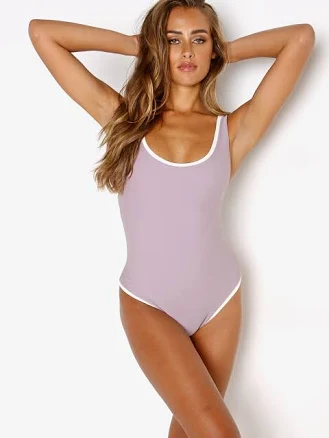
Mikoh Antibes One Piece
Lower-concern material, but brand provides no PFAS transparency, typical for swim brands.
Mikoh Antibes is a nylon one-piece. Nylon doesn't inherently require PFAS, but swimwear often receives water-repellent coating or UV-protection finishes that may contain legacy PFAS. Mikoh makes no public claims about PFAS avoidance or treatment chemistry.
The better-graded swap
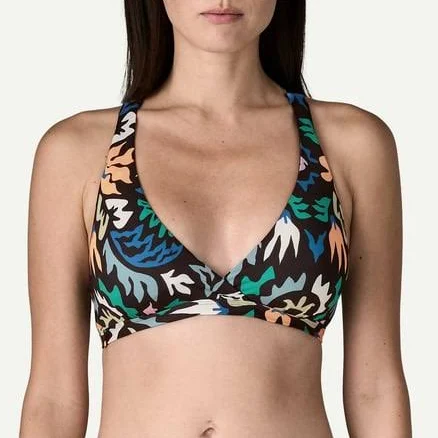
Patagonia
Patagonia Women's Bottom Turn Racerback Bikini Top
90/100 safety
Same rubric that flunked this product. The swap earned Excellent.
Still want this one anyway? Check the price on Amazon. We’d swap it.
Material
Nylon/polyamide swimwear
Brand disclosure
Brand is silent on PFAS
Lab data
No public lab test
What Mikoh Antibes One Piece is made of, ingredients and materials
The Antibes One Piece is constructed from nylon (polyamide), the industry standard for swimwear due to its durability, stretch, and chlorine resistance. Nylon fibers themselves do not leach harmful chemicals into skin under normal wear conditions, unlike some plastic food containers. The concern with synthetic swimwear centers on dyes, finishes applied during manufacturing, and potential PFAS water-repellent coatings, not the base polymer. Mikoh does not disclose fabric treatment specifics, leaving unknown whether additional chemical finishes were applied beyond dyeing.
What’s concerning
Category baseline
The starting point for this type of product, before anything specific to this product is counted.
No PFAS disclosure
No public statement from the brand about PFAS in this product.
Azo dyes and colorant stability
Nylon swimwear is typically dyed with reactive or acid dyes; no azo-dye ban applies to swimwear as it does to textiles for infants. Dye migration into skin under chlorine or saltwater exposure is cosmetic (temporary staining) rather than toxic, but color bleeding indicates potential dye instability. Mikoh does not disclose dye chemistry; standard nylon dyes used in premium swimwear are considered
Spandex degradation and elastane fiber shedding
Swimwear elastane (spandex) degrades in chlorine and UV light, potentially releasing microscopic fibers into water. The Antibes One Piece likely contains 15-20% spandex for stretch; degradation is accelerated by improper care (hot water, bleach, extended sun exposure). This shedding is not acutely toxic but contributes to microfiber pollution; individual skin irritation from fiber fragments is rar
Contact allergic sensitization to dyes or finishes
Any synthetic textile carries low but nonzero risk of contact dermatitis or reaction to residual dye, finish, or fragrance compounds in the fabric. Individuals with known sensitivity to synthetic dyes or textile treatments should rinse the suit thoroughly before first wear. Mikoh provides no ingredient disclosure to allow pre-purchase risk assessment for highly sensitive individuals.
What’s reassuring
Base material not linked to PFAS
The main material recorded for this product is not one associated with PFAS.
Formaldehyde / VOCs
Swimwear manufacturing may include wrinkle-resistant or antimicrobial finishes; Mikoh does not disclose whether such treatments are applied. Industry standard formaldehyde-free alternatives exist and are widely adopted. No recalls or reports link Mikoh swimwear to formaldehyde exposure, and direct skin contact duration is limited compared to everyday apparel.
Source, ATSDR ↗Heavy metals
High-end nylon dyes are not typically heavy-metal based (unlike some ceramics or paints), and regulatory oversight of textile dyes in developed markets excludes lead or cadmium compounds. No testing or recalls document metal contamination in Mikoh products. Risk is theoretical and aligned with industry baseline, not product-specific concern.
Source, FDA ↗The full breakdown
The brand's record and disclosure
Mikoh is a luxury swimwear brand with no established public recalls, safety incidents, or certifications (such as OEKO-TEX or GOTS) visible in consumer safety records. The brand does not publish transparency reports on chemical use, manufacturing standards, or PFAS content, which is unfortunately typical for premium swim brands. No substantive controversies regarding product safety are documented. The silence on PFAS and chemical inputs reflects industry-wide opacity rather than a specific Mikoh problem, but limits independent verification.
How it compares in its category
Most mainstream and luxury swimwear shares identical material profiles (nylon or nylon-spandex blends) and similar lack of public chemical disclosure. Brands like Patagonia and some athletic lines offer greater transparency and OEKO-TEX certification; Mikoh is positioned in the aesthetic-luxury segment where disclosure is rarer. A one-piece cut carries no additional chemical risk versus bikinis or trunks of the same material. Price point does not correlate with hazard reduction in this category, only aesthetics and manufacturing location.
If you buy it
Rinse the suit in fresh water immediately after saltwater or chlorine exposure to minimize dye bleeding and fiber degradation. Wash in cool water with mild detergent; avoid bleach and hot water, which accelerate color loss and elastane breakdown. Air dry flat or on a hanger; chlorine and UV light are the primary threats to longevity, not chemical leaching into skin. Replace when elastic fails or fabric loses shape (typically after 2-3 seasons of regular use), not due to accumulation of hazardous residues.
What we don’t know
- Basis
- Model estimate, 62% confidence, not a lab result
- Lab test
- None on record for this exact product
- Brand statement
- Mikoh has made none
Formulations change between production runs, so check the current label. How we grade.
Better-graded alternatives in Swimwear
Patagonia
Women's Bottom Turn Racerback Bikini Top
- Nylon/polyester blend with elastane (standard swimwear)
- The brand calls it PFAS-free, which we have not verified
- Elastane (spandex) degradation under heat or chlorine
More swimwear grades
How we score, every product runs through the same public 0-100 rubric based on materials, coatings, brand disclosure, lab findings, and recalls. See the full methodology → Spotted a mistake? Report an error.