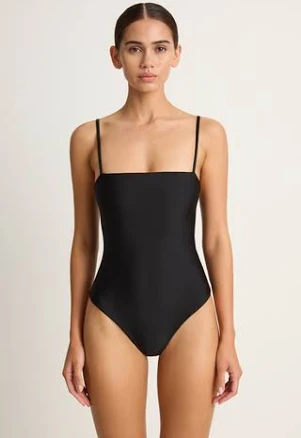
Mikoh Malta One Piece
Likely lower concern, but Mikoh provides no transparency on water-repellent coating treatment or PFAS practices.
Mikoh Malta is a standard nylon-spandex one-piece with no known Teflon-type coating or intentional Teflon-family coating treatments. However, Mikoh makes no public disclosure about PFAS-free status or water-repellent coating chemistry.
The better-graded swap
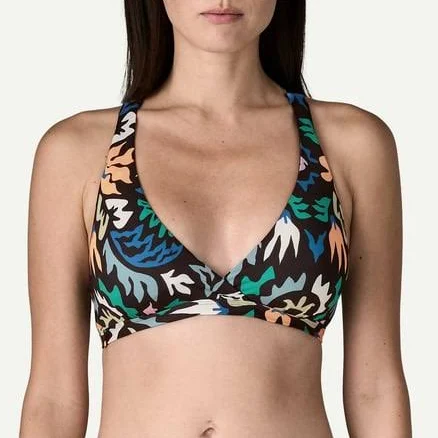
Patagonia
Patagonia Women's Bottom Turn Racerback Bikini Top
90/100 safety
Same rubric that flunked this product. The swap earned Excellent.
Still want this one anyway? Check the price on Amazon. We’d swap it.
Material
nylon/spandex blend swimsuit fabric
Brand disclosure
Brand is silent on PFAS
Lab data
No public lab test
What Mikoh Malta One Piece is made of, ingredients and materials
The Malta One Piece is constructed from nylon and spandex (elastane), the industry standard for high-performance swimwear. Nylon provides durability and chlorine resistance; spandex provides stretch and shape retention. This blend is chemically stable under normal use and does not shed microplastics readily during wear or machine washing at standard temperatures, unlike polyester blends. The dyes and finishes applied to achieve the garment's color and water-repellency are the primary chemical concern.
What’s concerning
Category baseline
The starting point for this type of product, before anything specific to this product is counted.
No PFAS disclosure
No public statement from the brand about PFAS in this product.
Azo dyes in color fastness
Designer swimwear often uses standard acid dyes to achieve deep, stable colors. While high-quality nylon dyes are generally regarded as lower concern, no public test data confirms whether Mikoh sources restricted or suspected carcinogenic azo dyes. Leaching into skin or water during wear is minimal at typical use temperatures.
Formaldehyde / VOCs
Swimwear elastics and seam finishes may contain trace formaldehyde-releasing resins used in fabric curing. No specific formaldehyde levels have been reported for Mikoh products. New swimsuits should be rinsed before first wear to reduce any volatile residues.
Source, ATSDR ↗Spandex degradation and microfiber shedding
Nylon/spandex blends shed microfibers when abraded by chlorine, salt, or friction during wear and laundering. The shed volume from swimwear is lower than from textured synthetics but contributes to aquatic microplastic burden. Washing frequency and water temperature affect shedding rate.
Allergic contact dermatitis from dyes or finishes
Individuals with sensitive skin or fragrance/dye allergies may experience mild irritation from residual dyes or finish chemicals, particularly on wet skin. This is not specific to Mikoh but inherent to most dyed nylon swimwear. Patch testing is advisable for known textile sensitivities.
What’s reassuring
Base material not linked to PFAS
The main material recorded for this product is not one associated with PFAS.
The full breakdown
The brand's record and disclosure
Mikoh is a designer swimwear brand with limited public disclosure on chemical practices or third-party certifications such as OEKO-TEX or Global Organic Textile Standard (GOTS). No manufacturing recalls or substantive safety controversies are on public record for Mikoh products. The brand's silence on water-repellent coating (water-repellent coating) treatment and PFAS practices is typical of premium swimwear brands but represents a transparency gap relative to more sustainability-focused competitors.
How it compares in its category
Nylon/spandex swimsuits are the dominant material choice across all price points and hold a solid safety record. Mikoh positions at the premium end; competitors in this segment (Solid and Striped, Hunza G, Flagpole) similarly lack detailed chemical transparency. Brands explicitly certifying swimwear to OEKO-TEX or offering PFAS-free claims remain a minority, making Mikoh unremarkable in either direction within high-end retail swimwear.
If you buy it
Rinse the suit in fresh water immediately after swimming to remove chlorine and salt, which degrade elastic fibers over time. Machine wash cold on gentle cycle with mild detergent; avoid bleach and fabric softener, which accelerate spandex breakdown. Air dry flat or hung; never use a dryer. Replace the suit when elastic loses recovery (typically 1-2 years of regular use), as degraded spandex cannot be restored.
What we don’t know
- Basis
- Model estimate, 55% confidence, not a lab result
- Lab test
- None on record for this exact product
- Brand statement
- Mikoh has made none
Formulations change between production runs, so check the current label. How we grade.
Better-graded alternatives in Swimwear
Patagonia
Women's Bottom Turn Racerback Bikini Top
- Nylon/polyester blend with elastane (standard swimwear)
- The brand calls it PFAS-free, which we have not verified
- Elastane (spandex) degradation under heat or chlorine
More swimwear grades
How we score, every product runs through the same public 0-100 rubric based on materials, coatings, brand disclosure, lab findings, and recalls. See the full methodology → Spotted a mistake? Report an error.