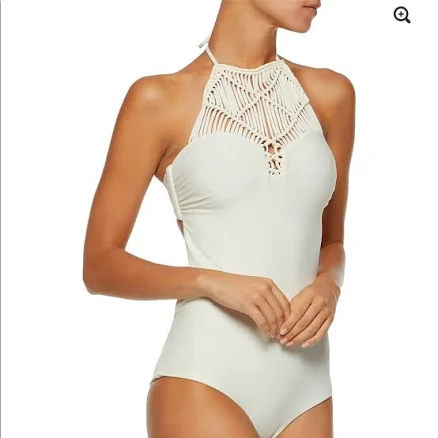
Mikoh Swim Mikoh Moorea White One Piece Swimsuit
Lower concern for typical nylon swimwear; no water-repellent coating evident, but brand transparency is absent.
Mikoh Moorea is a standard nylon/spandex one-piece with no disclosed water-repellent or stain-resistant treatment, suggesting lower PFAS risk than heavily treated performance swimwear. Mikoh makes no public PFAS statement.
The better-graded swap
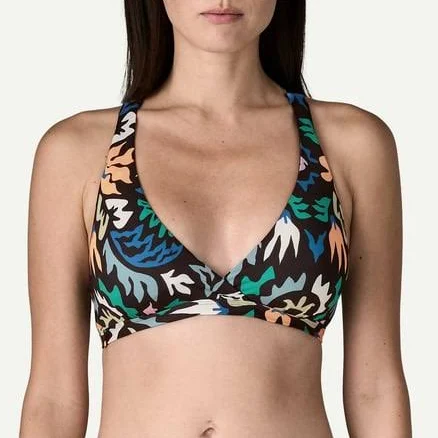
Patagonia
Patagonia Women's Bottom Turn Racerback Bikini Top
90/100 safety
Same rubric that flunked this product. The swap earned Excellent.
Still want this one anyway? Check the price on Amazon. We’d swap it.
Material
Nylon swimsuit fabric (likely nylon/spandex blend)
Brand disclosure
Brand is silent on PFAS
Lab data
No public lab test
What Mikoh Swim Mikoh Moorea White One Piece is made of, ingredients and materials
The Mikoh Moorea is a nylon-spandex blend swimsuit, a standard high-performance construction for one-piece swimwear. Nylon is a synthetic polymer chosen for durability, stretch recovery, and chlorine/saltwater resistance. Spandex (elastane) provides the critical stretch and fit retention. This blend does not use cellulose, wool, or cotton, which reduces concerns about dye mordants and natural-fiber pesticide residues; synthetic blends rely instead on chemical finishing processes applied during manufacturing.
What’s concerning
Category baseline
The starting point for this type of product, before anything specific to this product is counted.
No PFAS disclosure
No public statement from the brand about PFAS in this product.
Azo dyes and colorfast stability
White nylon swimwear uses minimal synthetic dye (primarily optical brighteners and anti-yellowing agents rather than azo colorants), lowering exposure risk compared to dark-dyed swimwear. However, no third-party testing of Mikoh's specific dye chemistry is publicly available; azo dye presence cannot be ruled out without manufacturer disclosure.
Formaldehyde / VOCs
Nylon swimwear may undergo wrinkle-resistant or shape-retention finishing with formaldehyde-releasing resins to maintain fit and prevent color fading. Mikoh does not specify finishing processes; residual formaldehyde can off-gas in humid environments (swimsuit bags, bathrooms) but typically dissipates after a few washes and is not a documented concern for finished nylon garments.
Source, ATSDR ↗Spandex degradation and microfiber release
Spandex in swimwear degrades with chlorine, UV, heat, and mechanical stress (stretch, washing, friction), releasing elastane microfibers into wash water and ocean. This is inherent to the material class and not brand-specific; the white color and standard construction of the Moorea do not reduce this risk. Washing in cold water and air-drying extend spandex life and reduce microfiber shedding.
What’s reassuring
Base material not linked to PFAS
The main material recorded for this product is not one associated with PFAS.
Heavy metals
White swimwear often contains optical brightening agents (OBAs) to enhance whiteness; reputable manufacturers use non-toxic OBAs, but no public testing of Mikoh products exists. Cadmium and lead in optical brighteners are rare in licensed US-market textiles but remain a theoretical concern absent independent verification.
Source, FDA ↗Dye transfer or color bleeding onto skin
White swimwear carries minimal dye transfer risk by nature of its pale color and low dye load. No documented incidents of Mikoh swimwear causing skin staining, allergic reaction, or dye migration have been reported.
The full breakdown
The brand's record and disclosure
Mikoh is a California-based luxury swimwear brand with limited public transparency on material sourcing, manufacturing locations, or chemical safety testing. The brand does not publish certifications (OEKO-TEX, bluesign, etc.) or supply-chain documentation on its website or retail listings. No recalls, public safety controversies, or testing alerts have been documented for Mikoh products in FDA, CPSC, or industry databases. The silent PFAS stance reflects broader industry norm for swimwear rather than a specific red flag.
How it compares in its category
Luxury swimwear brands rarely disclose chemical testing or certifications more transparently than Mikoh. This product sits in the same disclosure tier as most mid-to-high-end brands (Onia, Solid & Striped, Aerie). Certified alternatives (bluesign or OEKO-TEX labeled swimwear) exist but are uncommon at luxury price points. In practical terms, the Moorea's nylon/spandex composition is chemically equivalent to mainstream competitors; brand reputation and fit are the differentiators, not safety profile.
If you buy it
Rinse thoroughly in fresh water after each saltwater or chlorine exposure to remove oxidizing chemicals and salt residue that can degrade elastane. Wash in cool water (below 30°C/86°F) with mild detergent; avoid hot water, bleach, and fabric softeners, which compromise spandex elasticity and can accelerate synthetic fiber breakdown. Air-dry flat or hung in shade; UV exposure and heat weaken nylon and spandex over time. Replace when elastane loses recovery (visible sagging, loose fit despite washing) or nylon shows pilling, thinning, or seam separation, typically after 2-3 seasons of regular use.
What we don’t know
- Basis
- Model estimate, 72% confidence, not a lab result
- Lab test
- None on record for this exact product
- Brand statement
- Mikoh has made none
Formulations change between production runs, so check the current label. How we grade.
Better-graded alternatives in Swimwear
Patagonia
Women's Bottom Turn Racerback Bikini Top
- Nylon/polyester blend with elastane (standard swimwear)
- The brand calls it PFAS-free, which we have not verified
- Elastane (spandex) degradation under heat or chlorine
More swimwear grades
How we score, every product runs through the same public 0-100 rubric based on materials, coatings, brand disclosure, lab findings, and recalls. See the full methodology → Spotted a mistake? Report an error.