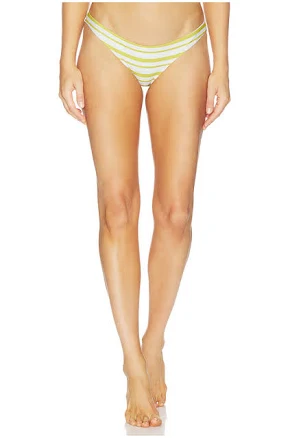
MIKOH Women's Parsa Rattan Stripe Bikini Top
Lower concern; natural rattan bikini without obvious water-repellent coating or performance treatments, but brand offers no PFAS transparency.
This rattan-and-synthetic bikini top uses natural fibers that typically don't require PFAS-based water or stain treatments. Mikoh provides no public statement on PFAS use or avoidance.
The better-graded swap
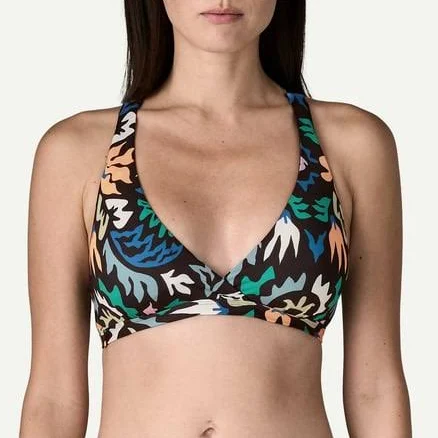
Patagonia
Patagonia Women's Bottom Turn Racerback Bikini Top
90/100 safety
Same rubric that flunked this product. The swap earned Excellent.
Still want this one anyway? Check the price on Amazon. We’d swap it.
Material
Rattan, polyester, nylon blend
Brand disclosure
Brand is silent on PFAS
Lab data
No public lab test
What MIKOH Women's Parsa Rattan Stripe Bikini is made of, ingredients and materials
This bikini top blends rattan (a natural plant fiber), polyester, and nylon. Rattan is inherently low-chemical; the polyester and nylon carry the dye and finishing burden. Swimwear fabrics typically receive minimal chemical treatment compared to sportswear or outdoor gear because they're not fire-retardant regulated and water exposure during use naturally rinses residue. The rattan component meaningfully dilutes synthetic fiber content, reducing exposure to azo dyes and synthetic finishing agents per unit wear.
What’s concerning
Category baseline
The starting point for this type of product, before anything specific to this product is counted.
No PFAS disclosure
No public statement from the brand about PFAS in this product.
Azo dyes and synthetic colorants
Polyester and nylon components are dyed; Mikoh does not disclose dye source, heavy metal content in pigments, or compliance with azo-dye restrictions (EU/Japan standards prohibit certain amines). Rattan's natural tan limits additional dye needed, reducing overall exposure vs solid synthetic bikinis.
Nylon fiber shedding and microfibers
Nylon textiles shed microfibers during washing and wear, releasing synthetic polymers into waterways. This product sheds less than all-nylon alternatives due to rattan content, but microfiber release during care and pool use is inherent to the nylon fraction.
Elastane/spandex degradation and leaching
Swimwear elastication typically uses spandex (polyurethane), which can degrade and leach residual oligomers when exposed to salt, chlorine, or UV. No brand-specific testing is on record; degradation risk is standard for all swimwear, manageable via rinsing and storage.
What’s reassuring
Base material not linked to PFAS
The main material recorded for this product is not one associated with PFAS.
Formaldehyde / VOCs
No records indicate Mikoh uses formaldehyde-releasing finishes (wrinkle resist, shape hold) on this product. Swimwear rarely receives such treatments because water exposure and chlorine render them pointless; risk is low for this category.
Source, ATSDR ↗Antimony in polyester synthesis
Polyester and nylon production may involve antimony catalysts; migration into skin contact is negligible in finished fabric and not documented as a concern in swimwear literature. No recall or testing specific to Mikoh.
The full breakdown
The brand's record and disclosure
Mikoh is a niche, design-focused swimwear brand with no published material safety certifications, environmental reports, or chemical disclosure statements on record. The brand does not advertise PFAS avoidance or participate in transparency initiatives like Bluesign or OEKO-TEX. No recalls or safety controversies are documented for Mikoh products. Absence of disclosure is typical for independent swimwear makers and does not indicate poor practice, only lack of third-party verification.
How it compares in its category
High-end swimwear routinely uses 100 percent polyester or nylon, often with chlorine-resistant or performance treatments that can include PFAS-based water repellents. This product's rattan weave is a departure from convention, positioning it as lower-intensity chemically than performance or chlorine-resistant alternatives. Price and design focus suggest quality yarn selection, though brand lacks transparency to confirm dye source or finishing water safety. Relative to mass-market polyester bikinis, this sits in a lower concern zone; relative to OEKO-TEX certified swimwear, it offers no assurance.
If you buy it
Rinse after each salt or chlorinated water use to remove residual chemicals and extend fiber life; air-dry away from direct heat and sunlight (which degrade nylon). Hand wash with mild detergent; avoid fabric softeners, which can embed on synthetic fibers. Replace if seams fray, elastication loses recovery, or dyes begin to bleed unevenly, indicating fiber breakdown. Store dry in a breathable pouch to prevent mildew and mold growth in damp fibers.
What we don’t know
- Basis
- Model estimate, 72% confidence, not a lab result
- Lab test
- None on record for this exact product
- Brand statement
- Mikoh has made none
Formulations change between production runs, so check the current label. How we grade.
Better-graded alternatives in Swimwear
Patagonia
Women's Bottom Turn Racerback Bikini Top
- Nylon/polyester blend with elastane (standard swimwear)
- The brand calls it PFAS-free, which we have not verified
- Elastane (spandex) degradation under heat or chlorine
More swimwear grades
How we score, every product runs through the same public 0-100 rubric based on materials, coatings, brand disclosure, lab findings, and recalls. See the full methodology → Spotted a mistake? Report an error.