Mizuno · Running & Athletic Shoes
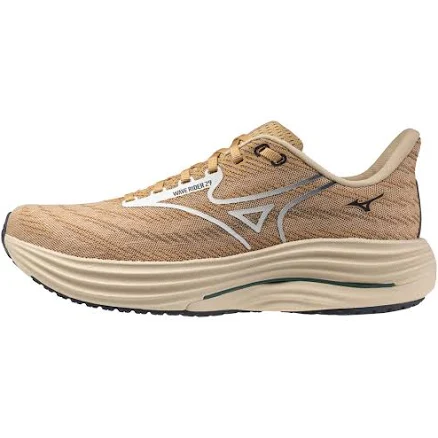
Men's Mizuno Wave Rider 29
No coating described, and no PFAS statement from the brand.
The product information we reviewed describes mesh textile upper, foam midsole, rubber outsole, with no water-repellent coating named. Water resistance on products like this usually comes from the material and its seals rather than a surface treatment. The brand has published no PFAS statement for it.
Still want this one anyway? Check the price on Amazon. We’d swap it.
Material
Mesh textile upper, foam midsole, rubber outsole
Brand disclosure
Brand is silent on PFAS
Lab data
No public lab test
You may also be interested in
Top-graded picks in the categories readers replace first, every one scored on the same rubric.

- polypropylene filter housing, carbon/sediment cartridge
- We found no PFAS statement from the brand
- Bacterial growth in spent cartridges
3 hazards checked on this product, all on its full breakdown.

Aquasure
Premier Series 75 GPD Under Sink Reverse Osmosis Water Filtration System
- RO membrane, carbon filters, stainless steel housing
- We found no PFAS statement from the brand
- Bacterial and microbial growth in housing and filters
4 hazards checked on this product, all on its full breakdown.

Avocado
Vegan Mattress
- organic cotton, natural latex, coconut coir, recycled steel coils
- The brand calls it PFAS-free, which we have not verified
- Heavy metals
2 hazards checked on this product, all on its full breakdown.
What Men's Mizuno Wave Rider 29 is made of, ingredients and materials
The Wave Rider 29 uses a mesh textile upper (synthetic fibers), a foam midsole (likely ethylene-vinyl acetate or polyurethane), and a rubber outsole. Mesh uppers present minimal chemical leaching risk compared to treated leather or coated synthetics. Foam midsoles do not typically off-gas formaldehyde or volatile organics at measurable levels during normal wear, though manufacturing processes vary. Rubber outsoles are stable and do not release hazardous substances under foot contact or ambient conditions.
What’s concerning
Category baseline
The starting point for this type of product, before anything specific to this product is counted.
No PFAS disclosure
No public statement from the brand about PFAS in this product.
Antimony in polyester components
If the mesh upper or any reinforcement uses polyester (common in athletic shoe textiles), antimony may be present as a catalyst residue. No specific testing or Mizuno statement confirms levels or removal; typical residual antimony in polyester textiles is below concern thresholds in skin-contact applications.
VOC off-gassing from adhesives or foam
Polyurethane foam and synthetic adhesives in shoe assembly may release trace volatile organics during the first days to weeks of wear, particularly if stored in warm conditions. Airing the shoe indoors mitigates this; levels are typically below occupational exposure limits.
What’s reassuring
Base material not linked to PFAS
The main material recorded for this product is not one associated with PFAS.
Formaldehyde / VOCs
No formaldehyde-based finishing treatments are documented on the Wave Rider 29 mesh upper. Standard athletic mesh does not require formaldehyde crosslinkers for durability.
Source, ATSDR ↗Azo dyes and colorant toxicity
No recalls or public reports link Mizuno footwear to restricted azo dyes or allergenic colorants. Black and neutral mesh uppers typically use stable disperse or acid dyes.
Flame retardants
Running shoe foams are not routinely treated with added flame retardants. No evidence of brominated or phosphorus-based flame retardant treatment in Wave Rider construction.
Source, EPA ↗How is this PFAS grade calculated?
The brand's record and disclosure
Mizuno has not published a PFAS statement or comprehensive chemical disclosure for this model. The brand maintains no widely documented history of recalls or chemical contamination in athletic footwear. Mizuno is not independently certified to standards such as Bluesign, OEKO-TEX, or similar textile safety programs for this shoe line. Without third-party verification, chemical selection relies on industry baseline practices rather than explicit brand commitment.
How it compares in its category
Running shoes in this price and performance tier typically use identical material combinations (mesh, EVA or PU foam, rubber). Mizuno's construction is representative of mainstream athletic footwear; competitors like ASICS, Saucony, and Brooks follow similar material standards. Brands with documented chemical transparency programs (e.g., Altra, Salomon) are exceptions rather than the rule in this segment. The Wave Rider 29 does not stand out as higher or lower risk relative to direct competitors.
If you buy it
Store in a cool, dry location away from direct sunlight to slow any minor polymer degradation over years of storage. Wash upper mesh by hand with mild soap and cool water; avoid hot water or machine washing, which can degrade adhesives and foam structure. Replace the shoe when the midsole becomes visibly compressed or compacted, typically after 300-500 miles of running, to maintain support and prevent foot strain. Inspect the heel counter and toe box periodically for separation or delamination, which signals end of usable life.
What is not known about PFAS in this product?
- Basis
- Model estimate, 55% confidence, not a lab result
- Lab test
- None on record for this exact product
- Brand statement
- Mizuno has made none
Formulations change between production runs, so check the current label. How we grade.
More running & athletic shoes grades
How we score, every product runs through the same public 0-100 rubric based on materials, coatings, brand disclosure, lab findings, and recalls. See the full methodology → Spotted a mistake? Report an error.