Mizuno · Running & Athletic Shoes
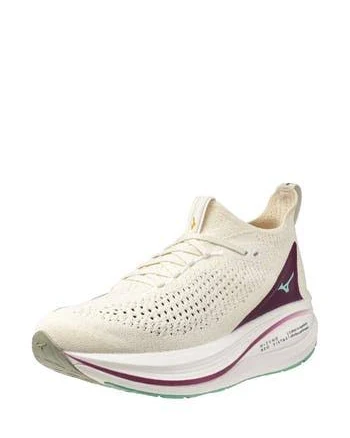
Mizuno Women's Neo Vista 2
No coating described, and no PFAS statement from the brand.
The product information we reviewed describes mesh textile upper, foam midsole, rubber outsole, with no water-repellent coating named. Water resistance on products like this usually comes from the material and its seals rather than a surface treatment. The brand has published no PFAS statement for it.
Still want this one anyway? Check the price on Amazon. We’d swap it.
Material
Mesh textile upper, foam midsole, rubber outsole
Brand disclosure
Brand is silent on PFAS
Lab data
No public lab test
You may also be interested in
Top-graded picks in the categories readers replace first, every one scored on the same rubric.

- polypropylene filter housing, carbon/sediment cartridge
- We found no PFAS statement from the brand
- Bacterial growth in spent cartridges
3 hazards checked on this product, all on its full breakdown.

Aquasure
Premier Series 75 GPD Under Sink Reverse Osmosis Water Filtration System
- RO membrane, carbon filters, stainless steel housing
- We found no PFAS statement from the brand
- Bacterial and microbial growth in housing and filters
4 hazards checked on this product, all on its full breakdown.

Avocado
Vegan Mattress
- organic cotton, natural latex, coconut coir, recycled steel coils
- The brand calls it PFAS-free, which we have not verified
- Heavy metals
2 hazards checked on this product, all on its full breakdown.
What Mizuno Women's Neo Vista 2 is made of, ingredients and materials
The Neo Vista 2 uses a mesh textile upper, foam midsole, and rubber outsole, which are conventional materials in mid-range running shoes. Mesh uppers are typically polyester or nylon blends designed for breathability and weight reduction. The foam midsole is likely EVA (ethylene-vinyl acetate) or a proprietary cushioning compound, standard for shock absorption. Rubber outsoles are inert when properly cured and do not present leaching hazards under normal wear.
What’s concerning
Category baseline
The starting point for this type of product, before anything specific to this product is counted.
No PFAS disclosure
No public statement from the brand about PFAS in this product.
Antimony in polyester
If the mesh upper is polyester, trace antimony may be present as a polymerization catalyst. This is a known trace contaminant in polyester textiles, but skin contact exposure during normal wear is considered low-risk; inhalation risk is negligible.
EVA foam degradation and off-gassing
EVA midsoles may release volatile organic compounds (VOCs) during manufacturing and initial storage, but risk is minimal during wear and storage in typical home conditions. Degradation accelerates in heat and UV exposure, releasing minor odors but not documented health hazards at consumer exposure levels.
What’s reassuring
Base material not linked to PFAS
The main material recorded for this product is not one associated with PFAS.
Formaldehyde / VOCs
No formaldehyde-release finishes or wrinkle-resistant treatments are documented for the Mizuno Neo Vista 2 mesh upper. Standard mesh athletic uppers do not typically require formaldehyde resin binders.
Source, ATSDR ↗Azo dyes and colorant toxicity
No azo dye bans or heavy-metal pigment concerns are on record for Mizuno running shoes. The mesh and fabric dyeing in this product line has not triggered regulatory action or public health warnings.
Flame retardants
No flame-retardant treatments are described for this running shoe. Athletic footwear typically does not require flame-retardant coatings and none are documented for the Neo Vista 2.
Source, EPA ↗How is this PFAS grade calculated?
The brand's record and disclosure
Mizuno has not issued public PFAS statements and does not advertise PFAS-free or restricted-chemical certifications on this model. The brand has not faced major product recalls or documented chemical contamination incidents in running footwear in available public records. No third-party testing or transparency reports specific to this shoe line are widely available, leaving baseline chemical composition unverified by independent labs.
How it compares in its category
The Neo Vista 2 uses materials consistent with budget-to-mid-tier athletic shoes. Competitors in this price segment typically rely on the same mesh-EVA-rubber combination without additional waterproofing coatings or flame-retardant treatments. Shoes in this category rarely undergo extensive chemical disclosure; the Neo Vista 2 is unremarkable in transparency but also shows no red flags unique to its construction.
If you buy it
Store in a cool, dry place away from direct sunlight to prevent foam breakdown and rubber oxidation over time. Wash mesh uppers by hand with mild soap and air dry to avoid accelerated material degradation. Replace when cushioning compresses visibly or outsole traction diminishes, typically 300-500 miles of running. Avoid machine washing or high heat, which can degrade foam adhesives and textile fibers prematurely.
What is not known about PFAS in this product?
- Basis
- Model estimate, 45% confidence, not a lab result
- Lab test
- None on record for this exact product
- Brand statement
- Mizuno has made none
Formulations change between production runs, so check the current label. How we grade.
More running & athletic shoes grades
How we score, every product runs through the same public 0-100 rubric based on materials, coatings, brand disclosure, lab findings, and recalls. See the full methodology → Spotted a mistake? Report an error.