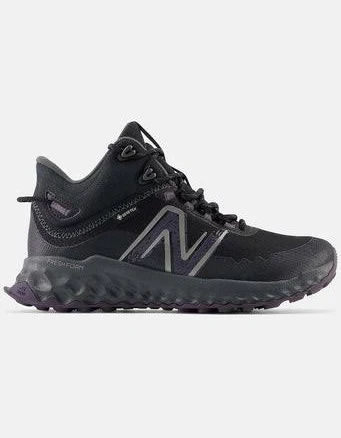
New Balance · Waterproof Boots
New Balance Women's Fresh Foam Garoé Midcut Gore-Tex
Gore-Tex likely contains PFAS; New Balance discloses nothing about PFAS treatment.
Gore-Tex is a Teflon-family coating membrane widely used in waterproof footwear and typically contains PFAS. New Balance does not publicly disclose PFAS-related practices for this shoe or address Gore-Tex chemistry.
Still want this one anyway? Check the price on Amazon. We’d swap it.
Material
Textile upper with Gore-Tex waterproof membrane
Brand disclosure
Brand is silent on PFAS
Lab data
No public lab test
You may also be interested in
Top-graded picks in the categories readers replace first, every one scored on the same rubric.

- polypropylene filter housing, carbon/sediment cartridge
- We found no PFAS statement from the brand
- Bacterial growth in spent cartridges
3 hazards checked on this product, all on its full breakdown.

Aquasure
Premier Series 75 GPD Under Sink Reverse Osmosis Water Filtration System
- RO membrane, carbon filters, stainless steel housing
- We found no PFAS statement from the brand
- Bacterial and microbial growth in housing and filters
4 hazards checked on this product, all on its full breakdown.

Avocado
Vegan Mattress
- organic cotton, natural latex, coconut coir, recycled steel coils
- The brand calls it PFAS-free, which we have not verified
- Heavy metals
2 hazards checked on this product, all on its full breakdown.
What New Balance Women's Fresh Midcut Gore-Tex is made of, ingredients and materials
This shoe pairs a textile upper (likely polyester or nylon blend) with a Gore-Tex laminated membrane for waterproofing. Gore-Tex achieves water resistance through Teflon-type coating (polytetrafluoroethylene), which inherently requires fluorochemical treatment to function; this is where PFAS enters the shoe. The textile substrate itself carries separate risks from dyes, finishes, and manufacturing residues. Unlike cookware or cosmetics, footwear poses lower acute hazard because textiles sit outside the body rather than touching skin continuously or entering food systems, but PFAS migration during wear and laundering remains a concern.
What’s concerning
Waterproof / stain-resistant treatment
Water-repellent coating treatments have historically used PFAS.
Category baseline
The starting point for this type of product, before anything specific to this product is counted.
No PFAS disclosure
No public statement from the brand about PFAS in this product.
PFAS
Gore-Tex waterproofing relies on Teflon-type coating and fluorochemical processing; manufacturing data and regulatory filings confirm PFAS presence. New Balance provides no disclosure of PFAS content or migration rates. Graded separately at 20/100 safety.
Source, ATSDR ↗Azo dyes in textile upper
Textile uppers typically use synthetic dyes; azo dyes are restricted under EU regulations but remain in use in some manufacturing regions. No public record of New Balance azo-dye testing for this specific model. Risk is low if colorfast during normal wear but higher during heavy washing.
Formaldehyde / VOCs
Textile finishes (wrinkle resistance, water repellency pretreatment) may contain formaldehyde releasers. Typically outgassed during initial wear and laundering. New Balance does not list formaldehyde testing for this product line.
Source, ATSDR ↗Microplastic shedding from synthetic textile and membrane
Gore-Tex laminates and polyester uppers shed microfibers during wear and washing, particularly as the membrane ages or delaminates. No product-specific shedding data available, but this is a documented issue across all synthetic waterproof footwear.
What’s reassuring
Heavy metals
No recalls or public test results document heavy metal contamination in New Balance footwear. Risk is low for adult wearers but would be higher if the shoe were chewed by children or pets.
Source, FDA ↗How is this PFAS grade calculated?
The brand's record and disclosure
New Balance has not published a dedicated PFAS elimination roadmap or material transparency statement for Gore-Tex footwear as of available public records. The company maintains general sustainability messaging but does not disclose PFAS testing, phase-out timelines, or alternative waterproofing adoption for this product line. Gore-Tex itself (owned by W.L. Gore & Associates) has faced scrutiny for PFAS use but does not publicly commit to PFAS-free formulations, instead marketing incremental improvements in environmental management. Consumers seeking explicit PFAS-free footwear will find New Balance unhelpful on this product.
How it compares in its category
PFAS-containing Gore-Tex is standard across premium waterproof footwear; this shoe is not an outlier. Alternatives using non-PFAS water-repellent coatings (e.g., plant-based waxes, polyurethane membranes) exist but are rare and typically cost more or sacrifice durability. Budget and mid-range waterproof shoes often rely on cheaper PVC or polyurethane films that off-gas volatile organic compounds instead; Gore-Tex is actually lower-VOC. This shoe sits in the mid-premium segment where PFAS waterproofing is nearly universal, making comparison difficult without sacrificing water performance.
If you buy it
Wash infrequently and in cold water to minimize PFAS leaching into wastewater and reduce mechanical breakdown of the membrane. Do not dry-clean or expose to heat above 60C, which can accelerate PFAS migration and degrade Gore-Tex durability. Air-dry only. Replace when the waterproof layer visibly delaminates or loses water repellency, typically after 2-4 years of regular use; worn-out Gore-Tex shed microfibers in addition to PFAS exposure. Keep away from young children if they tend to mouth footwear, as PFAS ingestion risk is minimal but not zero.
What is not known about PFAS in this product?
- Basis
- Model estimate, 45% confidence, not a lab result
- Lab test
- None on record for this exact product
- Brand statement
- New Balance has made none
Formulations change between production runs, so check the current label. How we grade.
What are the PFAS-free alternatives to New Balance Women's Fresh Foam Garoé Midcut Gore-Tex?
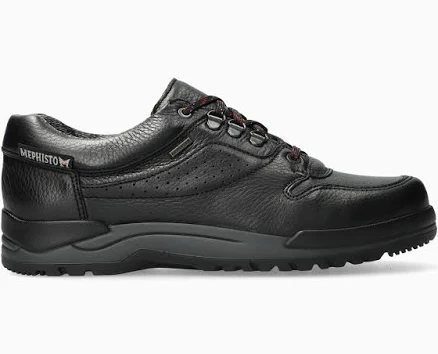
- leather, textile, rubber sole
- We found no PFAS statement from the brand
- Volatile organic compounds (VOC) off-gassing from adhesives
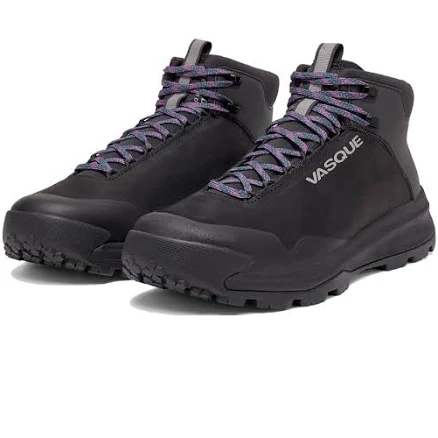
- Leather/nubuck upper, synthetic/rubber sole, no coating disclosed
- We found no PFAS statement from the brand
- Azo dyes (leather/textile coloring)
4 hazards checked on this product, all on its full breakdown.
Find an alternative on AmazonMore waterproof boots grades
How we score, every product runs through the same public 0-100 rubric based on materials, coatings, brand disclosure, lab findings, and recalls. See the full methodology → Spotted a mistake? Report an error.