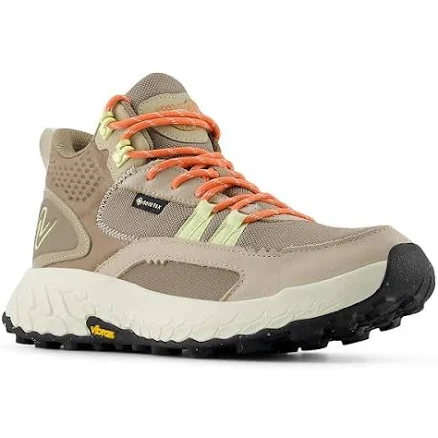
New Balance · Waterproof Boots
New Balance Women's Fresh Foam X Hierro Mid Gore-Tex
Gore-Tex waterproofing likely contains PFAS; New Balance silent on PFAS.
Gore-Tex is a Teflon-type coating-based waterproof membrane, historically treated with PFOA or successor PFAS compounds. New Balance does not disclose PFAS use or safety testing for this model.
Still want this one anyway? Check the price on Amazon. We’d swap it.
Material
Gore-Tex membrane with textile upper
Brand disclosure
Brand is silent on PFAS
Lab data
No public lab test
You may also be interested in
Top-graded picks in the categories readers replace first, every one scored on the same rubric.

- polypropylene filter housing, carbon/sediment cartridge
- We found no PFAS statement from the brand
- Bacterial growth in spent cartridges
3 hazards checked on this product, all on its full breakdown.

Aquasure
Premier Series 75 GPD Under Sink Reverse Osmosis Water Filtration System
- RO membrane, carbon filters, stainless steel housing
- We found no PFAS statement from the brand
- Bacterial and microbial growth in housing and filters
4 hazards checked on this product, all on its full breakdown.

Avocado
Vegan Mattress
- organic cotton, natural latex, coconut coir, recycled steel coils
- The brand calls it PFAS-free, which we have not verified
- Heavy metals
2 hazards checked on this product, all on its full breakdown.
What New Balance Women's Fresh Mid Gore-Tex is made of, ingredients and materials
This mid-cut hiking shoe uses a Gore-Tex membrane laminated to a textile upper, typically polyester or nylon blend, with synthetic rubber sole. Gore-Tex's waterproofing function relies on expanded Teflon-type coating (polytetrafluoroethylene) membrane, which in modern Gore-Tex products is almost certainly fluorochemical-treated for durability and water repellency. The textile upper itself presents minimal chemical hazard under normal use, but the Gore-Tex layer is the primary source of PFAS in this shoe.
What’s concerning
Waterproof / stain-resistant treatment
Water-repellent coating treatments have historically used PFAS.
Category baseline
The starting point for this type of product, before anything specific to this product is counted.
No PFAS disclosure
No public statement from the brand about PFAS in this product.
PFAS
Gore-Tex waterproof membrane is made of expanded Teflon-type coating and is treated with fluorochemicals for repellency. No public disclosure from New Balance on whether this product uses PFOA, other legacy PFAS, or newer alternatives; Gore-Tex itself has phased some but not all fluorochemicals.
Source, ATSDR ↗Formaldehyde / VOCs
Polyester or nylon upper may contain formaldehyde-based finish resins for wrinkle resistance or adhesive cross-linking in seams. New Balance does not disclose formaldehyde limits; exposure during wear is minimal but off-gassing during manufacture and storage may occur.
Source, ATSDR ↗Azo dyes in synthetic textiles
Upper textiles may be dyed with azo colorants; some azo dyes degrade into carcinogenic amines under sweat and UV. No public testing or restriction commitments from New Balance; risk is low in finished product but not ruled out.
Antimony in polyester
If polyester upper uses antimony trioxide as catalyst (standard in polyester production), trace residues may persist. Dermmal contact risk is low; concern is mainly occupational during manufacture.
Microfiber shedding from synthetic upper
Synthetic hiking shoes shed microfibers with wear and washing, contributing to microplastic pollution. Gore-Tex lined shoes may shed both synthetic fibers and Teflon-type coating microparticles; washing in a filter bag reduces shedding.
How is this PFAS grade calculated?
The brand's record and disclosure
New Balance has not publicly committed to PFAS phase-out timelines or disclosed PFAS content in waterproof footwear lines, despite industry-wide pressure since 2019. The brand holds some certifications (e.g., Responsible Down Standard for insulated products) but remains silent on fluorochemical use in Gore-Tex partnerships. This silence is standard across most athletic brands using Gore-Tex, but represents a gap in transparency compared to leading outdoor manufacturers who now publicly phase PFAS.
How it compares in its category
Women's waterproof hiking boots typically use Gore-Tex or similar Teflon-type coating-based membranes; this shoe offers no differentiator in PFAS risk relative to competitors (Salomon, Merrell, ASICS trail lines). Non-membrane alternatives (waxed canvas, polyurethane-coated synthetics) are not materials linked to PFAS but sacrifice breathability and durability in wet conditions. If PFAS exposure is a concern, non-waterproof or membrane-free hiking shoes are the alternative, with trade-off in weather protection.
If you buy it
Wash separately or with cold water to avoid releasing microfibers; Gore-Tex durability typically lasts 2-3 years of moderate use before membrane delamination occurs. Do not machine dry or expose to high heat, as this degrades both the membrane and stitching adhesives. Inspect seams annually for separation; when waterproofing fails noticeably, shoe replacement is typically more practical than re-treatment. Standard care extends product life and reduces overall PFAS burden per wear.
What is not known about PFAS in this product?
- Basis
- Model estimate, 45% confidence, not a lab result
- Lab test
- None on record for this exact product
- Brand statement
- New Balance has made none
Formulations change between production runs, so check the current label. How we grade.
What are the PFAS-free alternatives to New Balance Women's Fresh Foam X Hierro Mid Gore-Tex?
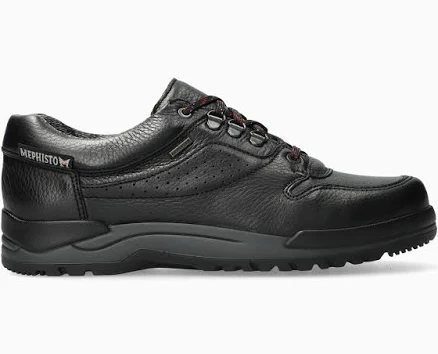
- leather, textile, rubber sole
- We found no PFAS statement from the brand
- Volatile organic compounds (VOC) off-gassing from adhesives
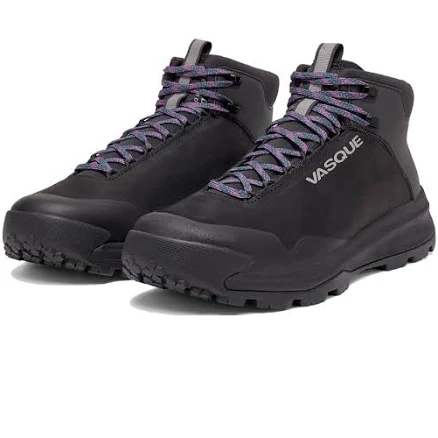
- Leather/nubuck upper, synthetic/rubber sole, no coating disclosed
- We found no PFAS statement from the brand
- Azo dyes (leather/textile coloring)
4 hazards checked on this product, all on its full breakdown.
Find an alternative on AmazonMore waterproof boots grades
How we score, every product runs through the same public 0-100 rubric based on materials, coatings, brand disclosure, lab findings, and recalls. See the full methodology → Spotted a mistake? Report an error.