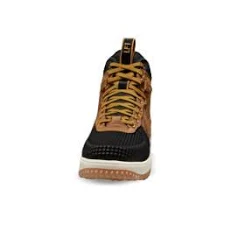
Nike Men's Lunar Force 1 Duckboot
Unknown waterproofing chemistry. Nike silent on PFAS in boots.
Duckboots typically use water-repellent coating waterproof coatings that historically contain PFAS, though formulations vary. Nike does not disclose chemical composition or PFAS status for this model.
Still want this one anyway? Check the price on Amazon. We’d swap it.
Material
Leather upper, rubber sole, waterproof coating
Lab data
No public lab test
You may also be interested in
Top-graded picks in the categories readers replace first, every one scored on the same rubric.

- polypropylene filter housing, carbon/sediment cartridge
- We found no PFAS statement from the brand
- Bacterial growth in spent cartridges
3 hazards checked on this product, all on its full breakdown.

Aquasure
Premier Series 75 GPD Under Sink Reverse Osmosis Water Filtration System
- RO membrane, carbon filters, stainless steel housing
- We found no PFAS statement from the brand
- Bacterial and microbial growth in housing and filters
4 hazards checked on this product, all on its full breakdown.

Avocado
Vegan Mattress
- organic cotton, natural latex, coconut coir, recycled steel coils
- The brand calls it PFAS-free, which we have not verified
- Heavy metals
2 hazards checked on this product, all on its full breakdown.
What Nike Men's Lunar Force 1 Duckboot is made of, ingredients and materials
The Lunar Force 1 Duckboot pairs a leather upper with a rubber sole and an unspecified waterproofing treatment. Leather itself is stable and low-toxicity when finished properly, but the waterproof coating is the critical unknown here. Nike has not publicly disclosed whether this uses fluorinated compounds (PFAS), silicone, or wax-based water repellents, which matters because fluorinated coatings persist in the environment and can migrate with wear and cleaning.
What’s concerning
Waterproof / stain-resistant treatment
Water-repellent coating treatments have historically used PFAS.
Category baseline
The starting point for this type of product, before anything specific to this product is counted.
No PFAS disclosure
No public statement from the brand about PFAS in this product.
Undisclosed waterproofing chemistry (fluorinated or otherwise)
Nike has not published the specific water-repellent coating treatment used on this boot. If fluorinated, it presents PFAS leaching risk during wear and laundering; if silicone or wax-based, risk is lower but still unconfirmed.
Formaldehyde / VOCs
Leather uppers commonly use formaldehyde-releasing tanning agents and adhesives to set dyes and finishes. Nike does not specify tanning chemistry for this model; off-gassing is generally minimal in finished leather but possible with new product.
Source, ATSDR ↗Azo dyes in leather coloring
The dark leather upper may contain azo dyes, which can release carcinogenic amines under moisture and sweat. Established standard testing (ISO 17234) applies to many Nike products, but specific compliance for this model is not publicly stated.
Adhesive off-gassing between layers
The bond between leather, waterproof coating, and rubber sole uses industrial adhesives that may off-gas volatile organic compounds (VOCs) during the first weeks of use, particularly if stored in warm conditions.
What’s reassuring
Rubber sole degradation and micro-particle shedding
Rubber soles naturally degrade with wear and UV exposure, releasing microparticles. Nike does not disclose cure agents or accelerators in the sole formulation; typical formulations are low-toxicity but not zero-impact.
How is this PFAS grade calculated?
The brand's record and disclosure
Nike has faced multiple scrutiny campaigns over environmental and chemical practices but has not published detailed disclosures on PFAS use in footwear. The company has committed to reducing hazardous chemicals in manufacturing but does not separately label PFAS-free boots or provide waterproofing chemistry transparency at the consumer level. This silence is typical of the athletic footwear industry but represents a gap in accountability.
How it compares in its category
Most premium waterproof boots from major brands (Nike, Salomon, Merrell) use either fluorinated water-repellent coating (water-repellent coating) coatings or proprietary treatments without full disclosure. The Duckboot sits in the mid-to-premium segment; comparable models from brands like Timberland and L.L.Bean likewise do not advertise PFAS-free status. If PFAS-free waterproofing is a priority, explicitly PFAS-free alternatives (some using wax or paraffin) are available but rarer and less widely marketed.
If you buy it
Minimize skin contact with the waterproof coating by wearing socks; do not machine wash or heat dry, as this can degrade the coating and potentially mobilize treatment chemicals. Spot clean the upper with a damp cloth and mild soap, and allow air drying away from direct heat or sunlight. Reapply a known-safe water repellent (like silicone-based spray) if beading diminishes, rather than relying on the original factory treatment. Replace when the sole visibly wears or the upper cracks, typically 12-24 months of heavy use.
What is not known about PFAS in this product?
- Basis
- Model estimate, 45% confidence, not a lab result
- Lab test
- None on record for this exact product
- Brand statement
- Nike has made a specific claim
Formulations change between production runs, so check the current label. How we grade.
What are the PFAS-free alternatives to Nike Men's Lunar Force 1 Duckboot?
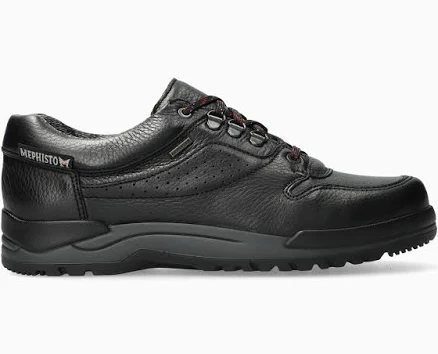
- leather, textile, rubber sole
- We found no PFAS statement from the brand
- Volatile organic compounds (VOC) off-gassing from adhesives
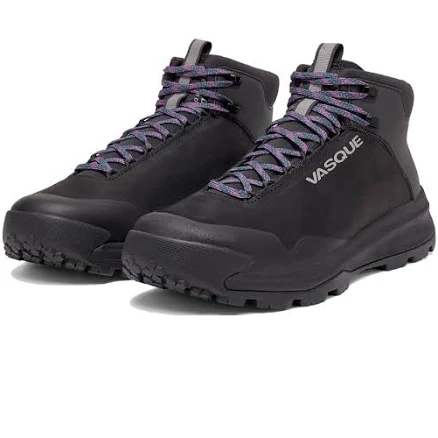
- Leather/nubuck upper, synthetic/rubber sole, no coating disclosed
- We found no PFAS statement from the brand
- Azo dyes (leather/textile coloring)
4 hazards checked on this product, all on its full breakdown.
Find an alternative on AmazonMore waterproof boots grades
How we score, every product runs through the same public 0-100 rubric based on materials, coatings, brand disclosure, lab findings, and recalls. See the full methodology → Spotted a mistake? Report an error.