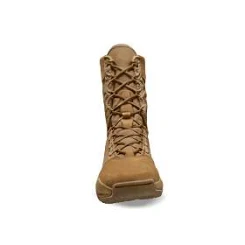
Nike Men's SFB B2
Unknown waterproofing chemistry; Nike does not disclose PFAS use.
Nike SFB B2 boots likely use water-repellent coating (water-repellent coating) treatment on canvas and leather, which historically used PFAS. Nike provides no public disclosure of PFAS-free materials or testing for this model.
Still want this one anyway? Check the price on Amazon. We’d swap it.
Material
Canvas, leather, rubber sole with water-repellent coating treatment
Lab data
No public lab test
You may also be interested in
Top-graded picks in the categories readers replace first, every one scored on the same rubric.

- polypropylene filter housing, carbon/sediment cartridge
- We found no PFAS statement from the brand
- Bacterial growth in spent cartridges
3 hazards checked on this product, all on its full breakdown.

Aquasure
Premier Series 75 GPD Under Sink Reverse Osmosis Water Filtration System
- RO membrane, carbon filters, stainless steel housing
- We found no PFAS statement from the brand
- Bacterial and microbial growth in housing and filters
4 hazards checked on this product, all on its full breakdown.

Avocado
Vegan Mattress
- organic cotton, natural latex, coconut coir, recycled steel coils
- The brand calls it PFAS-free, which we have not verified
- Heavy metals
2 hazards checked on this product, all on its full breakdown.
What Nike Men's SFB B2 is made of, ingredients and materials
The SFB B2 combines canvas uppers with leather panels and a rubber sole, all treated with a water-repellent coating (water-repellent coating) finish. water-repellent coating treatments on tactical footwear have historically relied on PFOA or PFOS-based fluorochemicals, though modern alternatives exist. Nike does not publicly disclose which chemistry is used on this model, creating uncertainty about long-term exposure risk through skin contact and wash water.
What’s concerning
Waterproof / stain-resistant treatment
Water-repellent coating treatments have historically used PFAS.
Category baseline
The starting point for this type of product, before anything specific to this product is counted.
No PFAS disclosure
No public statement from the brand about PFAS in this product.
PFAS
Nike's SFB B2 uses undisclosed water-repellent chemistry. Historically, tactical boots in this category relied on PFOA/PFOS; exact formulation unknown. Skin contact and wash water are primary exposure routes.
Source, ATSDR ↗Formaldehyde / VOCs
Canvas and leather often receive formaldehyde-based wrinkle or antimicrobial treatments. No specific reports for the SFB B2, but material class carries routine risk if finish layers are present.
Source, ATSDR ↗Azo dyes in leather or canvas
Leather and canvas dyes may include azo compounds (potential amine precursors). Nike does not disclose dye sourcing; no specific SFB B2 violations on record, but category-wide concern remains.
Coating degradation and leaching
Water-repellent coating coatings degrade over time and with washing, releasing residual fluorochemicals into wash water and soil. This is a general property of PFAS-based water-repellent coating finishes and applies if the SFB B2 uses traditional chemistry.
What’s reassuring
Rubber sole volatilization
Rubber soles can off-gas volatile organic compounds (VOCs), especially during break-in and storage in warm conditions. No specific health incidents reported for this model; typical for synthetic rubber footwear.
How is this PFAS grade calculated?
The brand's record and disclosure
Nike committed to phasing out PFAS by 2025 but has not transparently documented progress by product line or provided pre-2025 inventory clarity. The brand faces ongoing scrutiny for vague sustainability claims and has not earned third-party chemical disclosure certifications (such as BlueSign or GOTS) across its footwear line. No major safety recalls have been documented for the SFB B2 specifically, but Nike's opacity on water-repellent coating chemistry limits independent verification.
How it compares in its category
Tactical hiking boots in this price range typically use the same unlabeled water-repellent coating coatings; the SFB B2 is not an outlier. Some competitors (Salomon, ASICS) now market PFAS-free alternatives, though verification is limited. Canvas-leather blends are chemically simpler than synthetic uppers and reduce microfiber shedding risk, positioning the SFB B2 as a moderate choice within undisclosed footwear markets.
If you buy it
Minimize skin contact during break-in and avoid repeated washing, as each cycle may leach water-repellent coating residue. Store in a cool, dry place away from heat sources, which can accelerate coating degradation and chemical volatilization. Replace the boot after 2-3 years or when the sole shows wear, as waterproofing failure typically precedes structural failure. Request Nike's chemical safety data sheet before purchase if PFAS status is a dealbreaker for you.
What is not known about PFAS in this product?
- Basis
- Model estimate, 35% confidence, not a lab result
- Lab test
- None on record for this exact product
- Brand statement
- Nike has made a specific claim
Formulations change between production runs, so check the current label. How we grade.
What are the PFAS-free alternatives to Nike Men's SFB B2?
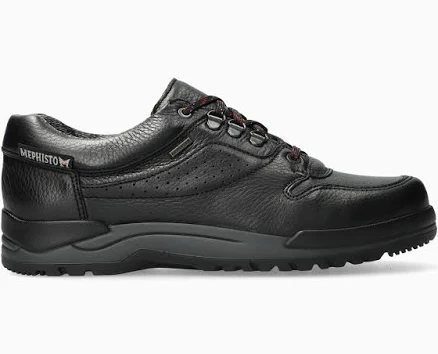
- leather, textile, rubber sole
- We found no PFAS statement from the brand
- Volatile organic compounds (VOC) off-gassing from adhesives
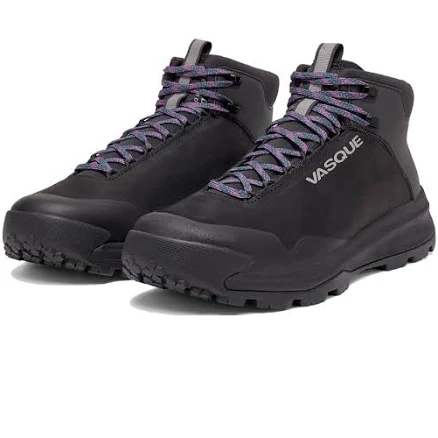
- Leather/nubuck upper, synthetic/rubber sole, no coating disclosed
- We found no PFAS statement from the brand
- Azo dyes (leather/textile coloring)
4 hazards checked on this product, all on its full breakdown.
Find an alternative on AmazonMore waterproof boots grades
How we score, every product runs through the same public 0-100 rubric based on materials, coatings, brand disclosure, lab findings, and recalls. See the full methodology → Spotted a mistake? Report an error.