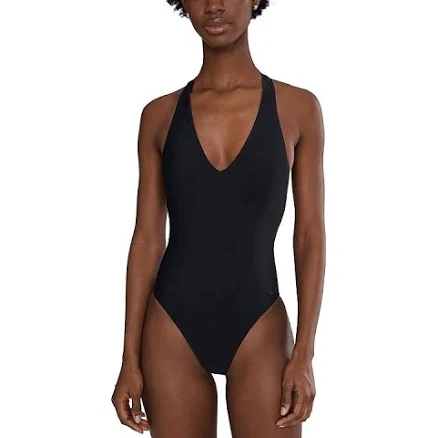
Nike Women's Hydralock Luxe V-Neck One Piece Swimsuit
Skip or contact Nike; swimwear water-repellent coating often uses PFAS, but brand discloses nothing.
Hydralock line uses water-repellent coating treatment common in performance swimwear, historically reliant on PFAS chemistry. Nike offers no PFAS disclosure or certification.
The better-graded swap
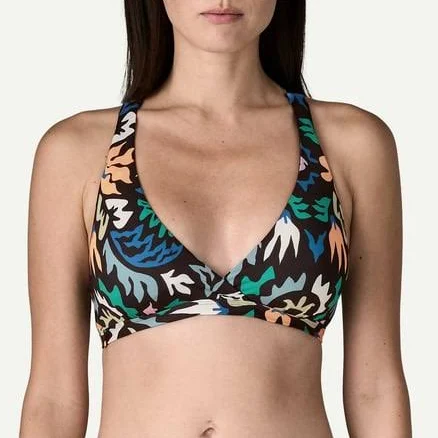
Patagonia
Patagonia Women's Bottom Turn Racerback Bikini Top
90/100 safety
Same rubric that flunked this product. The swap earned Excellent.
Still want this one anyway? Check the price on Amazon. We’d swap it.
Material
Nylon/polyester blend with water-repellent treatment
Lab data
No public lab test
You may also be interested in
Top-graded picks in the categories readers replace first, every one scored on the same rubric.

- polypropylene filter housing, carbon/sediment cartridge
- We found no PFAS statement from the brand
- Bacterial growth in spent cartridges
3 hazards checked on this product, all on its full breakdown.

Aquasure
Premier Series 75 GPD Under Sink Reverse Osmosis Water Filtration System
- RO membrane, carbon filters, stainless steel housing
- We found no PFAS statement from the brand
- Bacterial and microbial growth in housing and filters
4 hazards checked on this product, all on its full breakdown.

Avocado
Vegan Mattress
- organic cotton, natural latex, coconut coir, recycled steel coils
- The brand calls it PFAS-free, which we have not verified
- Heavy metals
2 hazards checked on this product, all on its full breakdown.
What Nike Women's Hydralock Luxe Piece Swimsuit is made of, ingredients and materials
This swimsuit is a nylon/polyester blend, both synthetic fibers chosen for stretch, durability, and quick-dry properties in water contact. The 'Hydralock' branding indicates a water-repellent (water-repellent coating) finish applied to the fabric, which typically involves fluorinated or non-fluorinated chemical treatments. The blend itself is stable under normal swimming conditions, but the water-repellent coating is the chemical unknown here, Nike has not publicly disclosed whether Hydralock uses PFAS or PFAS alternatives.
What’s concerning
Category baseline
The starting point for this type of product, before anything specific to this product is counted.
No PFAS disclosure
No public statement from the brand about PFAS in this product.
Waterproof / stain-resistant treatment
Water-repellent coating treatments have historically used PFAS.
Microfiber shedding during washing
Synthetic nylon/polyester blends shed microplastics with repeated laundering, a known feature of the material class. This is environmental rather than direct-to-wearer risk, but relevant to product lifecycle. Washing in a mesh bag and using cold water reduces shedding.
water-repellent coating degradation and leachables
Water-repellent coatings degrade over time and with washing; if the coating uses fluorinated compounds (most likely given the marketing focus on 'Hydralock'), breakdown byproducts are unknown and undisclosed. This is speculative without chemical analysis, but the non-transparency heightens concern.
Chlorine and saltwater degradation of fabric integrity
Repeated exposure to pool chlorine or saltwater can degrade nylon and polyester over time, particularly at seams and stretch panels. This affects garment lifespan and may increase microfiber shedding, not direct chemical toxicity.
What’s reassuring
Azo dyes and synthetic dye residues
Nylon and polyester swimwear routinely use synthetic colorants, but no safety alerts or contamination reports are documented for Nike Hydralock specifically. Standard dyeing processes for apparel are regulated, and direct skin exposure to dye residue is minimal after rinsing.
Formaldehyde / VOCs
Apparel finishing sometimes involves formaldehyde-based resins for crease resistance and color fastness. No such reports exist for this product; modern apparel manufacturing typically uses low-formaldehyde or formaldehyde-free processes, but pre-purchase washing is still advised.
Source, ATSDR ↗How is this PFAS grade calculated?
The brand's record and disclosure
Nike has faced scrutiny over PFAS in apparel and has made some commitments to phase out long-chain PFAS by 2030, but disclosure remains incomplete for specific product lines like swimwear. The company does not publish material safety data sheets or water-repellent coating chemistry details for most garments. No recalls or safety violations tied to this specific swimsuit are on record, but the lack of transparency is a red flag for informed purchasing.
How it compares in its category
Most mainstream swim brands (Speedo, Roxy, Lands' End) use similar nylon/polyester blends with water-repellent treatments, making this product typical rather than exceptional. Brands that explicitly avoid PFAS in water-repellent coating (using silicone or polyurethane alternatives) tend to market that fact prominently; Nike's silence suggests either standard PFAS-based treatment or reluctance to commit. For comparison, some eco-focused swimwear brands (e.g., Patagonia Clearwater line) disclose PFAS-free certifications.
If you buy it
Wash before first use to reduce surface treatments. Machine wash in cool water with mild detergent; avoid fabric softeners, which can interact with water-repellent coating coatings. Air dry flat to preserve coating integrity; high heat (dryer) can degrade both synthetic fibers and water-repellent chemicals. Replace when elasticity fails or water beading stops, typically after 50-100 wears. If PFAS exposure is a primary concern, contact Nike customer service to request water-repellent coating ingredient disclosure before committing.
What is not known about PFAS in this product?
- Basis
- Model estimate, 45% confidence, not a lab result
- Lab test
- None on record for this exact product
- Brand statement
- Nike has made a specific claim
Formulations change between production runs, so check the current label. How we grade.
What are the PFAS-free alternatives to Nike Women's Hydralock Luxe V-Neck One Piece Swimsuit?
- Nylon/polyester blend with elastane (standard swimwear)
- The brand calls it PFAS-free, which we have not verified
- Elastane (spandex) degradation under heat or chlorine
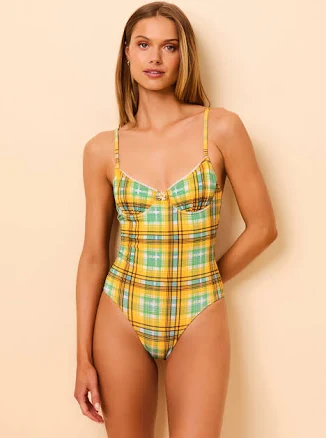
- Cotton/cotton-blend seersucker plaid
- We found no PFAS statement from the brand
- Azo dyes and colorfast stability
2 hazards checked on this product, all on its full breakdown.
Find an alternative on Amazon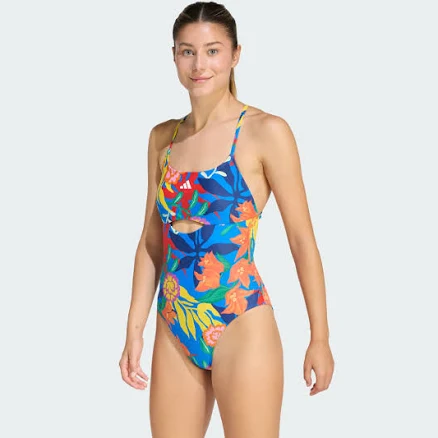
- Polyester/nylon swimsuit fabric, likely uncoated or standard finish
- Azo dyes and synthetic colorants
4 hazards checked on this product, all on its full breakdown.
Find an alternative on AmazonMore swimwear grades
How we score, every product runs through the same public 0-100 rubric based on materials, coatings, brand disclosure, lab findings, and recalls. See the full methodology → Spotted a mistake? Report an error.