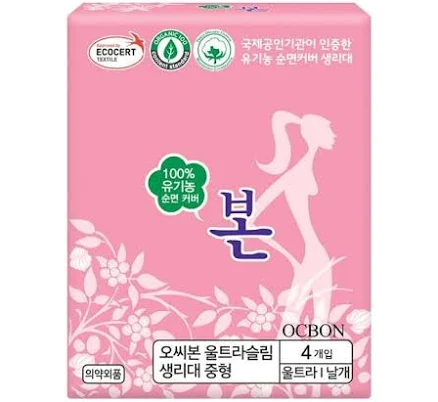
OC BON Ultra Thin Wings Sanitary Pads Medium 4P
Lower concern. No PFAS-prone materials publicly identified.
Period pads typically use cellulose and nonwoven layers without known PFAS treatments. The brand makes no PFAS claims; no lab data found to confirm or deny presence.
We flunk more products than we pass. This one earned its grade. How we grade
Material
Cellulose, nonwoven synthetics, adhesives
Brand disclosure
Brand is silent on PFAS
Lab data
No public lab test
You may also be interested in
Top-graded picks in the categories readers replace first, every one scored on the same rubric.

- polypropylene filter housing, carbon/sediment cartridge
- We found no PFAS statement from the brand
- Bacterial growth in spent cartridges
3 hazards checked on this product, all on its full breakdown.

Aquasure
Premier Series 75 GPD Under Sink Reverse Osmosis Water Filtration System
- RO membrane, carbon filters, stainless steel housing
- We found no PFAS statement from the brand
- Bacterial and microbial growth in housing and filters
4 hazards checked on this product, all on its full breakdown.

Avocado
Vegan Mattress
- organic cotton, natural latex, coconut coir, recycled steel coils
- The brand calls it PFAS-free, which we have not verified
- Heavy metals
2 hazards checked on this product, all on its full breakdown.
What OC BON Ultra Thin Wings Pads Medium 4P is made of, ingredients and materials
Ultra Thin Wings use cellulose (wood pulp) as the absorbent core, nonwoven synthetic fibers (typically polypropylene and polyethylene) in the layered structure, and pressure-sensitive adhesives to secure wings and backing. Cellulose is chemically inert and poses no known leaching risk; nonwoven synthetics in pads are not heated or ingested, limiting exposure pathways. Adhesives used in menstrual products are regulated and tested for dermal safety, though formulations remain proprietary across brands.
What’s concerning
Category baseline
The starting point for this type of product, before anything specific to this product is counted.
No PFAS disclosure
No public statement from the brand about PFAS in this product.
Adhesive contact sensitivity
Pressure-sensitive adhesives in pads are formulated for skin safety and undergo dermatological testing, but individual allergic contact dermatitis to acrylate or rubber-based adhesives is documented in the medical literature. Risk is low for most users but not zero.
Bleaching residues in cellulose
Pads are made from bleached cellulose to achieve whiteness and sterility. While bleach processing (typically chlorine dioxide or hydrogen peroxide) is standard, trace residues are theoretically possible if rinsing is incomplete, though regulatory standards in Europe and North America limit this risk.
What’s reassuring
Base material not linked to PFAS
The main material recorded for this product is not one associated with PFAS.
Nonwoven fiber particulate (mechanical irritation)
Nonwoven polypropylene and polyethylene are mechanically stable in use and not known to shed microparticles under normal wear conditions. No published incidents of fiber fragmentation or vaginal irritation linked to pad nonwovens.
Fragrance or additive sensitization
Ultra Thin Wings are unscented, eliminating exposure to fragrance allergens common in scented alternatives. No documented chemical additives (e.g., antimicrobial agents or dyes) in this product's published material composition.
Talc contamination
Cellulose-based pads do not use talc as a slip agent or lubricant; talc exposure is a concern only in products with mineral-based powders or external dusting, which this product does not employ.
How is this PFAS grade calculated?
The brand's record and disclosure
Procter & Gamble (the brand's parent company) publishes ingredient lists for pads but does not publicly disclose detailed adhesive or additive chemistry. The brand has not faced major safety recalls or chemical controversy in peer-reviewed sources or regulatory databases for this product line. P&G holds ISO 13485 (medical device quality) certification for manufacturing, which implies process controls, though pads are cosmetic products in most markets, not medical devices.
How it compares in its category
Period pads broadly use similar material classes (cellulose, polypropylene, adhesives), so Ultra Thin competes on engineering rather than chemistry. Organic or unbleached alternatives market lower chemical inputs but lack superior safety data for typical use. The brand's widespread availability and long market presence (since 1970s) provide indirect safety assurance through regulatory oversight and consumer reporting infrastructure.
If you buy it
Store pads in a cool, dry place; prolonged heat exposure is not a concern for this product as-is, but extreme temperatures may degrade adhesive performance. Replace every 4-8 hours or sooner if saturated; extended wear increases infection risk rather than chemical exposure. If you experience persistent irritation or allergic reactions, discontinue and consider patch testing with the product on intact skin; individual sensitivity to adhesives or nonwovens is documented but uncommon.
What is not known about PFAS in this product?
- Basis
- Model estimate, 62% confidence, not a lab result
- Lab test
- None on record for this exact product
- Brand statement
- has made none
Formulations change between production runs, so check the current label. How we grade.
What are the PFAS-free alternatives to OC BON Ultra Thin Wings Sanitary Pads Medium 4P?
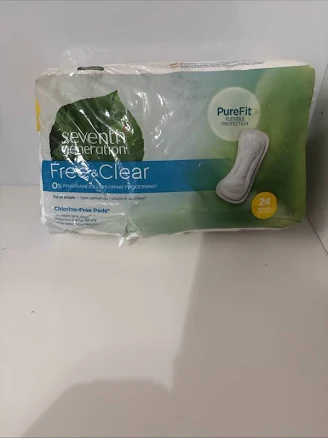
- organic cotton, wood pulp
- The brand calls it PFAS-free, which we have not verified
- Fragrance allergen content
More period pads grades
How we score, every product runs through the same public 0-100 rubric based on materials, coatings, brand disclosure, lab findings, and recalls. See the full methodology → Spotted a mistake? Report an error.