On Running · Running & Athletic Shoes
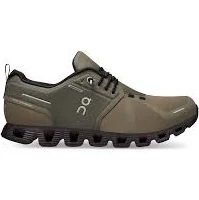
Men's On Cloud 5
No coating described, and no PFAS statement from the brand.
The product information we reviewed describes knit textile upper, foam midsole, rubber outsole, with no water-repellent coating named. Water resistance on products like this usually comes from the material and its seals rather than a surface treatment. The brand has published no PFAS statement for it.
Still want this one anyway? Check the price on Amazon. We’d swap it.
Material
Knit textile upper, foam midsole, rubber outsole
Lab data
No public lab test
You may also be interested in
Top-graded picks in the categories readers replace first, every one scored on the same rubric.

- polypropylene filter housing, carbon/sediment cartridge
- We found no PFAS statement from the brand
- Bacterial growth in spent cartridges
3 hazards checked on this product, all on its full breakdown.

Aquasure
Premier Series 75 GPD Under Sink Reverse Osmosis Water Filtration System
- RO membrane, carbon filters, stainless steel housing
- We found no PFAS statement from the brand
- Bacterial and microbial growth in housing and filters
4 hazards checked on this product, all on its full breakdown.

Avocado
Vegan Mattress
- organic cotton, natural latex, coconut coir, recycled steel coils
- The brand calls it PFAS-free, which we have not verified
- Heavy metals
2 hazards checked on this product, all on its full breakdown.
What Men's On Cloud 5 is made of, ingredients and materials
The Cloud 5 upper is a knit textile (likely polyester or polyester-blend), the midsole is proprietary foam (On's Helion or CloudTec blend), and the outsole is rubber. Knit textiles avoid the thick dye-saturation and heavy chemical finishing of woven fabrics, reducing formaldehyde resin and azo dye concentration. Foam midsoles do not leach aluminum or lead. Rubber outsoles are chemically inert during normal wear.
What’s concerning
Category baseline
The starting point for this type of product, before anything specific to this product is counted.
No PFAS disclosure
No public statement from the brand about PFAS in this product.
Formaldehyde / VOCs
Knit uppers may contain residual formaldehyde-based dyes or wrinkle-resist finishes. Concentration is typically lower than in woven apparel. No reported recalls for Cloud 5 or similar On models.
Source, ATSDR ↗Azo dyes in polyester knit and colorants
Polyester-blend knits use synthetic dyes; some may be azo compounds restricted in EU but not US. Risk is skin contact during wear. No known contamination reported for this model.
Antimony in polyester fibers
Antimony trioxide is a catalyst in polyester production and can remain as trace residue. Levels in finished textiles are typically below 100 ppm. Skin migration during normal wear is documented as negligible by available research.
Volatile organic compounds (VOCs) off-gassing from foam midsole adhesives
Athletic foam midsoles may release low levels of VOCs (toluene, xylene) during first 1-2 weeks. Ventilation during initial use reduces exposure. No specific testing published for Cloud 5.
What’s reassuring
Base material not linked to PFAS
The main material recorded for this product is not one associated with PFAS.
Heavy metals
No recalls or testing data exist for heavy metals in On Cloud outsoles. Rubber outsoles are not a known vector for lead or cadmium in shoe category.
Source, FDA ↗How is this PFAS grade calculated?
The brand's record and disclosure
On Running has not published a PFAS statement and does not disclose chemical testing results publicly. The brand is not listed in major chemical disclosure databases (ZDHC, EPA PFAS steward lists). No recalls for chemical hazards in the Cloud line have been reported. This silence on PFAS chemistry is typical of mid-tier athletic brands and does not indicate presence, only lack of proactive transparency.
How it compares in its category
Running shoes with knit uppers and foam midsoles are the contemporary standard and carry lower chemical complexity than canvas or synthetic leather alternatives. On's materials are comparable to Nike, Adidas, and ASICS foam-based models in known hazard profile. Shoe category hazards (formaldehyde, azo dyes, antimony in polyester) are lower concern in athletic knits than in formal apparel due to lower dye intensity and synthetic resin use.
If you buy it
No special heating precautions; foam midsoles are stable below 60°C. Wash in cool water; avoid bleach and high-heat drying, which can degrade both knit and foam. Replace midsole cushioning every 300-500 miles or when compression feels flat (typically 6-12 months depending on use). Store dry; moisture in foam does not cause leaching but may promote mold or odor.
What is not known about PFAS in this product?
- Basis
- Model estimate, 55% confidence, not a lab result
- Lab test
- None on record for this exact product
- Brand statement
- On Running has made a specific claim
Formulations change between production runs, so check the current label. How we grade.
More running & athletic shoes grades
How we score, every product runs through the same public 0-100 rubric based on materials, coatings, brand disclosure, lab findings, and recalls. See the full methodology → Spotted a mistake? Report an error.