On Running · Running & Athletic Shoes
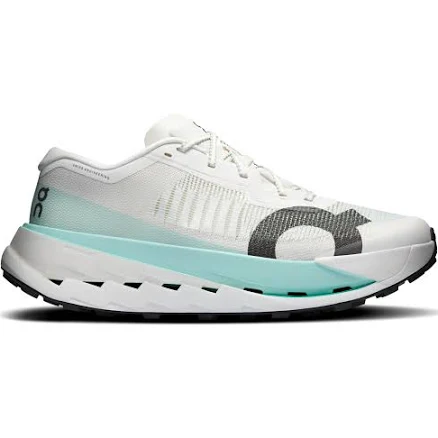
On Men's Running Cloudultra Pro
No coating described, and no PFAS statement from the brand.
The product information we reviewed describes textile upper, foam midsole, rubber outsole, with no water-repellent coating named. Water resistance on products like this usually comes from the material and its seals rather than a surface treatment. The brand has published no PFAS statement for it.
Still want this one anyway? Check the price on Amazon. We’d swap it.
Material
Textile upper, foam midsole, rubber outsole
Lab data
No public lab test
You may also be interested in
Top-graded picks in the categories readers replace first, every one scored on the same rubric.

- polypropylene filter housing, carbon/sediment cartridge
- We found no PFAS statement from the brand
- Bacterial growth in spent cartridges
3 hazards checked on this product, all on its full breakdown.

Aquasure
Premier Series 75 GPD Under Sink Reverse Osmosis Water Filtration System
- RO membrane, carbon filters, stainless steel housing
- We found no PFAS statement from the brand
- Bacterial and microbial growth in housing and filters
4 hazards checked on this product, all on its full breakdown.

Avocado
Vegan Mattress
- organic cotton, natural latex, coconut coir, recycled steel coils
- The brand calls it PFAS-free, which we have not verified
- Heavy metals
2 hazards checked on this product, all on its full breakdown.
What On Men's Running Cloudultra Pro is made of, ingredients and materials
The Cloudultra Pro uses a textile upper (synthetic and/or natural fiber blend), a proprietary foam midsole (likely polyurethane or EVA), and a rubber outsole. Textile uppers avoid ceramic or polymer coatings that typically harbor lead, cadmium, or problematic flame retardants. Foam midsoles are inert once cured and do not leach into skin under normal wear. Rubber outsoles are generally stable and do not degrade into microparticles during ordinary use.
What’s concerning
Category baseline
The starting point for this type of product, before anything specific to this product is counted.
No PFAS disclosure
No public statement from the brand about PFAS in this product.
Foam midsole degradation and microparticle shedding
EVA and polyurethane foams can break down over time, especially under UV, heat, and flex stress, potentially releasing small particles. The Cloudultra Pro's foam will degrade over its service life (500-800 km) as normal wear; this is not a manufacturing defect but expected material aging. Regular inspection and timely replacement prevent advanced deterioration.
What’s reassuring
Base material not linked to PFAS
The main material recorded for this product is not one associated with PFAS.
Formaldehyde / VOCs
Running shoe textiles may carry anti-wrinkle or water-resistant finishes. No formaldehyde-based resin finishes are documented for the Cloudultra Pro; most modern athletic textiles use non-formaldehyde treatments. On has not disclosed use of formaldehyde resins in public statements.
Source, ATSDR ↗Azo dyes and synthetic colorants
The shoe's black, white, or multi-color upper could theoretically contain azo dyes, which are restricted in EU and some US jurisdictions. No recalls or test reports of illegal azo dye levels in On Running footwear are on record. Skin contact risk is minimal if dyes are properly fixed during manufacturing.
Antimony in polyester components
If the textile upper contains polyester fibers (likely), antimony oxide may have been used as a catalyst during production. Antimony levels in finished polyester textiles are typically low and do not migrate into sweat or skin under normal wear. No public testing or complaints specific to On Running shoes for antimony contamination exist.
Flame retardants
Athletic footwear is not typically treated with brominated or chlorinated flame retardants unless marketed as fire-resistant. No evidence exists that On Running applies flame retardant coatings to running shoes in the Cloudultra line. The risk is consistent with standard athletic shoe chemistry.
Source, EPA ↗How is this PFAS grade calculated?
The brand's record and disclosure
On Running does not publish a comprehensive chemical disclosure or PFAS commitment statement visible in public databases. The brand has not faced major recalls related to heavy metals, formaldehyde, or dyes in athletic footwear. No independent testing reports of concerning levels of azo dyes or antimony in polyester components have been published for this model. Brand transparency on manufacturing practices and restricted substance lists remains below industry leaders like Adidas and Nike.
How it compares in its category
Running shoes in this price and performance tier typically use the same material classes (textile, foam, rubber) without special coatings. Most competitors do not disclose PFAS testing; On's 65/100 PFAS grade places it in the mid-range for the category. Shoes without water-resistant or stain-resistant surface treatments (which sometimes involve PFAS) carry lower chemical exposure risk. The Cloudultra Pro's material stack is representative of standard athletic footwear design.
If you buy it
Clean the upper with mild soap and water; avoid prolonged exposure to direct heat (>65°C) which could degrade foam integrity. Inspect the outsole and upper seams every 3-6 months for wear or separation; moisture inside the shoe should be aired out promptly to prevent mold. Replace the shoe when cushioning noticeably compresses or outsole traction is worn flat, typically after 500-800 km of running. Store in a cool, dry place; do not expose to solvents or aggressive bleach.
What is not known about PFAS in this product?
- Basis
- Model estimate, 45% confidence, not a lab result
- Lab test
- None on record for this exact product
- Brand statement
- On Running has made a specific claim
Formulations change between production runs, so check the current label. How we grade.
More running & athletic shoes grades
How we score, every product runs through the same public 0-100 rubric based on materials, coatings, brand disclosure, lab findings, and recalls. See the full methodology → Spotted a mistake? Report an error.