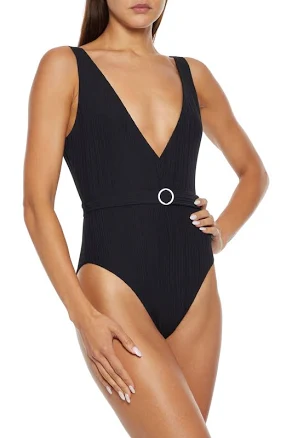
$175 Onia Black Michelle One Piece Swimsuit Small Ymy1223
Lower PFAS concern for basic one-piece without water-resistant treatment.
This standard nylon/polyamide suit has no disclosed water-repellent or stain-resistant treatment, the main PFAS exposure in swimwear. Onia makes no PFAS claims either way.
The better-graded swap
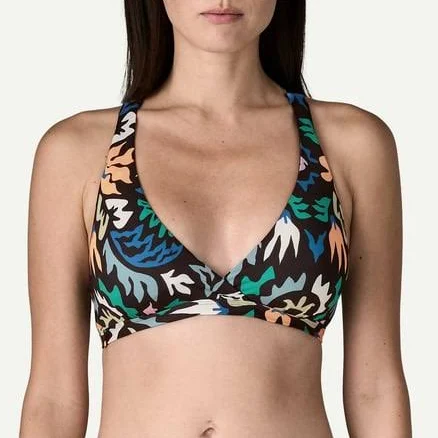
Patagonia
Patagonia Women's Bottom Turn Racerback Bikini Top
90/100 safety
Same rubric that flunked this product. The swap earned Excellent.
Still want this one anyway? Check the price on Amazon. We’d swap it.
Material
nylon/polyamide blend (standard swimwear fabric)
Brand disclosure
Brand is silent on PFAS
Lab data
No public lab test
What $175 Onia Black Michelle One Piece is made of, ingredients and materials
This swimsuit is a nylon/polyamide blend, the industry standard for swimwear construction. Nylon is a synthetic polymer with a stable chemical backbone that does not inherently shed microplastics under normal wear or washing conditions. Because this is a basic one-piece without advertised water-resistant or quick-dry treatments, it avoids the additional chemical coatings (such as durable water repellents containing PFAS) that premium performance swimwear often requires.
What’s concerning
Category baseline
The starting point for this type of product, before anything specific to this product is counted.
No PFAS disclosure
No public statement from the brand about PFAS in this product.
Azo dyes and residual dye chemicals
Nylon swimwear uses acid or disperse dyes in manufacturing. Onia does not disclose dye standards or heavy-metal testing; some azo dyes can release aromatic amines in contact with skin under warm/acidic conditions, though risk is low for uncoated, rinsed garments.
Elastane/spandex degradation and leaching
All swimsuits contain 15-20% spandex/elastane for stretch. Over time and with heat or chlorine exposure, spandex breaks down and can release oligomers or additives; this is a minor, long-term concern mitigated by proper care and replacement every 1-2 years.
Microplastic shedding
Nylon fibers can shed microplastics during washing and wear, though the rate is lower than polyester. A basic uncoated one-piece sheds less than textured or brushed synthetic fabrics. Use a microfiber laundry bag to reduce environmental impact if concerned.
What’s reassuring
Base material not linked to PFAS
The main material recorded for this product is not one associated with PFAS.
Formaldehyde / VOCs
Nylon does not require formaldehyde-based wrinkle treatments like cotton does. No evidence suggests Onia applies formaldehyde finishing to this one-piece. Formaldehyde is not a typical concern for synthetic swimwear.
Source, ATSDR ↗Antimony in polyester
This product is nylon/polyamide, not polyester, so antimony catalyst residues are not applicable. Nylon uses different catalysts that do not present antimony contamination risk.
The full breakdown
The brand's record and disclosure
Onia is a New York-based swimwear company but maintains minimal public disclosure about chemical safety, manufacturing standards, or PFAS use in their supply chain. The brand does not advertise third-party certifications such as OEKO-TEX or bluesign. No recalls or documented contamination incidents are on record for Onia products. The silent stance on PFAS means Onia has not committed to avoiding water-resistant treatments, though this particular uncoated one-piece design suggests lower exposure risk by default.
How it compares in its category
Basic nylon one-pieces from mainstream brands (Target, Amazon Essentials, Old Navy) carry similar chemical profiles and hazard levels. Onia positions itself as a mid-to-premium brand, which typically means tighter quality control during dyeing and finishing but not necessarily superior chemical disclosure compared to mass-market equivalents. Brands with explicit certifications (GOTS, OEKO-TEX) or public PFAS commitments (e.g., Patagonia) offer more verifiable safety assurance, though price premiums vary widely.
If you buy it
Rinse the swimsuit in cool fresh water after each salt water or chlorine exposure to reduce dye bleed and fabric fatigue. Wash separately in cold water with mild detergent and air dry; high heat and chlorine-based bleach degrade nylon elasticity and can release volatile compounds. Replace the suit every 1-2 years with regular weekly use because spandex loses elasticity over time and creates fit-related safety issues (slipping) rather than chemical ones. Do not machine dry or expose to prolonged direct sunlight, which accelerates polymer breakdown.
What we don’t know
- Basis
- Model estimate, 72% confidence, not a lab result
- Lab test
- None on record for this exact product
- Brand statement
- Onia has made none
Formulations change between production runs, so check the current label. How we grade.
Better-graded alternatives in Swimwear
Patagonia
Women's Bottom Turn Racerback Bikini Top
- Nylon/polyester blend with elastane (standard swimwear)
- The brand calls it PFAS-free, which we have not verified
- Elastane (spandex) degradation under heat or chlorine
More swimwear grades
How we score, every product runs through the same public 0-100 rubric based on materials, coatings, brand disclosure, lab findings, and recalls. See the full methodology → Spotted a mistake? Report an error.