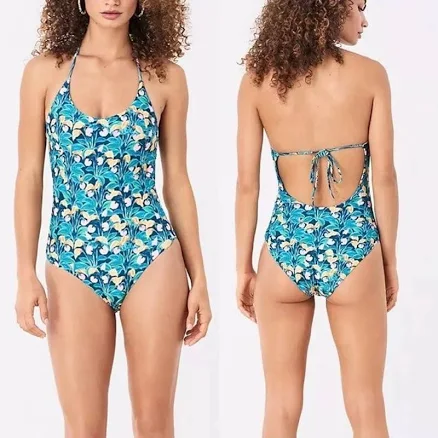
Onia DVF X Ginny One Piece Swimsuit - New Women
Lower concern, standard swimwear without documented PFAS treatment, though no public commitment.
A basic nylon/polyester one-piece with no known water-resistant or stain-resistant finish, which reduces PFAS risk versus performance swimwear. Onia makes no public PFAS claims or certifications.
The better-graded swap
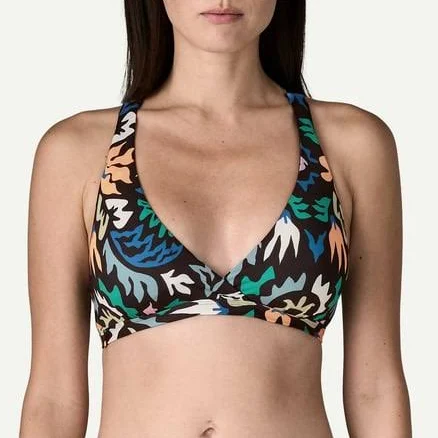
Patagonia
Patagonia Women's Bottom Turn Racerback Bikini Top
90/100 safety
Same rubric that flunked this product. The swap earned Excellent.
Still want this one anyway? Check the price on Amazon. We’d swap it.
Material
Nylon/polyester blend swimwear (likely nylon 6/6 or polyester with elastane)
Brand disclosure
Brand is silent on PFAS
Lab data
No public lab test
What Onia DVF X Ginny One Piece Swimsuit - New is made of, ingredients and materials
This is a nylon/polyester blend one-piece, almost certainly nylon 6 or 6/6 with elastane (spandex) for stretch. Nylon and polyester are synthetic thermoplastics; when exposed to heat or chlorine they can degrade, but this is slower in swimwear fabrics than in other textiles because swimwear nylon is engineered for water and UV resistance. Elastane is the weak point for longevity, it breaks down faster than the base fibers, which is why even well-made swimsuits lose elasticity after 1-2 seasons of regular use. No inherent toxicity to the base polymers themselves at normal wear and body temperatures.
What’s concerning
Category baseline
The starting point for this type of product, before anything specific to this product is counted.
No PFAS disclosure
No public statement from the brand about PFAS in this product.
Elastane (spandex) degradation over time
Elastane fibers degrade through chlorine, UV, heat, and repeated washing. As elastane breaks down, microfiber shedding increases; this is normal wear, not a manufacturing defect, but contributes to microplastic pollution in water. No toxicity from wearing degraded elastane itself.
Azo dyes and color fastness
No OEKO-TEX or dyeing standard certification provided by Onia. Nylon dyes poorly without heavy metal mordants; if this product uses conventional azo dyes without restricted azo compound screening, cadmium or lead exposure is theoretically possible through dye leaching. Industry best practice testing is absent.
Antimony in polyester
Polyester production often uses antimony trioxide as a catalyst. Most finished garments contain only trace residues and present negligible skin contact risk. No test data available for this specific product; risk is low but unverified.
Microplastic shedding when worn and washed
All synthetic fiber garments shed microplastics during washing and wear. Nylon and polyester one-pieces shed at rates similar to the broader swimwear category; no product-specific data exists, but this is an established environmental hazard, not a direct wearer health hazard.
What’s reassuring
Base material not linked to PFAS
The main material recorded for this product is not one associated with PFAS.
Formaldehyde / VOCs
Swimwear nylon and polyester typically use minimal formaldehyde-release finishes compared to cotton textiles. Onia provides no chemical inventory, but formaldehyde in this product class is uncommon and would be detected on skin (irritation) at significant levels.
Source, ATSDR ↗The full breakdown
The brand's record and disclosure
Onia is a US-based swimwear brand (founded 2009) with no public certifications (ISO, GOTS, OEKO-TEX) or chemical transparency reports on file. The brand does not publicly commit to PFAS-free manufacturing or provide third-party test results for this product line. This silence is typical for mainstream swimwear but offers no independent assurance. No major recalls or health complaints tied to Onia swimwear have been documented in consumer safety databases.
How it compares in its category
Onia sits in the mid-to-premium segment of swimwear; competitors at similar price points (Rag & Bone, Solid & Striped) also lack public chemical disclosure. Brands with stronger transparency (Patagonia, Girlfriend Collective) offer certified recycled nylon or OEKO-TEX-tested fabrics and publish PFAS test data, Onia does not. For an unverified brand, this product is unremarkable in safety profile; it is neither better nor worse than most conventional nylon/polyester swimwear on the market.
If you buy it
Rinse immediately after swimming in chlorine or salt water to reduce polymer stress. Wash in cool water (not hot) and air-dry flat or hanging; heat in the dryer accelerates elastane breakdown. Avoid fabric softener and bleach. Replace after 1-2 seasons of regular weekly use, or sooner if elastane loses snap. If worn infrequently (a few times per year), it will last longer. Store dry in a cool place away from direct sunlight.
What we don’t know
- Basis
- Model estimate, 72% confidence, not a lab result
- Lab test
- None on record for this exact product
- Brand statement
- Onia has made none
Formulations change between production runs, so check the current label. How we grade.
Better-graded alternatives in Swimwear
Patagonia
Women's Bottom Turn Racerback Bikini Top
- Nylon/polyester blend with elastane (standard swimwear)
- The brand calls it PFAS-free, which we have not verified
- Elastane (spandex) degradation under heat or chlorine
More swimwear grades
How we score, every product runs through the same public 0-100 rubric based on materials, coatings, brand disclosure, lab findings, and recalls. See the full methodology → Spotted a mistake? Report an error.