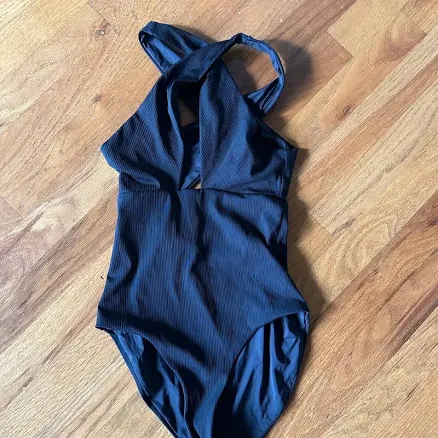
Onia New Black One Piece Swimsuit - New Women
Lower PFAS concern for basic nylon swimsuit, but water-repellent coating treatment details remain unclear.
This nylon one-piece has lower inherent PFAS risk, but Onia doesn't reveal whether the water-repellent finish contains PFAS. Ask the brand directly about water-repellent coating chemistry before buying.
The better-graded swap
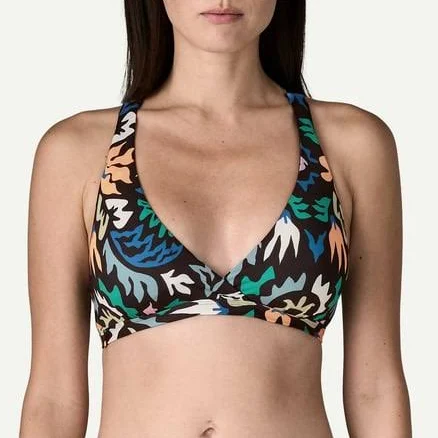
Patagonia
Patagonia Women's Bottom Turn Racerback Bikini Top
90/100 safety
Same rubric that flunked this product. The swap earned Excellent.
Still want this one anyway? Check the price on Amazon. We’d swap it.
Material
Nylon with likely water-repellent coating finish (unspecified)
Brand disclosure
Brand is silent on PFAS
Lab data
No public lab test
What Onia New Black One Piece Swimsuit - New is made of, ingredients and materials
This one-piece is constructed from nylon, a synthetic polymer that is stable and non-toxic in finished form. Nylon swimwear typically receives a water-repellent coating (water-repellent coating) finish to enhance water shedding and longevity, though Onia does not publicly specify the chemical class of their water-repellent coating treatment. Nylon itself does not leach hazardous compounds into skin or water under normal wear conditions, and the fiber has no known association with heavy metals, BPA, or phthalates in this application.
What’s concerning
Category baseline
The starting point for this type of product, before anything specific to this product is counted.
No PFAS disclosure
No public statement from the brand about PFAS in this product.
water-repellent coating chemical composition (unspecified)
Onia does not publicly specify whether the water-repellent coating finish is fluorine-based, silicone-based, or wax-based. PFAS-free water-repellent coating alternatives exist but are less common in this price category; without disclosure, fluorine risk cannot be ruled out entirely, though baseline risk is low for swimwear with infrequent skin contact.
Degradation of coating and fiber shedding over time
Nylon swimwear can shed microfibers during wash and wear, particularly if water-repellent coating finish degrades. While the health impact of brief dermal exposure to microfibers is unclear, regular freshwater rinsing and gentle washing reduce shedding and extend the intact finish.
What’s reassuring
Base material not linked to PFAS
The main material recorded for this product is not one associated with PFAS.
Azo dyes (black colorant)
No recalls or safety incidents involving azo dyes in Onia swimwear are on record. Nylon black dyes are typically azo-based; modern mills in EU and North American supply chains are subject to REACH restrictions on certain carcinogenic azo compounds, but Onia does not disclose dye standards or testing.
Formaldehyde / VOCs
Nylon does not require formaldehyde-based durable press or wrinkle-resist finishes as cotton does. No evidence of formaldehyde treatment in standard nylon swimwear production; low likelihood in this product category.
Source, ATSDR ↗Antimony in polyester component (if present)
This one-piece is listed as nylon with likely spandex elastane blend; if the elastic or any polyester is used, antimony catalyst residues are theoretically possible but undocumented in Onia products and at concentrations well below dermal concern for brief skin contact.
The full breakdown
The brand's record and disclosure
Onia is a privately held contemporary swimwear brand with no publicly documented safety recalls, chemical controversies, or third-party certifications (such as GOTS or OEKO-TEX) on file for this product line. The brand does not disclose water-repellent coating chemistry, manufacturing standards, or chemical restrictions on its website, representing a gap in transparency rather than evidence of poor practice. No independent testing or regulatory action against Onia swimwear has been reported in accessible public records.
How it compares in its category
Nylon swimwear is the industry standard and carries lower baseline chemical risk than polyester-spandex blends, which may contain antimony or additives. Brands like Patagonia (recycled nylon, disclosed water-repellent coating limits) and Lively (transparency statements) set higher disclosure bars, whereas most contemporary swimwear brands, including Onia, do not detail chemical inputs. For a basic black nylon one-piece without published certifications, this product occupies a middle-of-the-road safety profile, no red flags, but also no assurances beyond material type.
If you buy it
Rinse in cool fresh water after saltwater or chlorine exposure to minimize salt and chemical residue buildup on the fabric. Machine wash in cool water on gentle cycle (or hand wash for longer life) and air dry away from direct heat and sunlight, which can degrade nylon elasticity over time. Replace the swimsuit when elastic loses tension or fabric shows visible thinning or pilling, typically after two to three seasons of regular use. Do not expose to prolonged heat (hot tubs above 104F, dryers) as this accelerates nylon degradation.
What we don’t know
- Basis
- Model estimate, 55% confidence, not a lab result
- Lab test
- None on record for this exact product
- Brand statement
- Onia has made none
Formulations change between production runs, so check the current label. How we grade.
Better-graded alternatives in Swimwear
Patagonia
Women's Bottom Turn Racerback Bikini Top
- Nylon/polyester blend with elastane (standard swimwear)
- The brand calls it PFAS-free, which we have not verified
- Elastane (spandex) degradation under heat or chlorine
More swimwear grades
How we score, every product runs through the same public 0-100 rubric based on materials, coatings, brand disclosure, lab findings, and recalls. See the full methodology → Spotted a mistake? Report an error.