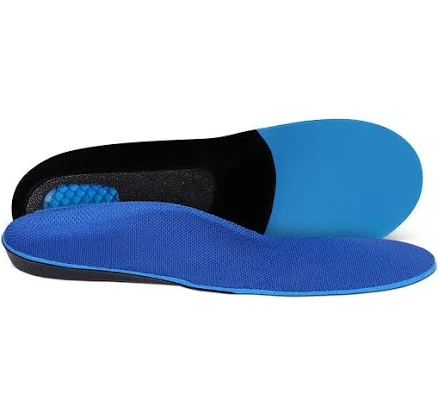
Orthofeet · Synthetic Athletic Insoles & Orthotics
Men's Orthofeet Biosole Gel Sport
No water-resistant treatment visible. Likely lower PFAS concern.
This Orthofeet sport shoe uses gel insoles and standard textile and rubber construction with no disclosed waterproof or stain-resistant coating. The brand stays silent on PFAS but common materials suggest lower risk if no hidden treatments exist.
Still want this one anyway? Check the price on Amazon. We’d swap it.
Material
Gel insole, textile upper, rubber sole
Brand disclosure
Brand is silent on PFAS
Lab data
No public lab test
You may also be interested in
Top-graded picks in the categories readers replace first, every one scored on the same rubric.

Aqua Pure
3M Aqua-Pure AP802B Whole House Filter Housing
- polypropylene filter housing, carbon/sediment cartridge
- We found no PFAS statement from the brand
- Bacterial growth in spent cartridges
3 hazards checked on this product. See all of them.

Aquasure
Premier Series 75 GPD Under Sink Reverse Osmosis Water Filtration System
- RO membrane, carbon filters, stainless steel housing
- We found no PFAS statement from the brand
- Bacterial and microbial growth in housing and filters
4 hazards checked on this product. See all of them.

Avocado
Vegan Mattress
- organic cotton, natural latex, coconut coir, recycled steel coils
- The brand calls it PFAS-free, which we have not verified
- Heavy metals
2 hazards checked on this product. See all of them.
What Men's Orthofeet Biosole Gel Sport is made of, ingredients and materials
Orthofeet Biosole Gel Sport combines a textile upper, elastomeric gel insole, and rubber outsole. The gel insert is typically a thermoplastic elastomer or polyurethane compound designed for shock absorption and arch support; these materials are chemically stable when cured and pose minimal leaching risk under normal foot-temperature conditions (below 40°C). The textile upper and rubber sole are standard footwear construction, though dyes used in the textile and any chemical finishes on the upper warrant attention in the hazard review.
What’s concerning
Category baseline
The starting point for this type of product, before anything specific to this product is counted.
No PFAS disclosure
No public statement from the brand about PFAS in this product.
Azo dyes in textile upper
Footwear textiles frequently use azo dyes without restriction in most markets. No specific allergen or carcinogenic azo dye (e.g., benzidine-based) is known to be in this product, but full dye formulation is not publicly disclosed. Risk is dermal contact; individuals with sensitive skin should test fit before extended wear.
Formaldehyde / VOCs
Fabric coatings and wrinkle-resistance or water-repellent treatments applied to footwear textiles may contain formaldehyde releasers. Orthofeet does not advertise formaldehyde-free construction. Symptoms are rare in footwear; off-gassing diminishes sharply after 1-2 weeks of wear.
Source, ATSDR ↗Antimony in polyester components
If the textile upper or lining contains polyester, catalyst residues (antimony trioxide) from polyester fiber production may remain at trace levels. Standard polyester in mainstream footwear carries minimal skin-contact risk, but no third-party testing confirms antimony absence in this model.
What’s reassuring
Base material not linked to PFAS
The main material recorded for this product is not one associated with PFAS.
Gel insole thermal stability under load
Thermoplastic elastomer and polyurethane gels used in orthopedic insoles are chemically stable under normal body-temperature and wear conditions. No leaching of BPA, phthalates, or other plasticizers is documented or expected at foot-contact temperatures below 40°C.
Heavy metals
Footwear dyes and colorants are subject to EU and US import restrictions on lead and cadmium in painted or coated items, though standards vary by jurisdiction. No specific heavy-metal contamination has been reported for Orthofeet products. Risk is minimal compared to vintage or budget footwear from unregulated sources.
Source, FDA ↗The full breakdown
The brand's record and disclosure
Orthofeet is a specialty footwear brand focused on comfort and orthopedic function, with no major public safety recalls or chemical-disclosure controversies on record. The company's silence on PFAS (and broader chemical accountability) is typical of mid-market footwear brands and does not indicate documented misuse of water-repellent coating treatments. No third-party certifications (e.g., bluesign, GOTS) are widely advertised for this model, placing it in the non-certified mainstream footwear segment.
How it compares in its category
Men's sport shoes in this price and function class rarely undergo rigorous chemical auditing. Orthofeet's emphasis on gel-cushioned comfort aligns with athletic and casual footwear norms, without specialized material claims (e.g., recycled content, organic cotton) that would raise or lower hazard expectations. The lack of visible water-repellent treatment is a small advantage over water-repellent coating-treated athletic shoes, which may carry higher PFAS exposure risk.
If you buy it
Wear the shoe in normal conditions (no prolonged high-temperature exposure like ovens or direct flame). Wash textiles separately in cold water if staining or heavy soiling occurs; avoid chlorine bleach and high-heat drying, which can degrade elastomeric components and release volatile compounds. Replace insoles if gel visibly degrades, cracks, or emits chemical odor. Store in a cool, dry place; off-gassing is minimal but adequate ventilation during the first week of wear is prudent.
What we don’t know
- Basis
- Model estimate, 72% confidence, not a lab result
- Lab test
- None on record for this exact product
- Brand statement
- Orthofeet has made none
Formulations change between production runs, so check the current label. How we grade.
More synthetic athletic insoles & orthotics grades
How we score, every product runs through the same public 0-100 rubric based on materials, coatings, brand disclosure, lab findings, and recalls. See the full methodology → Spotted a mistake? Report an error.