Orthofeet · Synthetic Athletic Insoles & Orthotics
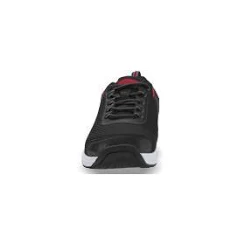
Orthofeet Edgewater Men's
No disclosed PFAS concerns. Shoe fabric typically poses lower risk.
Orthofeet makes orthopedic footwear with standard textile and rubber construction. The brand won't disclose PFAS treatment or sourcing, though typical shoe materials pose lower PFAS concern unless water-resistant treatment was applied.
Still want this one anyway? Check the price on Amazon. We’d swap it.
Material
textile upper, cushioned midsole, rubber sole
Brand disclosure
Brand is silent on PFAS
Lab data
No public lab test
You may also be interested in
Top-graded picks in the categories readers replace first, every one scored on the same rubric.

Aqua Pure
3M Aqua-Pure AP802B Whole House Filter Housing
- polypropylene filter housing, carbon/sediment cartridge
- We found no PFAS statement from the brand
- Bacterial growth in spent cartridges
3 hazards checked on this product. See all of them.

Aquasure
Premier Series 75 GPD Under Sink Reverse Osmosis Water Filtration System
- RO membrane, carbon filters, stainless steel housing
- We found no PFAS statement from the brand
- Bacterial and microbial growth in housing and filters
4 hazards checked on this product. See all of them.

Avocado
Vegan Mattress
- organic cotton, natural latex, coconut coir, recycled steel coils
- The brand calls it PFAS-free, which we have not verified
- Heavy metals
2 hazards checked on this product. See all of them.
What Orthofeet Edgewater Men's is made of, ingredients and materials
The Edgewater upper is textile (likely synthetic or cotton-blend mesh typical of orthopedic casual shoes), with a cushioned midsole (commonly EVA or polyurethane foam) and rubber outsole. Textile uppers present lower chemical risk than leather or heavily treated synthetic materials, provided dyes and finishes are conventional. The midsole foam and rubber sole are standard footwear components with well-understood safety profiles when not exposed to extreme heat.
What’s concerning
Category baseline
The starting point for this type of product, before anything specific to this product is counted.
No PFAS disclosure
No public statement from the brand about PFAS in this product.
Azo dyes in textile upper
Synthetic textile uppers may use azo dyes, which can degrade into aromatic amines under sweat and body heat. No specific evidence for Orthofeet; standard footwear concern for colored textiles without certified dye standards.
Formaldehyde / VOCs
Casual textile footwear uppers may receive formaldehyde-based finishes for wrinkle resistance or water repellency. Orthofeet does not publish finish specifications; risk is typical for untreated synthetic fabrics in this category.
Source, ATSDR ↗Polyurethane or EVA midsole degradation
Cushioned midsoles in orthopedic shoes are often polyurethane or EVA foam, which degrade under repeated stress and heat, shedding microparticles. This is a wear-out concern rather than acute toxicity; accelerated by improper storage or heat exposure.
Antimony in polyester components
If midsole or secondary reinforcement uses polyester, antimony (a catalytic byproduct in polyester synthesis) may be present in trace amounts. No evidence specific to Orthofeet; standard polyester footwear concern at low levels.
What’s reassuring
Base material not linked to PFAS
The main material recorded for this product is not one associated with PFAS.
Heavy metals
No recalls or reports of lead, cadmium, or arsenic in Orthofeet textile products. Risk exists for all colored textiles but is not documented for this brand.
Source, FDA ↗The full breakdown
The brand's record and disclosure
Orthofeet is a niche orthopedic footwear manufacturer with no public transparency on chemical inputs, certifications (such as OEKO-TEX or bluesign), or material sourcing. The brand has not faced widely reported safety recalls or chemical contamination incidents. No formal statement on PFAS use has been disclosed, which is typical for smaller footwear brands; silence does not indicate presence, but absence of third-party certification limits independent verification of textile treatments.
How it compares in its category
Orthopedic casual shoes like this typically use simpler, less-treated uppers than performance athletic or waterproofed footwear, reducing exposure to flame retardants, water repellents, and heavy-duty dyes. Compared to major athletic brands (Nike, Adidas), Orthofeet offers less public accountability but also markets to smaller populations, reducing likelihood of regulatory attention or scandal. The material composition sits in the middle-low risk band for textiles in footwear.
If you buy it
Wash or wipe the upper with mild soap and cool water; avoid prolonged heat (do not machine wash, dry in air). Inspect the midsole annually for compression or foam breakdown, which signals foam degradation; replace after 12-18 months of regular wear or if cushioning visibly flattens. Store in a cool, dry place away from direct sunlight and heat sources to slow foam oxidation. If dye leaches onto skin or irritation appears after extended wear, discontinue use and consider sensitivity to azo dyes or finishes.
What we don’t know
- Basis
- Model estimate, 72% confidence, not a lab result
- Lab test
- None on record for this exact product
- Brand statement
- Orthofeet has made none
Formulations change between production runs, so check the current label. How we grade.
More synthetic athletic insoles & orthotics grades
How we score, every product runs through the same public 0-100 rubric based on materials, coatings, brand disclosure, lab findings, and recalls. See the full methodology → Spotted a mistake? Report an error.