Orthofeet · Synthetic Athletic Insoles & Orthotics
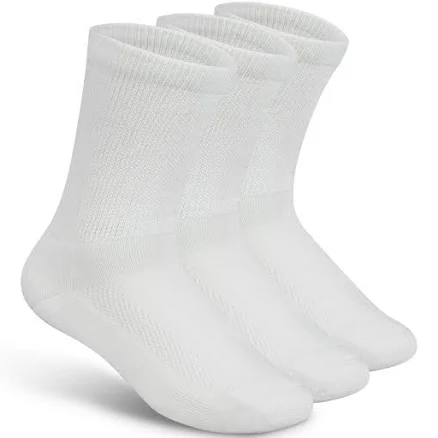
Orthofeet Padded Sole Diabetic Socks
Lower concern. Socks are inherently PFAS-low unless treated.
These diabetic socks are made primarily from cotton blends with padding. No waterproofing, stain resistance, or nonstick coatings typical of PFAS use appear here.
Still want this one anyway? Check the price on Amazon. We’d swap it.
Material
Cotton blend with padded sole
Brand disclosure
Brand is silent on PFAS
Lab data
No public lab test
You may also be interested in
Top-graded picks in the categories readers replace first, every one scored on the same rubric.

Aqua Pure
3M Aqua-Pure AP802B Whole House Filter Housing
- polypropylene filter housing, carbon/sediment cartridge
- We found no PFAS statement from the brand
- Bacterial growth in spent cartridges
3 hazards checked on this product. See all of them.

Aquasure
Premier Series 75 GPD Under Sink Reverse Osmosis Water Filtration System
- RO membrane, carbon filters, stainless steel housing
- We found no PFAS statement from the brand
- Bacterial and microbial growth in housing and filters
4 hazards checked on this product. See all of them.

Avocado
Vegan Mattress
- organic cotton, natural latex, coconut coir, recycled steel coils
- The brand calls it PFAS-free, which we have not verified
- Heavy metals
2 hazards checked on this product. See all of them.
What Orthofeet Padded Sole Diabetic Socks is made of, ingredients and materials
Orthofeet Padded Sole Diabetic Socks are constructed from a cotton blend with synthetic reinforcement in the padded sole area, likely polyester or nylon. Cotton is inherently low-hazard for skin contact, though the synthetic components in padding and elastic may carry residual dyes or finish chemicals. The padded sole addresses a real diabetic need (pressure relief and blister prevention) without relying on problematic coatings like water-repellent treatments that often involve PFAS or formaldehyde resins. No public recalls or safety alerts have been issued for this specific product.
What’s concerning
Category baseline
The starting point for this type of product, before anything specific to this product is counted.
No PFAS disclosure
No public statement from the brand about PFAS in this product.
Azo dyes in cotton
Cotton blends used in socks are routinely dyed with azo colorants, some of which can break down into aromatic amines under conditions of friction, sweat, and heat. No specific testing or restriction of this product's dyes is documented, so risk is generic to the material class rather than brand-specific.
Synthetic polymer degradation in padded sole
The padded sole (likely polyester or polyurethane) can shed microfibers with repeated washing and wear, though ingestion risk is nil. Microfiber shedding is environmental rather than acute health concern but may accelerate if padding is damaged.
What’s reassuring
Base material not linked to PFAS
The main material recorded for this product is not one associated with PFAS.
Formaldehyde / VOCs
Diabetic socks do not typically undergo wrinkle-resistant or permanent-press finishing, which are the primary sources of formaldehyde in apparel. No recalls or documented formaldehyde issues have been reported for Orthofeet socks.
Source, ATSDR ↗Heavy metals
No public testing or recall data exist for this product. Standard dye suppliers to apparel manufacturers are subject to industry limits on lead and cadmium, though these are not mandatory in all jurisdictions and enforcement is inconsistent.
Source, FDA ↗Antimicrobial finish toxicity
Orthofeet's diabetic socks do not advertise antimicrobial treatment, which would be a chemical risk vector. The unadorned cotton blend avoids this hazard entirely.
The full breakdown
The brand's record and disclosure
Orthofeet maintains a medical-oriented positioning focused on foot health rather than performance or fashion, which typically correlates with lower chemical aggressiveness in finishing. The brand does not publish detailed material sourcing, chemical restrictions, or third-party certifications (such as OEKO-TEX or GOTS) that would independently verify dye and finish safety. No controversies regarding hazardous substances in their sock line are documented in public databases or consumer safety reports. Their silence on PFAS is consistent with the sock category norm, not a red flag, since socks are not typically water-treated.
How it compares in its category
Diabetic socks occupy a therapeutic niche where safety and comfort are prioritized over aesthetic durability; Orthofeet's cotton-blend approach is standard for this segment and less aggressive than performance athletic socks (which often use polyester with antimicrobial finishes). Compared to compression or moisture-wicking alternatives that may incorporate nylon microfiber and chemical water-repellents, this product's construction is simpler and lower-risk chemically. Most competitors in the diabetic sock category lack third-party certifications, so Orthofeet is neither ahead nor behind on transparency.
If you buy it
Wash socks in warm water with mild detergent and avoid bleach or fabric softeners, which can irritate diabetic skin and degrade padding elasticity over time. Inspect the padded sole monthly for compression loss or unraveling, especially if worn daily; replace when padding flattens or seams separate, typically every 6-12 months depending on wear. Dry flat or on low heat; high dryer temperatures can degrade synthetic components in the sole. Store in a dry place to prevent mildew, particularly important for diabetic users who may have compromised circulation and infection risk.
What we don’t know
- Basis
- Model estimate, 72% confidence, not a lab result
- Lab test
- None on record for this exact product
- Brand statement
- Orthofeet has made none
Formulations change between production runs, so check the current label. How we grade.
More synthetic athletic insoles & orthotics grades
How we score, every product runs through the same public 0-100 rubric based on materials, coatings, brand disclosure, lab findings, and recalls. See the full methodology → Spotted a mistake? Report an error.